Thirteen Australian men are currently detained in Iraq and could face the death penalty as Iraqi courts move to prosecute former Islamic State (ISIS) members for terrorism offenses. These individuals, transferred earlier this year from Syrian prisons following the collapse of ISIS in 2019, are being held in Al-Karkh Central Prison in Baghdad. The group includes men from Sydney, Melbourne, Perth, and Adelaide, with some having been in detention for years.
Iraq’s Judicial Process for Foreign Fighters
Iraq’s Supreme Judicial Council announced that the interrogation phase of its post-ISIS investigations is complete, and the cases are now entering the judicial phase. This process is expected to result in trials for thousands of foreign nationals suspected of involvement with ISIS. Under Iraq’s Counter-Terrorism Law No. 13, individuals found to be perpetrators, accomplices, or those who incite, plan, fund, or enable terror offenses are eligible for the death penalty. Concealing terrorist acts or harboring terrorists can lead to life imprisonment.
The announcement also noted that several foreign nationals, including an American, a Finnish man, seven Iraqis, and 457 Syrians, have been released due to insufficient evidence. This suggests that the thirteen Australians are likely to proceed to trial. Iraqi authorities have indicated that some defendants are suspected of direct involvement in the enslavement of Yazidi women, though the nationalities of these specific suspects were not disclosed.
Australian Government’s Stance
The Australian government has stated it will not provide assistance to these men for their return to Australia, even if they are released by Iraqi authorities. Ministers have previously expressed a firm stance, with one suggesting a detainee could “rot in jail.” This position appears to contrast with Department of Foreign Affairs and Trade policies that typically advocate for Australian citizens facing the death penalty abroad. When approached for comment, the department emphasized the government’s decision not to repatriate the men.
Profiles of the Detained Australians
Among the thirteen men is Yusuf Zahab, who was taken to Syria by his parents at the age of 12. He was 15 when ISIS fell and he was captured, subsequently spending his adolescence in detention. Now 22, he has come of age behind bars. His father, Hicham Zahab, also detained, claims he was not an active ISIS member but worked as a mechanic and cared for his grandchildren.
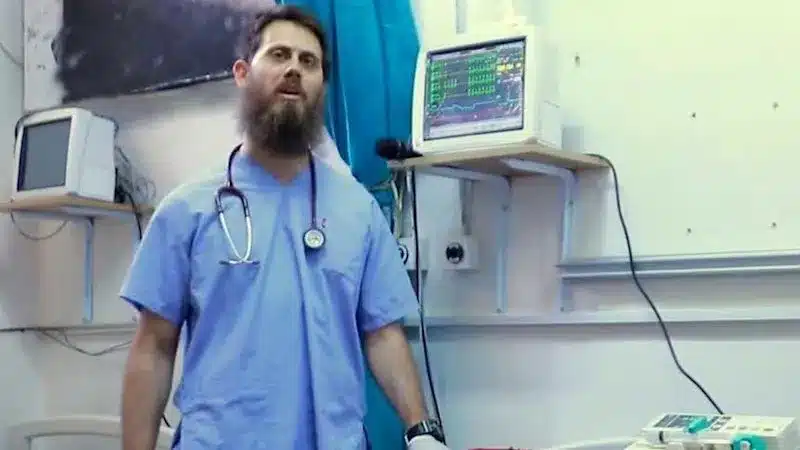
Another prominent figure is Tareq Kamleh, a pediatrician from Perth, formerly known as “Dr Jihad.” He was once believed to be dead but is now in Iraqi custody. Kamleh appeared in ISIS propaganda videos, expressing allegiance to the group.
Mohammed Ahmad, originally from Melbourne, is also among the detainees. His wife, Kawsar Abbas, and daughter, Zeinab Ahmad, were recently repatriated to Australia and face charges related to allegedly keeping a Yazidi teenager as a slave, which they deny. Ahmad’s wife’s uncle, Mohammed Ahmad, is one of the men facing trial in Iraq.
Other individuals include:
- Hamza Elbaf: From Sydney, he is the last of four brothers who went to Syria. His parents had attempted to prevent their departure. Elbaf stated he worked as a chef and did not fight for ISIS.
- Mohammad Noor Masri: A former Sydney tradesman who claims he was misled about going to Syria and worked in a hospital. His wife, Shayma Assad, returned to Australia in 2022.
- Mahir Absar Alam: From South Australia, he stated he worked as a nurse in Syria, not as a fighter.
- Jamil Ahmed Shqeir: Accused by Kurdish authorities of training foreign fighters, he claims he was drawn to Syria by a religious community in Melbourne.
- Deniz Hasan: A former private schoolboy from Melbourne, he admitted to being an ISIS fighter and undergoing military training.
- Nabil Kadmiry: A dual Moroccan-Australian citizen who attended an ISIS-affiliated prayer room in Melbourne before becoming an ISIS fighter.
- Ahmad Assaad: Originally from Sydney, he described his decision to take his family to Syria as a “big mistake.”
- Majeed Raad: Alleged to have participated in Australia’s largest terror plot in 2004, he joined ISIS in 2013 and was captured near the final ISIS stronghold.
One individual, Yusuf Mohammad Yusuf, born in Melbourne, was reported by Kurdish authorities to have died in Syria and was not transferred to Iraq.
Legal Framework and Potential Outcomes
The Iraqi Counter-Terrorism Law is broad, encompassing a wide range of activities related to terrorism. This legal framework allows for severe penalties, including death, for those deemed to have been involved with ISIS. The prosecution of these foreign nationals highlights the complex challenges faced by countries in dealing with citizens who joined or supported designated terrorist organizations abroad. The outcome for the thirteen Australians will depend on the evidence presented in Iraqi courts and the application of the country’s counter-terrorism legislation.
Conclusion
The situation of the thirteen Australians facing potential death sentences in Iraq underscores the severe legal consequences for individuals involved with ISIS. As Iraq proceeds with its trials, the focus remains on the legal processes within the country and the Australian government’s non-interventionist policy regarding the repatriation of its citizens involved in foreign conflicts.