A career change into bush regeneration has profoundly shifted an individual’s perspective, transforming feelings of disillusionment and anxiety into a renewed sense of purpose and connection to the environment. This transition, from a demanding role in health and community services to hands-on ecological restoration, has not only improved personal well-being but also fostered a more optimistic outlook on the world.
From Burnout to Bushland: A Career Shift
The author recounts a childhood filled with hopeful predictions for the future, envisioning a world of peace, advanced technology, and environmental recovery by the year 2026. However, the realities of climate change, social inequality, and ongoing conflicts tempered these youthful ideals. This sense of powerlessness persisted into adulthood, leading to a nearly two-decade career in health and community services. While this work offered valuable experiences and encounters with remarkable individuals, it ultimately led to emotional exhaustion and a perceived depletion of empathy, leaving the author feeling like a “sad husk” and stuck in a “dead patch” of their career.
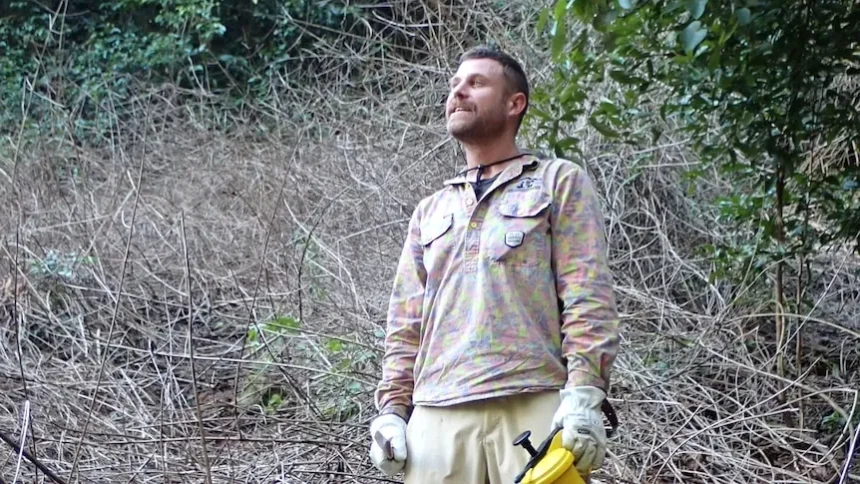
Seeking a change, the author took a position with a local bush regeneration business, initially drawn by the prospect of physical activity and the opportunity to work outdoors. The work involved tackling invasive species such as bitou bush, camphor laurel, lantana, tropical soda apple, and cat’s claw vine. The initial days were physically grueling, marked by intense heat and the daunting scale of the task, prompting concerns about personal health.
The Rewarding Nature of Ecological Restoration
Despite the physical challenges, the author found unexpected satisfaction in the demanding nature of bush regeneration. The work provided a tangible sense of accomplishment, with the physical exhaustion at the end of each day being a welcome contrast to the emotional drain of previous roles. Working outdoors, often under a forest canopy, offered a more comfortable environment than anticipated. The job also fostered intellectual engagement, involving detailed identification of native and invasive plants and discussions with colleagues about specialized interests, such as fungi supplied to research labs.
Crucially, the process of removing invasive species and nurturing native growth began to counteract the author’s deep-seated disillusionment. This hands-on work with the land provided a powerful antidote to feelings of helplessness, offering a direct way to contribute to environmental recovery. The author noted a surprising enjoyment in collaborating with a diverse range of colleagues, including straight male co-workers, broadening social horizons beyond previous preferences.
Reconnecting with Community and Environment
The positive impact of this career pivot extended beyond the professional sphere. The author’s perspective on familiar surroundings shifted, developing a deeper appreciation for the local landscape. This newfound connection also inspired a re-engagement with community activities. Previously hesitant due to a lack of confidence, the author joined a volunteer committee organizing events for the LGBTQIA+ community, rediscovering a passion for contributing to social inclusion.
This psychological transformation highlights a fundamental connection between personal well-being and the health of the environment. The act of healing the land mirrored a healing process within the individual, fostering a sense of hope and agency. The author reflects on the profound psychological shift, recognizing that the well-being of the land and personal well-being are intrinsically linked.
Looking Ahead: Valuing the Present and Future Contributions
While acknowledging the physically demanding and potentially risky nature of bush regeneration, including the use of herbicides, the author expresses deep gratitude for the experience. The work is seen as a valuable phase, offering a way to actively combat negativity and environmental degradation. The author intends to cherish this period and hopes to return to such work if feelings of discouragement arise in the future.
This journey underscores the restorative power of meaningful work that aligns with personal values and contributes positively to the environment and community. It demonstrates how a significant career pivot, grounded in tangible action and connection with nature, can lead to profound personal growth and a more optimistic outlook on the world.