It has been 25 years since the release of the landmark JRPG, Final Fantasy 10, a milestone that prompts reflection on the enduring quality of its narrative, gameplay, and particularly its iconic soundtrack. The game, available in an HD remaster for PC, continues to be celebrated for its compelling story, engaging turn-based combat, and memorable cutscenes, elements that have aged remarkably well over two and a half decades. However, it is the game’s musical score that stands out as a particularly timeless achievement, showcasing an impressive fusion of diverse genres.
The Enduring Power of Final Fantasy 10’s Soundtrack
The soundtrack for Final Fantasy 10 is a masterclass in musical composition, seamlessly blending various styles to enhance the player’s experience. From the high-energy rock anthem “Otherworld,” which accompanies the introduction of the spirited Blitzball star Tidus, to the serene and ethereal “Besaid,” the music sets a distinct tone for each moment. The game’s main theme, “To Zanarkand,” perfectly encapsulates the melancholic and poignant narrative, serving as a musical embodiment of the story’s emotional depth.
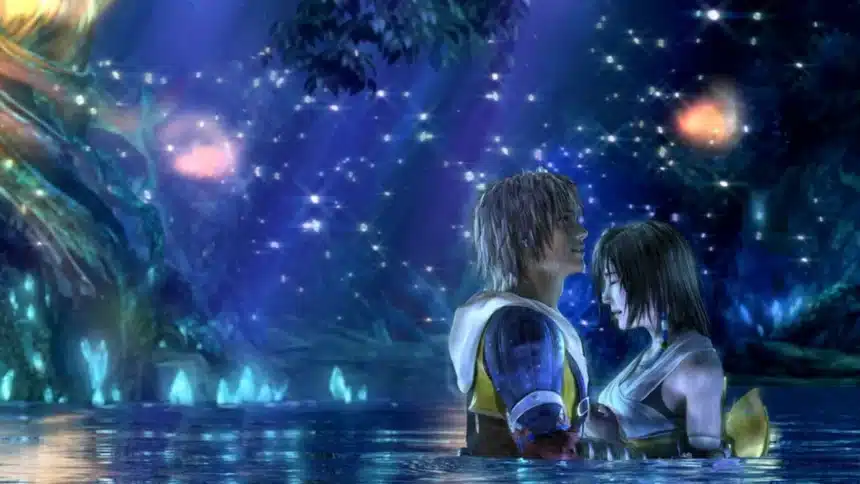
While the entire soundtrack is highly regarded, one song in particular, “Suteki Da Ne,” has resonated with players for years. This track plays during a pivotal scene in the game, a moment of profound emotional significance for the protagonist, Yuna. As a summoner destined for sacrifice, Yuna grapples with her fate, her personal desires clashing with her sense of duty. The scene unfolds in the breathtakingly beautiful Macalania Woods, a shimmering landscape bathed in blue hues. Here, Yuna and Tidus share a tender moment by the water, culminating in their first kiss underwater. This intimate display of romance is beautifully underscored by the delicate Japanese vocals and sweet orchestral arrangement of “Suteki Da Ne.”
“Suteki Da Ne” and its Place in the Final Fantasy Legacy
While Final Fantasy 10 was not the first game in the series to feature vocal elements, “Suteki Da Ne” marked a significant evolution. Earlier installments had incorporated vocal-like sounds, such as the pseudo-vocals in Final Fantasy VI’s opera scene and the dramatic flair of “One-Winged Angel” in Final Fantasy VII. Final Fantasy VIII’s “Eyes on Me” had previously explored a more pop-oriented vocal track. However, as the first title released on the PlayStation 2, Final Fantasy 10, and composer Nobuo Uematsu’s work on it, represented a substantial leap forward in musical production and emotional impact.
“Suteki Da Ne” is a testament to Uematsu’s genius, a song that has required little to no alteration since its initial release because of its inherent quality. For many players, it was the first vocal track in a Final Fantasy game that evoked such a powerful emotional response, bringing listeners to tears and forging a deep connection that few video game soundtracks had achieved before. The song masterfully balances beauty and tragedy, creating an experience that remains unparalleled within the series for many fans. While Final Fantasy XIV’s “Flow” is often cited as a close contender, “Suteki Da Ne” holds a special, often unmatched, place in the hearts of players.
A Lasting Impression
Twenty-five years on, the soundtrack of Final Fantasy 10 continues to be a source of enjoyment and emotional resonance. Players frequently revisit its music, finding new appreciation with each listen. “Suteki Da Ne,” though perhaps not the most frequently played track for every individual, is widely considered one of the most exquisitely composed pieces in the game’s rich collection. It stands as a shining example of musical excellence, a “diamond in a huge stinkin’ pile of gold,” as one observer put it, capable of still bringing a tear to the eye upon reflection.
The game’s enduring appeal is a testament to its comprehensive quality, from its narrative depth and character development to its innovative gameplay mechanics and, most significantly, its unforgettable musical score. The emotional journey provided by Final Fantasy 10, amplified by its soundtrack, ensures its legacy as a high point in the JRPG genre.