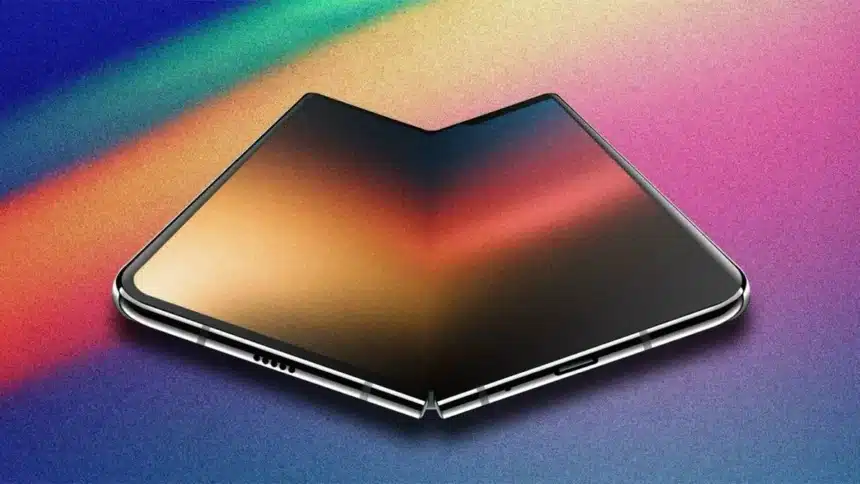
New indications suggest Apple is preparing to launch a foldable iPhone, potentially as early as 2026. Recent updates to native iOS applications are now incorporating landscape mode support, a move that aligns with the design requirements for larger, foldable displays.
App Updates Signal Foldable Device Development
A significant number of Apple’s core applications, including Apple Music, Reminders, Weather, Home, Podcasts, Fitness, Health, Shortcuts, Find My, Voice Memos, and the Apple Watch app, have been updated to include robust landscape orientation options. This concerted effort by Apple’s development teams points towards a deliberate strategy to accommodate larger screen real estate.
These landscape layouts are not merely rotated versions of existing interfaces. Many applications now feature left-aligned sidebars, enhancing usability and navigation on larger screens when the device is unfolded. This suggests a thoughtful approach to user experience on a foldable form factor.
Developers Encouraged to Design for Dynamic Screens
Beyond app updates, Apple is actively communicating with developers, urging them to design applications for widescreen aspect ratios. This guidance is a direct signal that the company anticipates a shift in device form factors requiring greater screen flexibility.
During a recent presentation at WWDC 2026, Cindy Barrett, an Apple representative, specifically advised developers to “design for a dynamic range of sizes and aspect ratios.” This instruction, coupled with under-the-hood enhancements in iOS 17, underscores the need for more adaptable iPhone applications.
Potential Launch and Naming
While Apple has not officially confirmed a foldable iPhone, the consistent stream of hints strongly suggests an impending launch. Industry speculation points towards a release around September, potentially coinciding with the iPhone 18 Pro.
Furthermore, industry insiders are suggesting the device may adopt the “iPhone Ultra” moniker, a naming convention Apple has previously utilized for its premium product lines. This potential naming strategy aligns with the company’s established branding for high-end devices.