To mitigate potential travel chaos during the peak summer holiday season, France has increased the number of its border guards stationed at key checkpoints within the United Kingdom. This deployment aims to streamline the processing of travelers facing new post-Brexit immigration and security procedures when entering the European Union.
Enhanced French Presence at UK Border Points
The agreement for this augmented French staffing was reportedly reached between UK Transport Secretary Heidi Alexander and her French counterpart, Philippe Tabarot. The move is a proactive measure designed to prevent significant delays that could disrupt the journeys of millions of Britons and other travelers heading to EU destinations. Ministers have emphasized their commitment to facilitating smoother passage through these enhanced EU security checks.
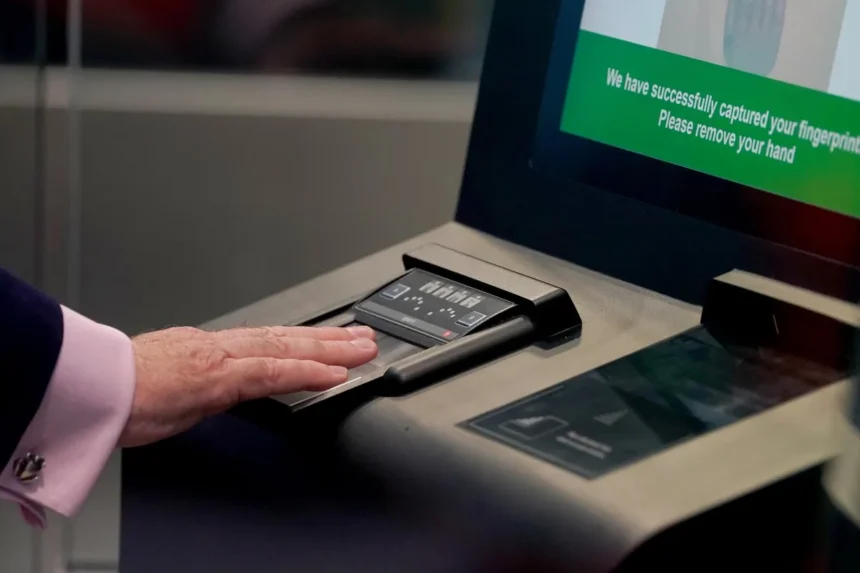
The necessity for this increased presence stems from the introduction of the EU’s new Entry/Exit System (EES). This system, implemented earlier this year, requires travelers from outside the EU (now including UK citizens as “third country” nationals post-Brexit) to undergo more rigorous checks. These include fingerprinting, facial scans, passport registration, and the submission of biometric data. Concerns have been raised that some border points are repeatedly collecting these initial scans, potentially exacerbating wait times.
In response to these anticipated challenges and fears of extensive queues, the UK government has been advocating for a more substantial French operational capacity at EU border control points located on British soil, such as the crucial Port of Dover. This push is intended to alleviate pressure until new passport booths and digital processing tablets can be fully integrated into the infrastructure.
UK Government Investment in Border Infrastructure
Beyond the deployment of additional French personnel, the UK government is investing significantly in upgrading its own border facilities. A total of £20 million in new funding has been allocated to increase the number of passport control booths. This follows an initial investment of £10.5 million previously earmarked for similar disruption-easing measures.
Transport Secretary Heidi Alexander stated, “Everyone deserves to enjoy their summer holiday without delays – which is why we are doing all we can to help travellers get through these new EU security checks as smoothly as possible.” She further elaborated on the government’s efforts, noting, “As well as the over £20 million we have given to increase booths for passport checks and minimise disruption, I have raised holidaymakers’ concerns directly with the EU commissioner for transport to make sure they are playing their part to reduce delays during the busiest travel period of the year. I will do everything in my power to help holidaymakers on their way.”
This collaborative approach underscores the shared goal of ensuring a less stressful travel experience during the busy summer months. The aim is to balance the implementation of new security protocols with the practical needs of a high volume of travelers.
Prioritizing Passenger Flow
The UK government has communicated its priorities to French officials, urging them to focus on expediting the movement of passengers during the peak holiday period. Home Office minister Alex Norris reportedly informed Members of Parliament that the government would strongly advocate for prioritizing passenger flow over the strict, time-consuming adherence to every aspect of the new checks, particularly during critical travel times.
A spokesperson for the Department of Transport confirmed the alignment between the UK and French authorities on this matter: “Heidi Alexander and her French counterpart agreed that high levels of resourcing at border points are essential to enable smoother journeys for passengers over the summer period.” This coordinated effort reflects a mutual understanding of the potential impact of the new EES system and a shared responsibility to manage its rollout effectively during a period of high demand.
Background: The Impact of Brexit on Travel
The introduction of these enhanced checks is a direct consequence of the UK’s departure from the European Union. As a “third country” national, UK passport holders are now subject to the same border control measures as citizens from other non-EU nations when entering the Schengen Area. The EES aims to create a more robust and digitized system for managing external borders, enhancing security and streamlining the process in the long term, though its initial implementation has presented transitional challenges.
The EES will eventually replace the manual stamping of passports for travelers from outside the Schengen Area. It is designed to record the entry and exit of non-EU nationals, monitor the length of their stays, and prevent illegal immigration. While the system promises greater efficiency once fully operational, the current phase involves a learning curve for both border officials and travelers, leading to the concerns about potential delays.
Looking Ahead: Future Border Management
The collaborative deployment of French border guards and the UK’s investment in infrastructure represent a concerted effort to address immediate concerns regarding summer travel. The long-term success of managing these new border procedures will depend on the continued cooperation between the UK and EU, the effective integration of technology, and the ability of border agencies to adapt to the evolving security landscape. The goal remains to ensure that international travel remains accessible and efficient, even with the implementation of more stringent security measures.
Travelers are advised to stay informed about the latest requirements and potential delays through official government and transport provider channels. Understanding the new EES procedures and preparing necessary documentation in advance can significantly contribute to a smoother travel experience.