A notable shift in career aspirations is emerging among Generation Z, with a significant portion of young adults choosing to forgo the traditional move to major cities for work. Instead, they are increasingly seeking opportunities within their hometowns or local regions. This trend appears to be reversing decades of a well-established pattern where ambitious individuals relocated to urban centers like London for career advancement, a phenomenon previously described as a ‘brain drain’.
Gen Z Prioritizes Local Opportunities
Research indicates that nearly half of individuals aged 14 to 29, identified as Gen Z, are planning to establish their careers in the areas where they grew up. This inclination to find work locally, rather than relocating further afield, marks a direct reversal of a long-standing trend. Several factors are believed to be contributing to this change in perspective.
Key Motivations for Staying Local
- Prohibitive Cost of Living: The escalating expense of renting and living in major metropolitan areas is a significant deterrent for many young people.
- Family Proximity: A substantial number, 44%, express a desire to remain close to their families, valuing these personal connections.
- Perceived Affordability: Over a quarter of Gen Z respondents (27%) believe that staying in their home region will be more financially manageable.
The Influence of Family on Career Choices
Beyond the decision to stay local, family ties also play a crucial role in shaping career paths for Gen Z. More than half of this demographic (52%) are considering following in the footsteps of a family member when selecting their profession. This familial influence is driven by several perceived advantages:
- Familiarity with the Role: Thirty-three percent feel they have a better understanding of a job if a family member has experience in it.
- Financial Stability: Thirty-two percent cite financial security as a reason for considering family-aligned career paths.
- Clearer Entry Routes: Twenty-nine percent believe that following a family member’s career path offers a more defined and accessible route into the workforce.
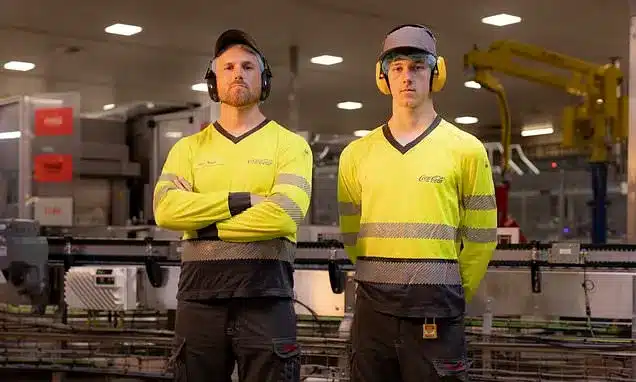
Lewis Baker, a 17-year-old apprentice at Coca-Cola’s Wakefield site, exemplifies this trend. He shared, “I grew up knowing my dad worked here so joining the team myself felt like I was really following in my family’s footsteps.” He further elaborated on the pride associated with his work, stating, “He’s been there for 25 years, and working alongside him has taught me so much – not just about the job, but about the pride people take in making something that’s part of everyday life for families and businesses.”
The Rise of Vocational Careers
This shift towards local employment and familial career influence coincides with a growing attractiveness of vocational careers. These hands-on, trade-focused roles are becoming increasingly appealing across all age groups, offering an alternative to traditional white-collar professions. The appeal for Gen Z includes:
- Practical Skills Development: Thirty percent are drawn to the ability to learn tangible, hands-on skills.
- Avoiding Higher Education Debt: Twenty-five percent see vocational paths as a way to bypass the financial burden of university education.
- Earning Potential and Security: A significant portion (24% each) believe these roles offer stronger earning potential and greater long-term job security.
- No Relocation Needed: Nearly half (48%) highlighted the benefit of not having to move away for training.
Generational Support for Vocational Paths
The trend towards vocational careers is not solely driven by Gen Z. Millennials (aged 30-45) also express a strong interest, with nearly half (47%) stating they would choose a vocational career if they could start over, a higher proportion than any other generation surveyed. Furthermore, older generations are actively encouraging this movement. Approximately 70% of millennials and older individuals reported advising younger family members and friends to consider vocational paths. A majority (65%) also believe that vocational roles are now viewed more favorably than in the past.
Observations from older respondents suggest a tangible increase in young people remaining in or returning to their local towns. This resurgence is perceived to have a positive ripple effect on local businesses (49%), communities (50%), and economies (50%).
A New Ambition for the Next Generation
Dusan Stojankic, an executive at Coca-Cola, commented on the findings, stating, “This research shows a clear shift in how younger people are thinking about work and ambition. Many are looking beyond the traditional path of moving to a major city, and instead choosing careers that offer practical skills, stability and a stronger connection to home.”
The data suggests a fundamental re-evaluation of career ambition among younger generations. The allure of big cities is diminishing, replaced by a desire for stability, connection, and practicality closer to home. This evolving perspective not only reshapes individual career trajectories but also holds the potential to revitalize local economies and communities by retaining talent within these regions.
Conclusion: A Localized Future for Careers
The findings from this research point towards a significant cultural and economic shift. Generation Z’s preference for local employment, coupled with the growing appeal of vocational training, challenges the long-held notion that career success necessitates relocation to major urban centers. As young workers increasingly prioritize proximity to family, affordability, and practical skill development, the ‘brain drain’ phenomenon may indeed be slowing, fostering a more localized and sustainable approach to career development and economic growth across the country.