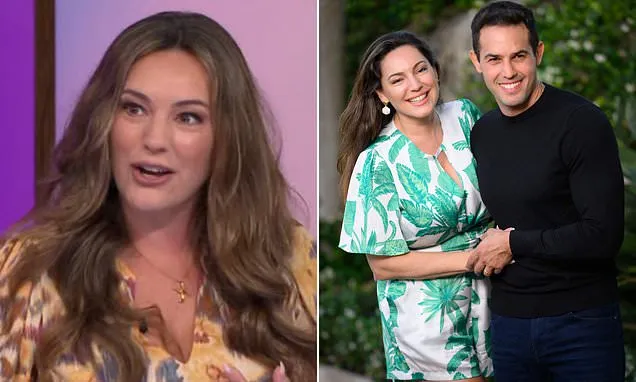
Kelly Brook, the television presenter and model, has spoken out about the intense social pressure and negative reactions she has faced for her decision not to have children. At 46, Brook shared on a recent television appearance that she has been subjected to trolling and made to feel like an “outcast” for choosing a child-free life. She criticized what she termed “mummy propaganda,” suggesting a societal bias that equates womanhood and fulfillment with motherhood.
The Stigma of Being Child-Free
Brook’s comments emerged during a discussion on the panel show “Loose Women” concerning the stigma faced by women who opt out of having children. The conversation was prompted by news of singer Lady Gaga reportedly welcoming her first child, a life-long dream she had expressed. Brook, who is married to French actor Jeremy Parisi, 41, articulated her frustration with the pervasive narrative that suggests something is inherently wrong with women who do not desire to start a family.
“I think it’s nice now we can talk so openly [about not wanting children] because 10 years ago when I talked about not having children that I used to feel like there was something wrong with me,” Brook stated. She recalled instances where other women made her feel inadequate for her choice, emphasizing that this decision does not stem from selfishness, a lack of maternal instinct, or a dislike for children. Instead, she posited that it reflects a lifestyle choice where individuals find happiness and fulfillment through other avenues.
Challenging Societal Expectations
The discussion touched upon comments made by Coleen Nolan, who recounted her sister Denise’s assertion that not wanting children is a sign of selfishness. Brook strongly refuted this notion. “There’s so much of that around, like ‘how do you know what real love is if you don’t have children? How can you be a real woman if you haven’t given birth?'” she remarked. Brook believes these kinds of statements contribute to making women feel “less than a woman” for not conforming to traditional expectations of motherhood.
She revealed the personal toll these societal pressures have taken. “I used to be so frightened talking about it. If I did talk about it, I was trolled and made to feel like an outcast,” Brook admitted. However, she also expressed optimism, noting that “more women are realising now there is more to life than children. You can have a marriage, career and do amazing things.”
Personal Fulfillment and Relationships
Brook elaborated on her personal journey, explaining that when she met her husband, Jeremy Parisi, she had already established a secure and fulfilling life. She owned her home, had a successful career, and was not seeking a partner to provide marriage, children, or financial security. “When I met my husband, I met him at a time where it was just love. I wasn’t expecting anything else,” she said, highlighting the purity of their connection.
Past Traumas and the Desire for Children
In previous discussions, Brook has alluded to past traumas that have significantly shaped her perspective on motherhood and her experiences with pregnancy. She tragically lost her baby at six months pregnant in 2011, while she was engaged to Scottish rugby player Thom Evans. She described this experience as “the most devastating thing” and one from which she feels she may never fully recover.
Reflecting on her twenties and thirties, Brook mentioned experiencing miscarriages and navigating difficult past relationships that took a considerable physical and emotional toll. These events, she stated, impacted her life, career, and self-perception, leading her to feel like a “failure.” The emotional aftermath also affected how she viewed her partners, based on their reactions to her experiences.
Ultimately, these cumulative difficult experiences resulted in her never having a “positive experience” with either pregnancies or the process of trying to conceive. This history, coupled with societal pressures, has contributed to her current stance on choosing a child-free life, a decision she now advocates for openly, despite the personal challenges and public scrutiny she has encountered.
Conclusion: Redefining Womanhood and Fulfillment
Kelly Brook’s candid remarks shed light on the ongoing societal debate surrounding women’s reproductive choices and the pressures they face. Her experience highlights the challenges faced by those who deviate from traditional life paths, particularly regarding motherhood. By sharing her story, Brook aims to challenge the notion that a woman’s worth or completeness is solely defined by her ability or desire to have children, advocating for a broader understanding of fulfillment and womanhood that embraces diverse life choices.