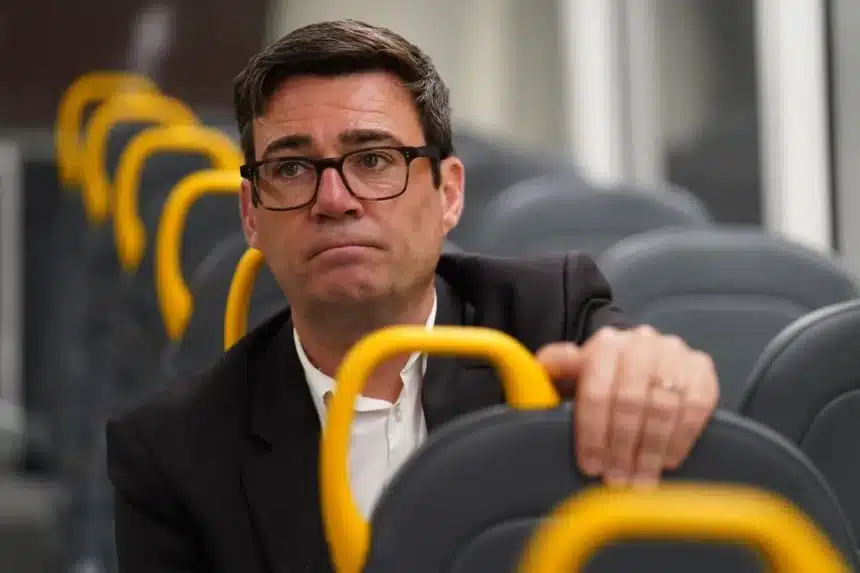
Greater Manchester Mayor Andy Burnham has announced a new £2 bus fare cap for single journeys across the region, set to take effect from January. This initiative aims to make public transport more affordable and accessible for millions of residents, providing much-needed relief amidst the ongoing cost of living crisis.
Affordable Public Transport for All
Mayor Burnham emphasized the critical role of accessible and affordable transport links, stating that no one should be excluded from essential travel due to cost. “Good, affordable transport links are essential. No one should be priced out of those and left behind,” he remarked. He expressed his belief that cheaper transport options are indeed viable, drawing on his previous success in implementing a similar fare cap. “I don’t accept that cheaper transport isn’t an option. I’ve done it before and I will do it again now: a £2 cap on bus fares for millions across the country,” he asserted. The mayor highlighted that lower fares would empower individuals to reach necessary destinations, offering financial breathing room during challenging economic times.
Government Funding and Financial Details
The implementation of this fare cap is supported by a substantial government funding package of £454 million. This funding is designed to enable devolved governments, such as Greater Manchester, to introduce similar measures. A significant portion, £400 million, will be reallocated from international climate finance, which will be converted into loans. The remaining funds will be drawn from savings within the Department for Energy Security and Net Zero budget.
The overall projected cost for the scheme is anticipated to exceed £500 million. The difference will be covered by existing funding already allocated to bus services by the Department for Transport. This approach ensures that the initiative does not impose an additional financial burden on British taxpayers, with funds being redirected to benefit citizens directly. “This action to ease the cost of living is funded by savings made elsewhere, so there’s no burden to British taxpayers, just pounds going back into their pockets,” Mayor Burnham explained.
Background and Previous Initiatives
A £2 bus fare cap was previously in effect nationwide between January 2023 and December 2024. However, the incoming Labour administration had indicated that sustaining this cap would not be financially feasible. Despite this, several metro mayors, including Andy Burnham, committed to funding an extension of the lower fare limit within their respective areas. This demonstrates a strong local commitment to prioritizing public transport affordability.
Impact on Daily Journeys
Transport Secretary Heidi Alexander welcomed the announcement, noting that the measure would simplify and reduce the cost of everyday travel for many. The £2 cap is expected to encourage greater use of public transport, potentially reducing traffic congestion and contributing to environmental goals. By making bus travel more economical, the policy aims to support individuals and families in managing their budgets more effectively.
Broader Implications for Public Transport
The introduction of a £2 bus fare cap in Greater Manchester is part of a wider effort to bolster public transportation networks. Affordable fares are seen as a key component in encouraging modal shift away from private vehicles. This can lead to numerous benefits, including reduced carbon emissions, improved air quality in urban centers, and decreased pressure on road infrastructure. The funding model, which relies on reallocated savings and existing budgets, sets a precedent for how such initiatives can be financed without increasing direct taxation.
Looking Ahead
The success of this £2 cap in Greater Manchester will likely be closely watched by other regions and national policymakers. If effective in increasing ridership and providing tangible cost-of-living relief, it could pave the way for similar measures across the country. The commitment from Mayor Burnham underscores a growing recognition of public transport’s vital role in social equity and economic well-being.
The policy is designed to ensure that essential travel remains within reach for all residents, fostering greater connectivity and opportunity within the region. As the cost of living continues to be a significant concern for many households, initiatives like the £2 bus fare cap are crucial in providing practical support and enhancing the quality of life for commuters and residents alike.