The UK government grapples with the economic fallout from the war in Iran, highlighted by stark warnings from the International Monetary Fund. Calls grow louder for faster increases in defense spending, voiced by figures like former NATO Secretary General Lord Robertson, who views the conflict as a clear signal for urgent action.
Economic Struggles Complicate Defense Priorities
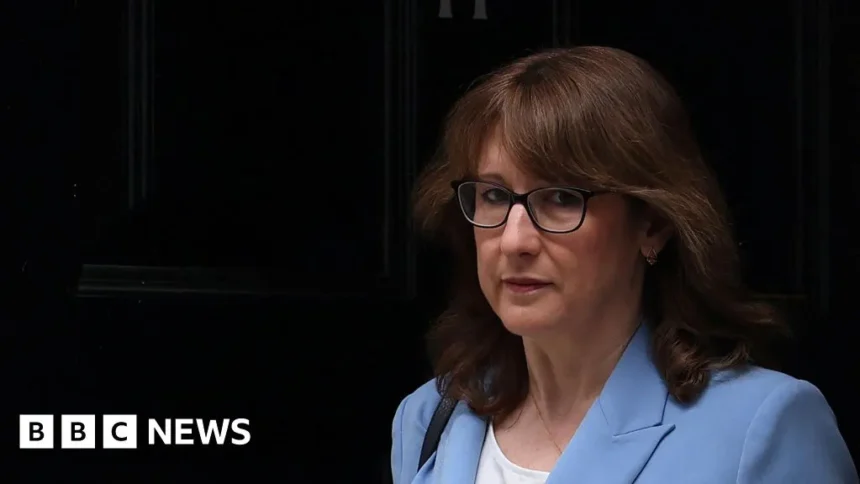
Boosting defense budgets proves challenging amid a prolonged economic slowdown. Rachel Reeves, the Chancellor, expresses frustration: “This is a war that we did not start. It was a war that we did not want. I feel very frustrated and angry that the US went into this war without a clear exit plan, without a clear idea of what they were trying to achieve.”
Senior ministers, including Prime Minister Sir Keir Starmer, recently hinted at recovery. At the start of the year, Starmer declared, “we are turning a corner,” citing improving economic indicators. However, escalating missile strikes and fighter jet operations have upended this optimism.
Vicious Cycles Intensify
A sluggish economy fuels voter discontent and complicates public spending decisions. Ongoing conflicts in Iran and Ukraine amplify pressures. Lord Robertson criticizes “non-military experts in the Treasury” for what he calls “vandalism,” while counter-accusations highlight past waste in the Ministry of Defence.
Robertson adds, the “cold reality of today’s dangerous world is that we can’t defend Britain with our ever-expanding welfare budget.” Last summer, Starmer faced resistance from his own party on curbing benefits growth. Government insiders suggest future attempts to reform the system, though political hurdles remain steep for Labour.
Delayed Plans and Looming Debates
The anticipated Defence Investment Plan, outlining funding for military needs, remains unpublished well past its autumn deadline. As fiscal and international pressures mount, its release stays uncertain.
Once unveiled, broader discussions will emerge on balancing a stronger defense stance with rising health and benefits costs. The tax burden nears a historic peak of 38% of national income by 2031. Policymakers and society face tough questions: What trade-offs arise, and when do they take effect? These issues promise to dominate coming years.