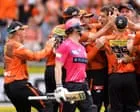
Cricket Australia struggles to secure agreement from key state associations on selling stakes in Big Bash League (BBL) franchises, casting uncertainty over the T20 competition’s future.
Lee Germon, chief executive of Cricket NSW, voiced strong opposition to the plan. He confirmed that the Sydney Thunder and Sydney Sixers will not participate in Cricket Australia’s valuation process for the clubs.
Later, Todd Greenberg, Cricket Australia chief executive, affirmed that discussions continue. “We are receiving responses from states to our proposal on private investment in BBL clubs and remain open to discussing any questions or concerns about this model,” he stated. “This process remains respectful and collaborative, with the best interests of Australian cricket as the key consideration for all involved.”
Proposal Mirrors UK Success, Faces Local Hurdles
The plan aims to emulate The Hundred in the UK by opening BBL franchises—currently managed by six state associations—to private investors. The English Cricket Board’s auction last year generated £520 million (about $1 billion), fueled by a global boom in franchise cricket inspired by the Indian Premier League.
BBL faces growing rivalry from emerging leagues in South Africa and the UAE, which vie for players and attention during Australia’s summer season.
Under the proposal, states could sell up to 49% of each franchise, with team valuations reaching $200 million. Proceeds would provide states with upfront cash and ongoing annual payments, while Cricket Australia plans a future fund from the investments.
State Leaders Highlight Risks and Alternatives
Germon emphasized concerns about introducing external capital into a thriving cricket system. “Our biggest fear is external investment entering a cricket ecosystem that works effectively now,” he said. “We see risks, which Cricket Australia also acknowledges. Bringing in investors could lead to misaligned goals on how the game operates.”
Terry Svenson, Cricket Queensland chief executive, noted no final decision after a board meeting. “Good discussion, but we seek further clarity from Cricket Australia this week on key points to finalize our stance,” he added.
Cricket NSW proposes an alternative that avoids selling stakes. It focuses on boosting BBL revenue through tickets, attendance, commercial sponsorships, and wagering partnerships. “It covers multiple areas—not just gambling,” Germon explained. “Some options prove more feasible or acceptable, but they offer a path to fund BBL growth without selling clubs.”
On expanding wagering ties, Germon acknowledged existing involvement. “Wagering ranks among several identified sources. We will evaluate and prioritize them carefully,” he told reporters.