A recent incident on a flight from Seoul to Zurich highlights the challenges of mid-journey leadership changes. When a pilot suffered a medical emergency, three doctors on board provided aid, and a co-pilot took control, ensuring a safe landing without injuries.
Political Debate Intensifies Over ‘Pilot Change’ Metaphor
British politics frequently invokes aviation metaphors, particularly warnings against switching leaders mid-term. Shadow Foreign Secretary David Lammy recently urged against altering the ‘pilot’ during critical moments, amid Labour’s struggles in local elections.
May election results reveal significant losses for Labour, including every contested seat in Hartlepool to Reform UK. Analysts now question the party’s direction under current leadership, sparking debates on potential changes before the King’s Speech on May 13.
Historical and Cultural Parallels
This rhetoric echoes past campaigns, such as Abraham Lincoln’s 1864 advice against swapping horses mid-stream and Franklin D. Roosevelt’s 1936 slogan, ‘Don’t change the pilot.’ Aviation experts note that autopilot and crew rotations occur routinely on long-haul flights, challenging the metaphor’s rigidity.
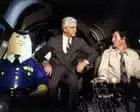
Labour’s challenges draw comparisons to disaster films like Zero Hour! (1957), where food poisoning incapacitates the crew, and Airport 1975 (1974), featuring a mid-air collision that blinds the captain. A MythBusters episode tested the trope of amateurs landing planes via radio guidance, proving it feasible in simulations.
Broader Challenges and External Views
Post-election analysis points to deeper issues, likened to a jet fuel shortage, suggesting limited reserves for recovery. Nigel Farage, outside Havering town hall, predicted leadership rumblings soon, stating, “I would suspect that the rumblings are going to start even before the King’s Speech on the 13th of May. [Keir Starmer] will be lucky to still be there by midsummer. But personally, I think he’s a great chap, and I really want him to stay.”
The Swiss flight diverted to Kazakhstan, east of its intended path, underscoring risks in course corrections. Observers across the spectrum express skepticism about available alternatives, amid calls for stability.