Cattle prices experienced a notable rebound at the recent Leongatha Prime Cattle Sale, with cows and bulls seeing increased values compared to the previous week. While trade cattle and bullocks maintained their price points, the upward trend in cow and bull prices signals a dynamic market influenced by both domestic supply and international trade factors.
Leongatha Cattle Sale Performance
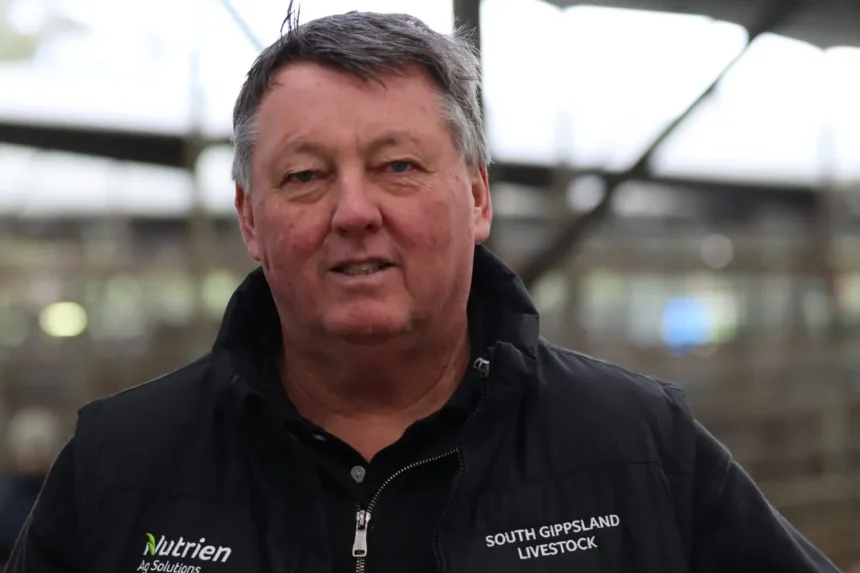
During the trade cattle section of the sale, auctioneer Terry Ginnane of Nutrien described the pricing as “fully firm,” indicating a consistent market over the past couple of months. He noted that while cow prices had eased slightly in preceding weeks, the correction was minimal, estimated at 10 to 20 cents per kilogram at the higher end. The recent sale’s performance suggested a potential recovery in cow prices.
Meat and Livestock Australia Market Reporter Brendan Fletcher confirmed this observation, reporting that cow prices improved by 10 to 15 cents per kilogram. This increase appears to have largely offset the earlier minor decline. Fletcher also noted that trade lots with good finish attracted firm demand, and bullock prices remained steady. Heavy bull prices saw a more significant increase, lifting by eight cents per kilogram.
Global Trade Dynamics and Export Markets
The international beef market, particularly China’s impact on Australian exports, remains a key consideration. China recently imposed a 55 percent tariff on Australian beef once export quotas were met. Mr. Ginnane acknowledged that this has presented challenges for exporters but expressed confidence in the resilience of the global market. He highlighted the continued strength of the American market, which is a significant destination for Australian beef.
Further complicating international trade, Brazil, a major beef exporter, is approaching its quota for beef shipments to China. This situation could potentially increase competition for Australian beef in other global markets. Reports from Mecardo, an analytics service by Nutrien Ag Solutions, suggest Brazil may have filled approximately 90 percent of its beef quota to China by the end of July. This development could indirectly benefit Australian exporters by reducing competition from Brazil in markets outside of China.
Simon Quilty of Global AgriTrends has consistently advised against excessive concern regarding China’s tariffs. He points to a global shortage of beef, which he believes will ensure continued demand and solid pricing from other international buyers, even with reduced access to the Chinese market. The overall tight supply of beef worldwide is a significant factor supporting prices.
Producer and Processor Perspectives
From a local perspective, maintaining prices at a level that is sustainable for both producers and processors is crucial. Mr. Ginnane suggested that current price levels would likely be satisfactory for producers. He also indicated that processors generally prefer not to see prices increase further, as excessively high costs could lead them to reduce slaughter days. This delicate balance is essential for the smooth functioning of the livestock supply chain.
Processors face a choice: either absorb higher cattle prices or scale back their operations. The current market conditions, characterized by constrained supply, are keeping prices elevated. However, recent rainfall across Australia offers a positive outlook for future supply. Mr. Ginnane anticipates that increased rainfall will lead to a greater flow of finished cattle entering the market in the spring, potentially influencing price dynamics later in the year.
Factors Influencing Future Prices
The interplay of global demand, export market access, domestic supply, and processor capacity will continue to shape cattle prices. While the immediate outlook for cows and bulls at the Leongatha sale is positive, the broader market remains subject to shifts in international trade policies and seasonal supply variations. The recent rainfall is a welcome development, promising a more robust supply of finished cattle in the coming months, which could moderate prices. Nevertheless, the underlying global demand for beef, coupled with tight supplies, suggests that prices are likely to remain strong.
The Leongatha Prime Cattle Sale serves as an important indicator of market sentiment and pricing trends. The recent performance, with gains in cow and bull prices, underscores the market’s ability to adapt to changing conditions and highlights the ongoing strength of demand for Australian beef in various international arenas.