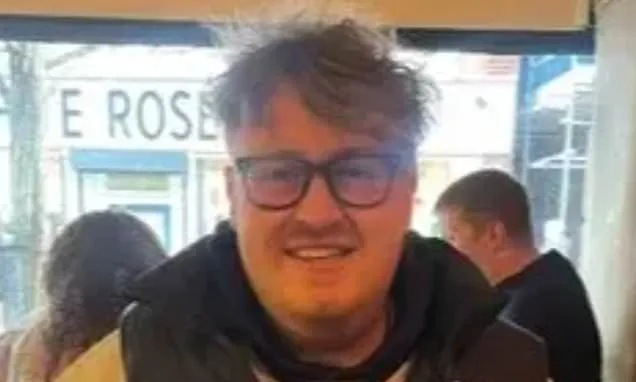
A tragic inquest has revealed how a 29-year-old man, Jack Burton, died after a severe and toxic reaction to his prescribed medication when he quit smoking. The incident occurred in October 2025 while Mr. Burton was on holiday with his family in Scarborough. His decision to stop smoking, a habit he had maintained for some time, inadvertently led to a dangerous increase in the concentration of his antipsychotic medication, clozapine, in his bloodstream.
The Critical Role of Smoking in Clozapine Dosage
Mr. Burton had been diagnosed with paranoid schizophrenia and was under the care of a community psychiatrist who prescribed him clozapine. Clozapine is an antipsychotic medication used to treat schizophrenia, and its effectiveness can be significantly influenced by lifestyle factors, including smoking. Evidence presented at the inquest indicated that Mr. Burton’s regular smoking habit had the effect of reducing the potency of clozapine in his system. Consequently, he was prescribed a higher daily dosage of 525mg to achieve the intended therapeutic effect.
This dosage, while appropriate for a smoker like Mr. Burton, carried inherent risks. According to medical understanding, the prescribed dose of 525mg of clozapine was considered potentially dangerous for an individual who did not smoke, carrying an increased risk of seizures. This highlights a complex interaction between the medication and Mr. Burton’s smoking habits, where one directly impacted the required level of the other.
Holiday Decision Leads to Fatal Consequences
The fatal turn of events began when Mr. Burton decided to quit smoking during his family holiday. This decision, made with the intention of improving his health, had unforeseen and devastating consequences. Without the moderating effect of smoking on clozapine levels, the higher dosage he was taking became toxic. Tragically, three days after ceasing his smoking habit, Mr. Burton died as a result of this toxic reaction.
Inquest Findings and Concerns Raised
Deborah Lakin, the coroner for Worcestershire, presided over the inquest into Mr. Burton’s death. She concluded that it was highly probable that Mr. Burton’s choice to stop smoking directly resulted in a fatal increase in his clozapine blood levels. The coroner emphasized a critical oversight: had Mr. Burton planned to quit smoking, he should have informed his psychiatrist. This would have allowed for a necessary adjustment to his clozapine dosage, reducing it to a safer level for a non-smoker.
Ms. Lakin expressed significant concern regarding the potential for similar deaths occurring in the future. She highlighted a lack of clear guidance for medical practitioners on managing medication dosages when patients alter their smoking habits, particularly concerning the distinction between reducing smoking versus complete cessation. The inquest revealed inconsistencies in the accounts provided by two consultant psychiatrists regarding the precise impact of reduced smoking versus quitting entirely, underscoring the absence of standardized protocols on this specific issue.
Lack of Standardized Guidance and Recording Practices
Further complicating the matter, the inquest uncovered a notable gap in professional practice. There appeared to be no standardized guidance or established practice for practitioners when discussing potential medication side effects with patients, nor for recording the information exchanged. This lack of a clear framework means that if a patient provides no information about symptoms or changes in habits, practitioners may not record that questions were even asked, creating an unclear record of patient interaction and potential risk factors.
The coroner noted that practitioners can make no record if no information is provided by the patient, which does not definitively indicate whether questions about medication and lifestyle changes were posed. This ambiguity surrounding communication and documentation processes leaves a concerning loophole where crucial patient information might be missed, potentially impacting the safe management of their treatment.
Preventing Future Deaths: A Call for Improved Protocols
In her report on the prevention of future deaths, Ms. Lakin stressed the urgent need for improved communication and updated protocols within the medical community. The case of Jack Burton serves as a stark reminder of the intricate relationship between medication, lifestyle, and patient safety. The findings point towards a critical need for healthcare providers to proactively inquire about and meticulously record changes in patients’ smoking habits, especially when they are taking medications like clozapine, where such changes can have life-threatening implications.
The inquest’s conclusion underscores the importance of informed medical oversight when significant lifestyle changes, such as quitting smoking, are undertaken by individuals on specific medications. Without clear guidelines and consistent practices for managing these interactions, the risk of tragic outcomes remains.