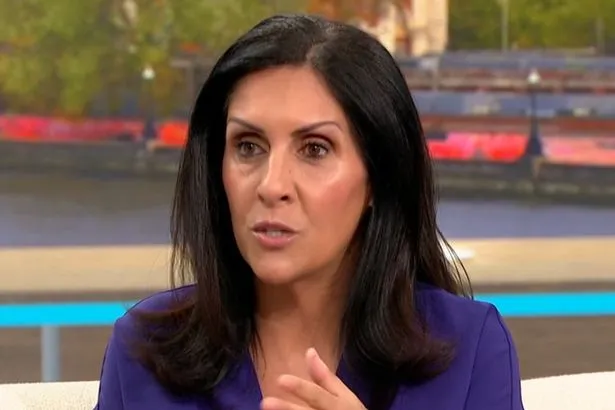
BBC News presenter Maryam Moshiri has publicly shared details of her recent diagnosis with a rare blood cancer, polycythemia vera (PV). Speaking in a live interview on Good Morning Britain, Moshiri, a familiar face on BBC News since joining in 2003, described her experience with the incurable but manageable condition, which was diagnosed in November 2024.
Understanding Polycythemia Vera
Polycythemia vera is a condition affecting the bone marrow, where the body produces an excessive number of red blood cells. According to Cancer Research UK, this overproduction can lead to thickened blood, significantly increasing the risk of dangerous blood clots. While PV cannot be cured, medical advancements allow for effective management and treatment to mitigate its effects.
Symptoms and Initial Concerns
Moshiri, who was 46 or 47 at the time of her diagnosis, recounted experiencing symptoms like headaches and fatigue. She initially struggled to pinpoint the cause, considering factors such as perimenopause or the demands of raising three young children. “I didn’t know whether I was a bit tired because I was peri-menopausal or if I was a bit tired because I had three children under the age of 10,” she explained.
A specific symptom that stood out was ocular migraines, which she later learned is associated with PV. “I did suffer from ocular migraines. I remember that specific symptom, which I know is a symptom of PV,” Moshiri stated.
Her regular six-monthly menopause check-ups led to a crucial discovery. Her general practitioner became concerned after two blood tests, prompting an urgent referral to specialists. “Within about eight weeks, I was diagnosed,” she reported.
The Impact of Thickened Blood
Moshiri elaborated on how the condition affects the blood’s consistency, describing it as “thick like honey.” This viscosity contributes to symptoms like headaches and fatigue. More critically, she emphasized the heightened risk of severe health events. “But also, more importantly, you’re more prone to having heart attacks or strokes,” she warned. “It’s really important that you manage the disease to avoid thrombotic events.”
Journalism and Resilience
Despite her diagnosis, Moshiri continued her demanding career as a broadcast journalist, undertaking significant assignments. She recalled working in challenging locations and covering major global events, including reporting on the Iran war from Doha, the Papal Conclave at the Vatican, and an extensive 18-hour day in Greenland. “I think we know as journalists that we work hard, we do shifts, we wake up early, we do night, and there’s that sense that’s been instilled in me over the last 25 years as a broadcaster, ‘just get on with it’,” she said.
Her dedication to her dream job as a TV news presenter fueled her determination. “This is my dream job to be a TV news presenter, and I now have that job, so I’m not going to say, if someone calls me and says, ‘We want to send you to Doha tomorrow, can you do it?’ I’m just not going to say no, I’m going to say yes and work it out when I get there. That’s how I lived,” Moshiri explained.
Living with PV and Hope
Moshiri acknowledged that living with polycythemia vera can involve severe symptoms. She shared a particularly difficult experience: “I had headaches, I had itching so bad that I was bleeding through to my clothes at work.” However, she stressed that managing the condition allows individuals to continue living full lives. “But you can get through it. You can carry on with your life; there is hope,” she concluded, offering a message of resilience to others facing similar health challenges.
For those seeking more information and support regarding blood cancers, resources are available through organizations like Blood Cancer UK.