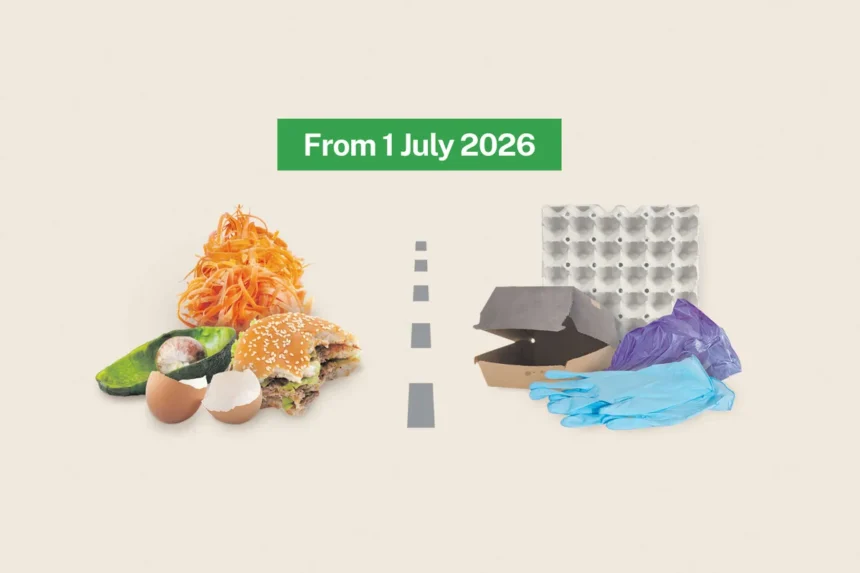
Shellharbour City Council is actively informing local businesses about significant new food waste management regulations mandated by the NSW Government. These upcoming changes require eligible businesses to segregate food waste from their general refuse, a move designed to divert substantial amounts of material from landfills and unlock opportunities for resource recovery, such as composting.
Understanding the New Food Waste Separation Requirements
The core of the new legislation centers on the mandatory separation of food scraps by specific businesses. This initiative aims to tackle the considerable volume of organic material currently contributing to landfill capacity issues. By diverting food waste, the NSW Government and local councils like Shellharbour are focusing on a more sustainable approach to waste management, transforming what was once considered refuse into valuable resources.
The NSW Environment Protection Authority (NSW EPA) is overseeing the implementation of these regulations. The objective is to foster a circular economy where waste is minimized, and materials are reused or recycled effectively. Food waste, in particular, is a prime target for diversion due to its potential for composting and biogas production, offering a dual benefit of reducing landfill burden and creating useful end-products.
Shellharbour Council’s Support for Local Businesses
To facilitate a smooth transition for businesses within its jurisdiction, Shellharbour City Council has launched a dedicated resource hub on its Shellharbour Waste website. This online portal serves as a central point for information, detailing the specifics of the new requirements and providing direct links to comprehensive guidance issued by the NSW EPA. The council’s initiative underscores its commitment to supporting the local business community through this regulatory shift.
Mayor’s Perspective on Waste Reduction
Mayor Chris Homer emphasized the importance of these regulatory changes, highlighting their role in the broader community’s waste reduction efforts. “Food waste constitutes a significant portion of what ends up in our landfills, and its separation can genuinely make a substantial difference in our environmental impact,” Mayor Homer stated. He further elaborated on the council’s role, saying, “Our primary function is to assist local businesses and the wider community in comprehending these evolving requirements and to guide them toward the necessary information and resources.”
The Mayor’s comments reflect a strategic approach to waste management, recognizing that legislative changes, coupled with community and business engagement, are crucial for achieving tangible environmental outcomes. The council’s proactive stance aims to demystify the new rules and empower businesses to comply effectively.
Key Information Available on the Council Website
The dedicated webpage on the Shellharbour Waste website is designed to be a comprehensive guide for businesses. It clearly outlines:
- Eligibility Criteria: Which types of businesses are subject to the new food waste separation rules.
- Actionable Steps: What businesses need to do to comply with the separation mandate.
- Support and Resources: Where to find additional help, including direct links to NSW EPA documentation and contact information for council support.
Beyond the online resources, Shellharbour Council’s Waste team is actively engaging directly with local enterprises. This direct outreach aims to provide tailored information and practical advice, ensuring businesses are well-prepared to implement the necessary changes in their waste management practices. This hands-on approach is vital for addressing specific operational challenges and fostering a collaborative environment for compliance.
Broader Implications of Food Waste Diversion
The NSW Government’s push to mandate food waste separation is part of a larger strategy to enhance waste management infrastructure and environmental sustainability across the state. By diverting organic waste from landfills, the government aims to reduce greenhouse gas emissions, particularly methane, which is produced during the anaerobic decomposition of food in landfill environments. Furthermore, the recovered organic material can be processed into nutrient-rich compost, which can be used in agriculture, landscaping, and home gardening, thereby closing the loop in the food cycle.
This policy shift also encourages businesses to innovate in their operations, potentially leading to more efficient resource use and a reduced environmental footprint. For many businesses, understanding and implementing these changes may involve adjustments to waste collection schedules, staff training, and potentially investing in new waste bins or internal sorting systems. The council’s support aims to mitigate these challenges and highlight the long-term benefits of sustainable waste practices.
Conclusion: A Step Towards a Greener Future
The introduction of new food waste separation rules by the NSW Government, supported by Shellharbour City Council, marks a significant step forward in the region’s commitment to environmental stewardship. By requiring eligible businesses to separate food waste, the initiative seeks to dramatically reduce landfill contributions and transform organic waste into valuable resources. Businesses are encouraged to utilize the comprehensive resources provided by the council and the NSW EPA to understand their obligations and prepare for these important changes, contributing to a more sustainable future for the Shellharbour community and beyond.