A Routine Workshop Unveils a Dire Diagnosis
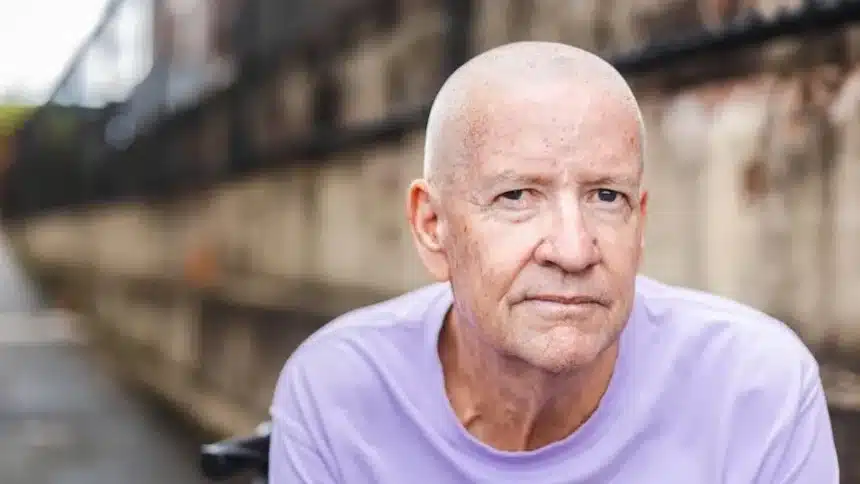
In October of last year, clinical worker John McNeur found himself delivering a health workshop in the remote Northern Territory. While educating Aboriginal health coaches at the community clinic in Timber Creek about chronic conditions, a chilling realization began to dawn. McNeur, a 68-year-old Darwin resident, was detailing the symptoms of pancreatic cancer—including back and abdominal pain, nausea, digestive issues, weight loss, and blood clots—when he felt an unsettling familiarity. “I had what I thought was an evidence-based belief around a reason for all of my symptoms,” he recounted. He had previously attributed his nausea and stomach pain to kidney stones and his back pain to a spinal fracture, consistently finding excuses to avoid confronting the possibility of a serious illness. “I just kept on giving myself excuses that I didn’t have it because I had far too much to do in the rest of my life,” McNeur stated.
A Stark Reality Check
Two weeks later, back in Darwin, McNeur developed jaundice, a yellowing of the skin and the whites of the eyes, which is a critical indicator of pancreatic cancer. This symptom prompted him to seek medical attention at a local hospital. Within days, doctors delivered the devastating news: he had stage four inoperable terminal pancreatic cancer and was given a prognosis of less than three months, with survival past Christmas appearing unlikely. At one point, following a round of chemotherapy, he was informed he had only 72 hours to live. “I was still in the denial stage at that point, so it was really confronting,” McNeur admitted. “But it served me reasonably well because it shocked me into action.”
Living with and Beyond Pancreatic Cancer
Since his diagnosis, McNeur, whom friends describe as a “delusional optimist,” has dedicated his remaining time to assisting others affected by the disease. He has coined the phrase “living with and beyond pancreatic cancer,” emphasizing the “beyond” as leaving a legacy of information to ease the path for others. “The phrase I formed was living with and beyond pancreatic cancer — and the beyond is leaving a bit of a legacy of information that might make someone else’s journey just a little bit easier,” he explained.
Understanding Pancreatic Cancer in Australia
Pancreatic cancer is a significant health concern in Australia. According to Pankind, a foundation focused on research, advocacy, awareness, and support for pancreatic cancer, approximately 4,825 Australians were diagnosed with the disease in 2025. While this places it as the eighth most common cancer nationally, its survival rates are considerably lower than more prevalent cancers like breast and prostate cancer. The chance of living for at least five years post-diagnosis is a mere 13 percent, and only three out of ten individuals survive one year after diagnosis, positioning it as Australia’s third leading cause of cancer-related death in 2024.
Rising Incidence and Risk Factors
Michelle Stewart, chief executive of Pankind, noted that pancreatic cancer was once considered rare. “It used to be thought of as a rare or less common cancer, but in the last couple of years it’s moved to being a common cancer,” she stated. Stewart attributes this shift to increasing rates of smoking, obesity, and an aging population, all known risk factors. “There is also a slight family history risk,” she added. “If you’ve had several family members diagnosed with pancreatic cancer, we recommend surveillance so we have a chance of catching it early.”
Northern Territory’s Higher Burden
Data from the Australian Institute of Health and Welfare indicates that the Northern Territory (NT) faces a disproportionately higher burden of pancreatic cancer. The NT records the highest rate of diagnosis in the country, with 18.6 cases per 100,000 people, exceeding the national average of 16.5 per 100,000. The Territory also experiences the highest mortality rate from the disease, with 17.4 deaths per 100,000 people, compared to the national average of 13.8 per 100,000.
McNeur’s Initiative for Support
Following his diagnosis, McNeur was struck by the limited support and resources available for individuals living with pancreatic cancer in the Northern Territory. This led him to conceive a plan to raise awareness and provide assistance. He recently participated in Pankind’s “Put Your Foot Down” fundraiser in Brisbane, walking 4.5 kilometers and raising $13,450 for research and support programs. He is also developing a concept he calls “the beginner’s guide to dying of pancreatic cancer in the Northern Territory,” recognizing the unique challenges faced in the region.
McNeur’s Essential Advice for Patients
John McNeur offers crucial advice for those facing a pancreatic cancer diagnosis:
- Get Tested: “Don’t fear asking your body a question you might not want the answer to.”
- Embrace the Process: “I was afraid to publicly admit to myself that I was dying; it took quite a while for me to put an advanced personal plan in place for me to talk about it with my kids.”
- Create an Advanced Personal Plan: “It’s how you get a chance to say, when I’m at the point where I can no longer make my own decisions—who looks after my money, my will, do I want to be resuscitated.”
- Have a Bucket List: “Even if it’s simple or weird. Mine is to catch a barra—I’ve still never landed one.”
- Prioritize Mental Health: “Pancreatic cancer is like a shit Jetstar flight—you know you’re going to get to the destination eventually, but you’re not quite sure what baggage will be there at the end.”
- Don’t Hesitate to Ask for Help: “Be prepared to ask people to do stuff—I’m fiercely independent, and it took me so long to take up what people had offered.”
- Be Assertive: “You will have a better journey if you ask for what you need.”
- Avoid Seeking a Timeline: “It’s pretty rare that any medical practitioner of any sort will tell you how long you’ve got to live—they don’t know. No one can shorten or lengthen up your life.”
- Advocate for Yourself: “It’s still your body. You still own it.”