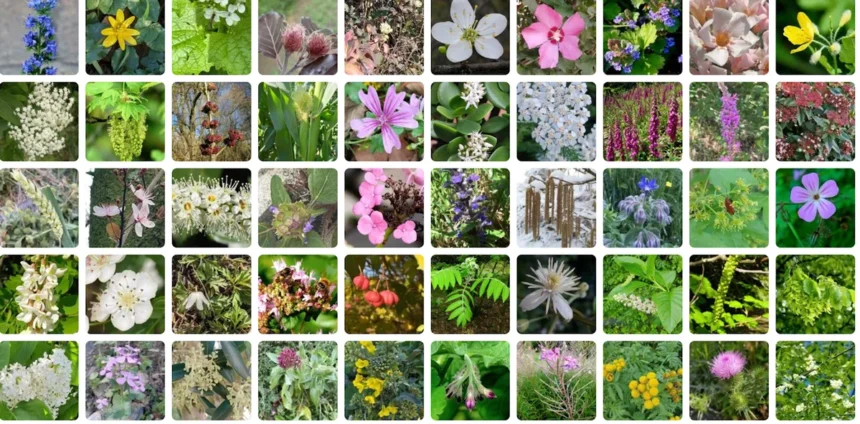
PlantNet, developed by a consortium of four French research organizations—CIRAD, Inria, INRAE, and IRD—along with the Agropolis Foundation, identifies over 80,000 plant species. The app attracts 100,000 to 700,000 new users daily and supports 54 languages. Users rely on it to spot weeds, track pollen maps, and explore new plant forms, functioning like a Shazam for vegetation.
User Demographics and Usage Patterns
Pierre Bonnet and computer scientist Alexis Joly, the app’s creators, note that 12% of users apply PlantNet professionally in research, land management, farming, or teaching. Most engage out of curiosity or personal interest. User data highlights global tech adoption trends: Asia features many young, connected individuals, though Chinese flora remains underrepresented due to market preferences for local platforms.
Tropical Biodiversity Challenges
Brazil ranks eighth with over 600,000 annual users, while Indonesia and India place in the top 20. Activity centers in Europe and North America due to earlier launches, media coverage, and initial focus on local floras. Tropical regions face hurdles like limited road access, poor 3G connectivity in forests, and complex photography of epiphytes high in canopies. PlantNet covers nearly 100% of European flora but only tens of percent in tropics. Partnerships in Costa Rica, Guyana, Brazil, Cameroon, Madagascar, and Malaysia expand coverage.
Popular Plants and User Interests
Common plants dominate queries, but attractive or useful ones draw more attention. Users favor eye-catching trees, fruits, and berries—often checking edibility—over discreet weeds like fescue (Festuca spp.) or bromes (Bromus spp.). Professionals leverage data for animal health (e.g., ToxiPlant for horse toxins), allergies, and pollen modeling with agencies like ATMO Occitanie.
Targeted Data Needs
Bonnet and Joly seek more photos of allergenic plants like male junipers during cone-opening stages, rare species such as Marsilea strigosa Willd. and Arenaria provincialis Chater & P. Halliday, and young weed shoots like Imperata cylindrica (L.) Raeusch. or Galium aparine L. Social media campaigns aim to boost contributions.
Photo Types and Identification Accuracy
Users capture flowers (most abundant in spring/summer), fruits, leaves, twigs, and bark. Combining images boosts success. Flowers yield best results, followed by fruits and leaves.
Handling Unmatched Photos
AI struggles with rare or novel species resembling known ones, hybrids, or ornamentals. PlantNet quantifies uncertainty with confidence intervals and suggests multiple matches. It covers 85,000 of 400,000 estimated species, integrating with World Flora Online since 2025 for taxonomic updates.
Professional Applications
Work users build distribution models addressing climate change impacts, invasive species detection (e.g., Carpobrotus edulis, Mirabilis jalapa), and farm pathogens. Collaborations include the French Biodiversity Office for monitoring cameras.
Surprising and Emerging Uses
A Dutch museum identified plants in paintings, while others scanned tattoos or patterns. Over 20,000 apps integrate PlantNet services. Future potential lies in 1.3 billion identifications for environmental characterization, new species detection, plant associations, and climate response analysis.
How Users Can Contribute
Profiles with geolocation enhance research value. Bonnet and Joly urge researchers worldwide to access shared data and services for advanced studies.