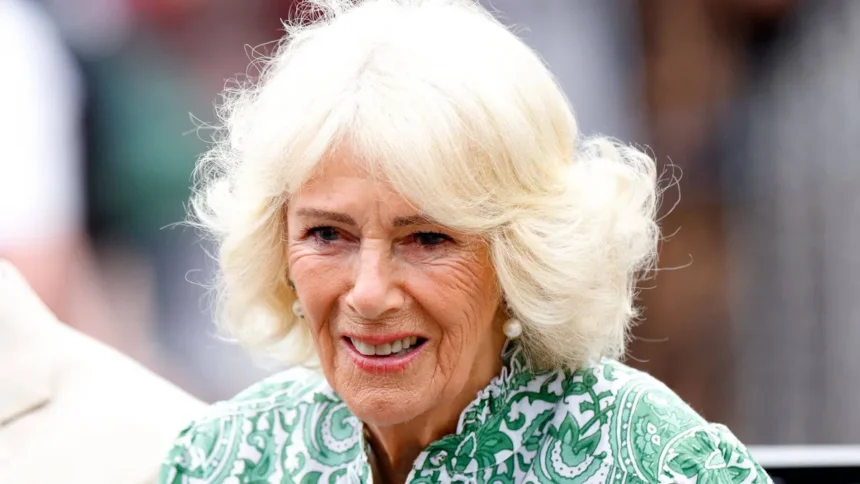
Queen Camilla is scheduled to undertake a solo public engagement next week, taking a brief departure from her summer holiday alongside King Charles. The Queen, 79, will attend the opening day of the Ebor Festival at York Racecourse on Wednesday, August 19. Her Majesty is the patron of York Racecourse and is expected to engage with various individuals recognized as “unsung heroes” at the venue. These include volunteers from St. John’s Ambulance, jockey Joe Fanning, and representatives from local charitable organizations. As part of the event, Queen Camilla will present the trophy for the feature race, the Juddmonte International Stakes.
King Charles’s Scottish Retreat
Meanwhile, King Charles, 77, is expected to continue his summer holiday in Scotland. The monarch has been residing at the Castle of Mey and is preparing to relocate to Balmoral Castle for the remainder of the summer period. Preparations for the King’s arrival at Balmoral are actively underway. The castle announced on Monday that its doors would be temporarily closed to the public, although the gift shop and cafe will maintain specific operating hours. The castle grounds are anticipated to reopen to visitors in early October, marking the beginning of the autumn season.
Balmoral Castle: A Royal Legacy
Balmoral Castle, situated within the Cairngorms National Park, has long served as a cherished residence for the royal family. It holds particular significance as the place where the late Queen Elizabeth II spent her final days. The estate was originally purchased by Prince Albert in 1852 as a gift for Queen Victoria. For generations, it has provided a private sanctuary for the royals to spend their summers in the Scottish Highlands.
The Royal Summer Holiday Schedule
Confirmation that King Charles had departed England and was en route to Balmoral was issued at the beginning of August. His journey included a visit to the Mey Highland Games, where he was observed participating in the festivities, including enjoying a traditional dram of whisky. He also visited Caithness, another area in the Scottish Highlands. Most recently, the King was seen in public in Dingwall, Scottish Highlands, last Friday, interacting with local residents while wearing a traditional kilt.
Each year, the King and Queen retreat to the expansive 50,000-acre Balmoral estate in Aberdeenshire. This period typically sees visits from other members of the royal family, such as the Prince and Princess of Wales and their three children. The King and Queen usually reside at Birkhall, an 18th-century home located on the Balmoral grounds. This arrangement allows the main castle to be utilized for larger family gatherings. Historically, the Prime Minister also makes a late-summer weekend visit to the monarch at Balmoral, suggesting that a new Prime Minister, such as Andy Burnham, might potentially stay at the estate for the first time in their new capacity.
Queen Camilla’s Patronage and Public Duties
Queen Camilla’s role as patron of York Racecourse underscores her commitment to various charitable and cultural institutions. Her attendance at the Ebor Festival highlights her dedication to supporting events that often have significant community and economic impact. By engaging with “unsung heroes,” she acknowledges the vital contributions of individuals and organizations often working behind the scenes. This solo engagement demonstrates her continued active participation in public life, even during periods of personal holiday.
The Significance of the Ebor Festival
The Ebor Festival is a prestigious event in the horse racing calendar, attracting significant attention from both sporting enthusiasts and the wider public. It features several high-profile races, including the Juddmonte International Stakes, for which Queen Camilla will present the trophy. The festival not only celebrates equestrian sport but also serves as a platform for charitable outreach and community engagement, aligning with the Queen’s known interests.
Balmoral as a Royal Haven
Balmoral Castle’s role extends beyond being a mere holiday residence; it is a place deeply intertwined with the history and personal lives of the British monarchy. Its closure to the public, while temporary, signifies the transition into a private period for the royal family. The estate’s vast grounds and historical significance offer a unique setting for relaxation, family time, and the continuation of royal traditions. The reopening in autumn signals the end of the private summer retreat and a return to more public-facing duties.