Plans to develop a cherished open space in Atherton into housing have sparked strong opposition from local residents and councillors. Authorities in Wigan are inviting developer interest for a residential project on a 7.7-acre plot near Lovers Lane in Howe Bridge, situated between Atherton and Leigh. Officials describe the site as a prime opportunity for growth.
The Lovers Lane location is currently under offer, indicating that a developer’s bid has been accepted, though the transaction remains pending finalization. Three Labour councillors from the area have issued a joint statement highlighting the site’s significant environmental and community importance. They note previous assessments revealing underground methane, a deep shale layer, and several shallow mine shafts. Council records classify the land as a public park and garden, prompting calls to designate it as an informal wildlife corridor or local nature reserve to safeguard biodiversity and maintain public access.
Local Councillors’ Concerns
The councillors emphasize that while brownfield sites should be repurposed where suitable, development must occur in appropriate areas. They reference extensive testing from four years ago that deemed the site unviable due to remediation needs. Over the past five years, residents have documented thriving wildlife and plant species, with one individual incorporating the area into ecological studies. The space serves as a vital informal park, used daily by people of all ages for walking, exercise, and dog walking via public rights of way.
Residents Rally Against the Sale
Nearby residents have formed a campaign group to block the sale and any potential building. Visits to the site reveal deep emotional ties to the land.
Jimmy Hunt, 60, relies on the Lovers Lane area for his daily recreation and mental well-being, a benefit shared by many in the community. He leads litter picks to maintain the site and has established an informal memorial to a 19th-century mining disaster that claimed dozens of lives at the former colliery. Rusted shovel heads discovered on the property adorn the memorial, linking to the site’s mining heritage. Hunt shares, “When you go through that gate and onto that land it makes everything instantly more peaceful. When I’m here I could be anywhere in the country. It’s so vibrant and teeming with wildlife and plant life. It’s the last place in Atherton like this. It would break my heart to lose it.”
Carole Williams, 65, who has resided on Valentines Road adjacent to the site for 28 years, recalls her family’s immediate use of the space upon moving in. She observes, “People drive here to enjoy the outdoor space. It’s a lovely avenue of trees and meeting the people out walking is all part of it. In the lockdowns, this was the main hub for most people around here to get out in some lovely green space.” Williams expresses frustration over the sale, citing the area’s mining history and rich wildlife, including deer, foxes, and diverse birds. She questions the logic of removing hundreds of trees.
Ethan Jordan, 22, a wildlife conservation graduate raised on Valentines Road, credits the site with inspiring his career. He conducted university fieldwork there, setting up traps and mats to study local species. Jordan laments, “It was the thing that got me into wildlife as I could look out of my window at it. It made me want to weep when I heard about the sale. There’s so much on this site, the birds range from wrens to nesting buzzards and kestrels. There are jays who had chicks last year and there are mice and hedgehogs on the ground. Recently I saw fox cubs.” He warns that ongoing regional development leaves little escape for displaced wildlife, advocating for conservation over destruction.
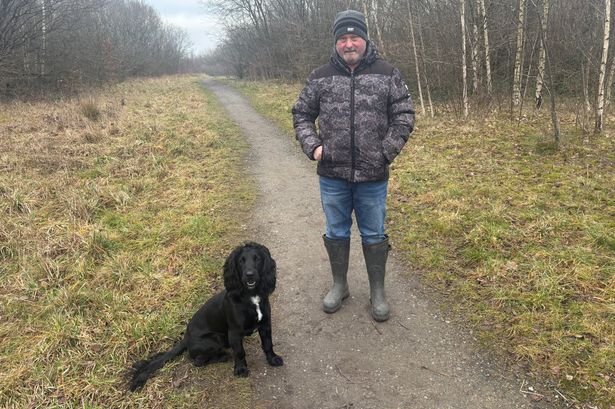
John Colderley, 64, visits the woods daily with his dog, Bru, and voices broader concerns: “They just seem to want more and more land for development. They never seem to be satisfied. It would be an awful shame to lose it.”
Council’s Justification for Development
Authorities maintain that the site qualifies as under-utilized brownfield land, previously developed. They argue that residential projects here will provide affordable housing, enhance transport connections, and bolster communities without encroaching on greenfield or green belt areas. Officials assert that recent investigations uncovered no safety risks to future residents. Commitments include wildlife-friendly designs, habitat enhancement, and tree planting to integrate with the natural surroundings. Engagement with developers and the community will ensure a balanced outcome through consultations.