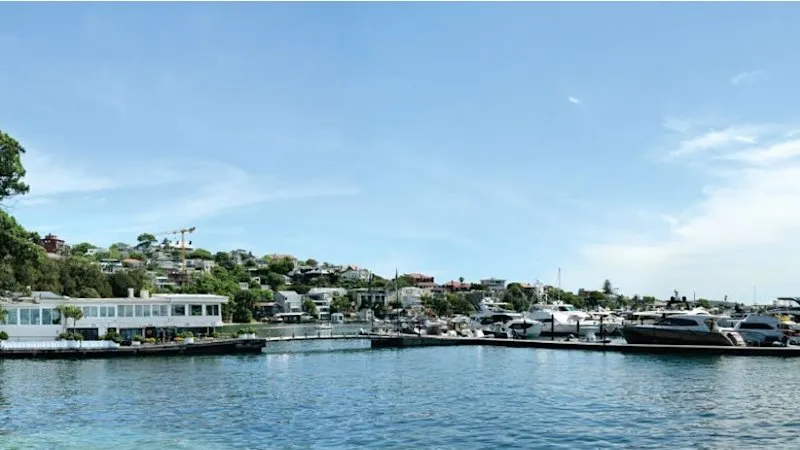
A proposed expansion of the Rose Bay Marina, which aimed to add 32 new berths for vessels up to 20 metres long, has been rejected by Woollahra Council’s planning panel. The decision, citing concerns over blocking harbour views and privatizing public space, has led the marina owner to vow a legal challenge.
Marina Expansion Proposal Details
The $2 million proposal put forward by Addenbrooke Marinas, which operates the Rose Bay Marina, sought to introduce a new marina arm featuring 32 fixed floating berths. The development plans indicated that this expansion was intended to address the growing demand for powerboat ownership and alleviate a noted shortage of available berths on Sydney Harbour. The plan also involved surrendering 55 existing commercial swing moorings in exchange for the new fixed berths. To mitigate concerns about obstructing views, the marina had proposed a 3.5-metre height limit on vessels using the new berths.
Planning Panel’s Decision and Reasoning
The Woollahra Council’s planning panel ultimately refused the expansion, deeming it an “overdevelopment” of the site. The panel’s ruling highlighted significant concerns about the project’s impact on the scenic character of Rose Bay. In its findings, the panel stated that the “visual dominance of fixed marina infrastructure would favour a smaller number of berth-holders over the broader community’s enjoyment of existing views.” Furthermore, the panel concluded that the proposal “fails to prioritise the public good and protection of Sydney Harbour as a public resource,” emphasizing the harbour’s status as a vital public asset.
Owner’s Reaction and Legal Challenge
Ned O’Neil, owner of the Rose Bay Marina, expressed disappointment with the planning panel’s decision. He confirmed that the ruling would be appealed in the Land and Environment Court, asserting that the proposal was believed to be in the public interest and compliant with all planning requirements. This legal battle is the latest chapter in a protracted, nearly two-decade-long effort by the marina to expand its facilities. Previous attempts at expansion faced similar rejections, with the Land and Environment Court denying proposals in 2009 and 2013, primarily due to concerns about their impact on the visual appeal of Rose Bay.
Community Response and Concerns
The proposed marina expansion generated considerable public interest, evidenced by over 400 submissions made during the public consultation period. The majority of these submissions, 328 in total, opposed the development, while 89 supported it. Residents voiced significant concerns during a recent public council meeting. Warren Kidson, a Rose Bay resident, described the existing views as already impaired by boats and yacht masts, and feared the marina extension would exacerbate these “existing eyesores.” Another resident, Patricia Armatti, raised apprehensions regarding potential pollution and the impact on seagrass and marine life within the harbour.
Broader Implications for Sydney Harbour
Local councillor Mary-Lou Jarvis echoed the sentiment that Sydney Harbour is the city’s “most valuable public asset” and should remain accessible to the wider community. She articulated a common concern that the harbour is increasingly being “privatised for private use,” emphasizing the need to protect public access and enjoyment. The marina, however, contended that its latest proposal sought to address issues raised in earlier applications and respond to the increasing demand for berths, particularly for powerboats in the 10-15 metre range. They also pointed to the NSW Government’s boat storage policy, which identifies Rose Bay as a suitable location for enhanced boating facilities.
Context of Marina Development in Sydney
The Rose Bay Marina situation is not isolated; Sydney has seen several contentious marina development proposals in recent years. For instance, an $8.5 million redevelopment of Woolwich Marina was also rejected by the Land and Environment Court in January, highlighting ongoing tensions between development interests and public access or environmental concerns. These cases underscore the complex balancing act involved in managing valuable public waterways like Sydney Harbour, where the desire for increased recreational access must be weighed against the preservation of scenic beauty and ecological health for the benefit of all.
Conclusion
The rejection of the Rose Bay Marina expansion and the subsequent legal challenge underscore the persistent debate surrounding the development of Sydney Harbour. While proponents argue for accommodating growing boating demands and improving facilities, opponents and planning authorities emphasize the critical need to protect public views, maintain ecological balance, and ensure equitable access to this iconic natural asset for the broader community. The outcome of the legal appeal will likely set a precedent for future marina development proposals in the region.