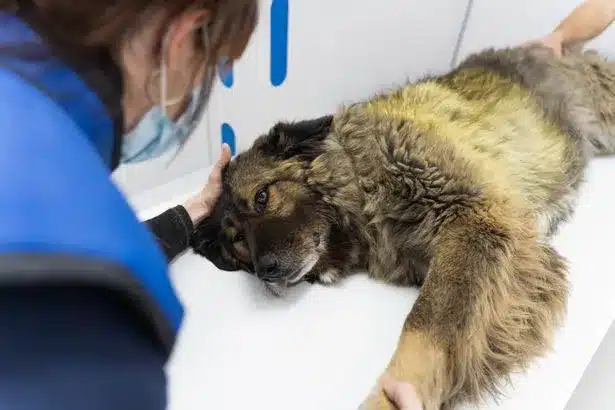
Dog owners are being alerted to the significant rise in enquiries related to paracetamol poisoning in their pets. Recent analysis of data from the Veterinary Poisons Information Service (VPIS) indicates a concerning upward trend in cases where dogs have been exposed to this common household medication. The study, which compared enquiries from 2023 and 2025, revealed a more than 40 per cent increase in incidents involving paracetamol, making it one of the most frequently reported substances causing concern.
Understanding the Risks of Paracetamol for Dogs
The figures show a substantial jump in recorded enquiries, with 776 instances involving dogs in 2025 compared to 554 in 2023. While these numbers represent suspected poisonings or exposures rather than confirmed cases, the increase highlights a critical issue for pet safety. Paracetamol, widely available and used by humans for pain and fever relief, can be highly toxic to dogs. Veterinary professionals strongly advise against administering human medications to pets without explicit veterinary recommendation.
How Paracetamol Affects Dogs
When ingested by dogs, paracetamol can lead to severe health complications. The Veterinary Poisons Information Service explains that the drug can cause significant damage to a dog’s red blood cells and liver. Early signs of paracetamol poisoning can be subtle but may include:
- Difficulty breathing
- General weakness
- Vomiting
- Swelling of the face
- Changes in gum colour, often appearing pale or bluish
The PDSA, a veterinary charity, emphasizes the importance of never giving pets human medication unless prescribed by a veterinarian. They also stress the need for immediate veterinary attention if an owner suspects their dog has ingested something harmful.
Broader Trends in Pet Poisoning
While the rise in paracetamol-related enquiries is significant, it was not the substance with the largest percentage increase during the study period. Other household items and foods also saw a notable rise in accidental exposures:
- Grapes and Grape Products: Enquiries surged by 71.2 per cent, from 650 to 1,113.
- Chocolate: Recorded a 68.4 per cent increase, with enquiries rising from 1,324 to 2,230.
- Allium Species (Onions and Garlic): Saw a 53.2 per cent increase in related enquiries.
- Pharmaceutical Vitamin D: This substance moved up the rankings, surpassing paracetamol, xylitol, and vitamin C in the number of enquiries.
Chocolate remained the most frequently reported substance overall in 2025, with 2,230 enquiries. Non-steroidal anti-inflammatory drugs (NSAIDs) followed with 1,664 enquiries, and anticoagulant rodenticides accounted for 1,498 instances.
Interpreting Poisoning Data
It is important to note that the number of enquiries does not solely reflect the inherent toxicity of a substance. Several factors can influence these figures, including the widespread availability of a product and how easily pets can access it. For instance, chocolate and common household medicines are readily found in many homes, increasing the potential for accidental ingestion.
Preventative Measures for Dog Owners
To safeguard their pets, dog owners are strongly advised to implement strict preventative measures:
- Secure Storage: Keep all medications, including paracetamol, vitamins, and other human drugs, in secure, inaccessible locations away from pets.
- Never Self-Medicate Pets: Do not administer any human medication to your dog without consulting a veterinarian. What is safe for humans can be extremely dangerous for animals.
- Awareness of Toxic Foods: Be mindful of common foods that are toxic to dogs, such as grapes, chocolate, onions, garlic, and artificial sweeteners like xylitol.
In the event of suspected paracetamol ingestion or exposure to any potentially harmful substance, owners should contact their veterinarian immediately. Prompt action is crucial, and it is generally advised not to induce vomiting unless specifically instructed to do so by a veterinary professional, as this can sometimes cause further complications.
Conclusion: Vigilance is Key
The increasing number of paracetamol-related incidents involving dogs underscores the need for heightened awareness among pet owners. By understanding the risks associated with common household items and medications, and by taking diligent preventative steps, owners can significantly reduce the likelihood of accidental poisoning and ensure their beloved companions remain healthy and safe.