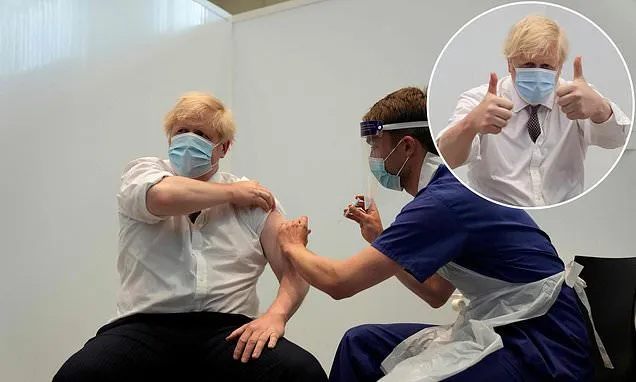
Britain demonstrates remarkable capability during crises, as highlighted by recent findings from the Covid Inquiry. Despite ongoing economic pressures and unemployment at 5.2 percent, the nation’s vaccine rollout stands out as a beacon of efficiency and unity.
Inquiry Findings on Vaccine Success
Baroness Heather Hallett and her team describe the COVID-19 vaccine rollout as an ‘extraordinary’ operation. This assessment underscores the rapid mobilization that vaccinated nearly 50 percent of UK adults by March 2021—far ahead of comparable nations.
Early Challenges and Breakthroughs
The virus emerged in Britain in January 2020, bringing high mortality rates, especially among the elderly, with no immediate cure available. Social restrictions proved necessary amid uncertainty. Promising developments arose from Oxford-AstraZeneca trials, showing efficacy in both animals and humans. Government investments supported these efforts early on.
By December 2020, viable vaccines emerged. The rollout benefited from ample supplies secured in advance, ensuring the NHS faced minimal shortages initially.
Key Contributors to the Rollout
The NHS played a central role, leveraging its unified structure and incentives for general practitioners to vaccinate patients efficiently. Scientists like Sarah Gilbert from Oxford, negotiators including Maddy McTernan, and Vaccine Taskforce leader Kate Bingham drove negotiations and strategy. Contributions spanned public and private sectors.
Regulatory and Procurement Advantages
Post-Brexit regulatory independence enabled faster approvals. The UK’s Medicines and Healthcare products Regulatory Agency authorized Pfizer 19 days before the EU and AstraZeneca 30 days earlier. This speed proved critical during peak virus transmission, when daily deaths exceeded 1,000.
Independent procurement allowed direct deals with manufacturers, bypassing multi-nation coordination. By vaccine availability, the UK secured larger, binding orders. The rollout launched weeks ahead of the EU bloc, where vaccination rates lagged at 10-12 percent by March 2021.
EU Comparisons and Incidents
These advantages facilitated ending all restrictions on July 19, 2021, enabling the fastest G7 economic rebound. Many EU countries maintained measures longer, with France lifting vaccine passports only in March 2022.
Tensions arose in February 2021 when the EU held five million AstraZeneca doses destined for the UK in a Dutch warehouse. Leaders like French President Emmanuel Macron had questioned the vaccine’s effectiveness, yet the move delayed supplies amid competitive pressures.
Lessons for Future Challenges
The rollout exemplifies effective collaboration between government, free-market innovators, and motivated teams. Sites buzzed with purpose, akin to the 2012 London Olympics volunteer spirit. This success affirms Britain’s potential for national achievements when agility and belief align, offering a model for addressing future demands like defense and economic recovery.