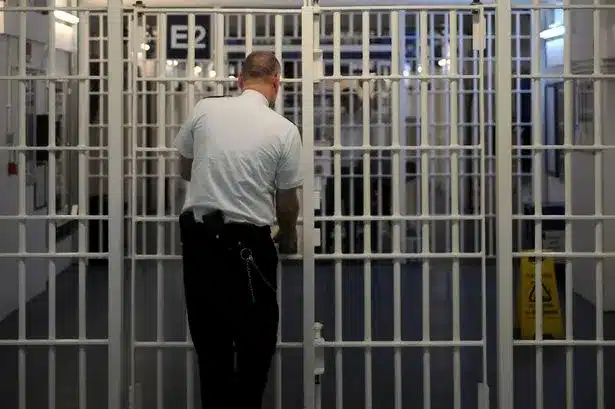
The United Kingdom is grappling with a severe prison capacity crisis that is increasingly jeopardizing public safety, according to concerns raised by the Victims’ Commissioner. While recent government adjustments to the early prison release scheme aim to prevent offenders convicted of serious crimes from benefiting, the broader implications for victims and the public remain a significant worry.
Escalating Public Safety Concerns
The debate surrounding exemptions to early release policies often overshadows the fundamental questions that matter most to victims: their personal safety and their trust in the justice system to protect them. Over recent months, a series of policy shifts, added exemptions, and reversed positions have amplified distress and anxiety among victims. This has led to a critical question emerging: is the escalating situation under control?
What began as a challenge of insufficient prison space has evolved into a pressing public safety issue. When individuals are released from prison with inadequate rehabilitation to reduce the likelihood of reoffending, the responsibility for managing potential risks falls heavily on already strained probation officers, overburdened police forces, and underfunded victim support services. This raises a crucial question for the public: do the agencies tasked with safeguarding citizens possess the necessary resources and capabilities to manage these risks effectively and safely?
Systemic Failures and Devastating Consequences
Recent tragic events have starkly illustrated the potential consequences of systemic failures. The horrific murder and rape of vulnerable women by serial sex offender Simon Levy highlighted the devastating outcomes that can occur when warning signs are missed, crucial information is not shared between agencies, and opportunities for intervention are lost. These catastrophic failures within systems designed to identify and mitigate risks allowed dangerous individuals to operate without adequate oversight, leading to unimaginable harm.
With early release measures and increased community supervision poised to place further demands on probation services, police, and the wider criminal justice system, there is a grave concern that such oversights will not remain isolated incidents. The complex challenges facing the government are acknowledged, particularly as the current prison capacity crisis is not of their immediate making. However, the responsibility for addressing and resolving the situation now rests with them.
Victims’ Rights and Government Responsibility
Victims’ Commissioner has emphasized that victims should not bear the brunt of consequences stemming from years of inaction, only to be further let down by inadequate planning, preparation, and communication. The government is urged to present a clear, actionable plan that not only addresses the need for increased prison capacity but also strengthens the probation, policing, and public protection systems. These systems are increasingly bearing the burden of managing risks when prisons are at full capacity. Ultimately, public safety is contingent upon the effectiveness of the systems responsible for managing risk and ensuring the safety of the populace.
The critical question now is whether the government can demonstrate the necessary leadership, coordination, and control to meet this challenge and ensure the safety of both victims and the general public. For many individuals who have been victims of crime, the most significant harm in recent months has been the pervasive uncertainty. Many have expressed shock, distress, and deep anxiety about their future, particularly with the prospect of offenders being released earlier than anticipated.
Improving Communication and Addressing Court Backlogs
Compounding these anxieties, numerous victims have experienced poor communication, receiving little clarity regarding the implications of early release changes on their safety and future. Too often, victims are left to piece together developments through media reports, informal briefings, and speculation, a situation that can no longer be sustained. Affected individuals require direct, timely, and trauma-informed communication from the Prime Minister, rather than relying on newspaper headlines to understand critical decisions.
While the prison capacity crisis rightly commands significant public attention, the equally critical issue of court backlogs receives far less. These two problems are intrinsically linked. Approximately one-fifth of the current prison population consists of defendants awaiting trial, a situation exacerbated by lengthy delays in court proceedings. Without a concerted effort to tackle the court backlog, the government will struggle to resolve the prison crisis, leaving victims facing years of waiting for justice.
A Call for Fundamental Justice System Reform
The Prime Minister’s commitment to a 10-year Plan for Britain must encompass fundamental reforms of the justice system. A continued cycle of crisis management, with victims bearing the cost, is unsustainable. Furthermore, achieving the goal of halving violence against women and girls necessitates placing victims at the forefront of policy and action. The path forward requires decisive leadership, strategic investment, and a comprehensive approach to ensure both the capacity of the prison system and the robustness of the broader public protection framework.