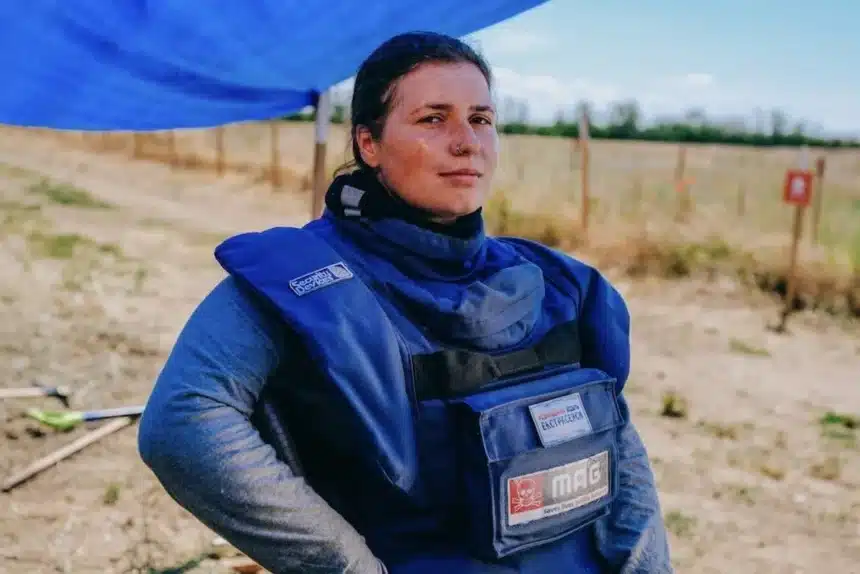
In Ukraine, the morning air often carries the ominous hum of Russian drones. For Antonina Kulhava, a humanitarian deminer, this sound is a stark reminder of the daily dangers she faces. After a quick check of local alerts to ensure her family and friends are safe, she heads to work in fields still scarred by conflict, fields that were once the breadbaskets of Ukraine. Her mission: to clear the land of explosive remnants left behind by the war, transforming hazardous zones back into safe spaces for civilians.
The Scale of Ukraine’s Mine Problem
Ukraine is grappling with one of the most severe landmine contamination issues globally. An estimated 20 to 25 percent of the country’s total surface area, a staggering expanse larger than England and Wales combined (over 139,000 square kilometers), is believed to be littered with potentially deadly weapons. This pervasive threat has devastating consequences for the civilian population, contributing to alarmingly high casualty rates. Children, in particular, are vulnerable to the indiscriminate danger posed by unexploded ordnance.
“It’s an interesting and challenging job,” Ms. Kulhava shared, reflecting on her unconventional career path. “It’s nothing like I’ve done before. It helps people in Ukraine because the more we clean our lands, the more people will come back to their homes, to their lands, and also just to make Ukraine safer.”
An Unconventional Path to Demining
At 32 years old, Ms. Kulhava’s journey into humanitarian demining is far from typical. Her previous careers included roles in finance and as a pastry chef. While awaiting a visa to relocate to the Czech Republic, she encountered an opportunity with the Mines Advisory Group (MAG). Initially hesitant due to the perceived danger, her research into the position convinced her to apply. She kept her new role a secret from her parents, fearing their worry and disapproval.
“I didn’t tell my family because I didn’t want them to worry about me,” she explained. When they eventually learned the truth, they were understandably shocked. “I think that somewhere deep in their souls they would like me to not to work in this area, to not to be involved, but what can we do?” she mused. “It is dangerous, of course. Everything depends on the threat because on different sites we have different threat [levels] but it can be really dangerous.”
The Demining Process and Diverse Methods
The meticulous process of clearing landmines begins with a thorough technical survey to assess the ground conditions. As a team leader, Ms. Kulhava guides her colleagues through each step, ensuring strict adherence to safety protocols, including the mandatory use of personal protective equipment.
Humanitarian demining employs several distinct methods:
- Manual Clearance: Deminers meticulously search fields on foot, identifying and marking explosive ordnance for safe detonation.
- Mechanical Clearance: Specialized machinery is utilized to clear larger areas and suspected hazardous sites.
- Canine Clearance: Specially trained dogs use their keen sense of smell to detect buried explosives.
The scope of ordnance cleared is extensive, encompassing a wide range of threats beyond just mines. These include grenades, rockets, missiles, aircraft bombs, cluster munitions, drones, and mortars. The presence of these varied explosive items underscores the complexity and danger inherent in the demining operations.
Breaking Barriers in a Male-Dominated Field
The field of humanitarian mine action is predominantly male. According to UN Women, women constitute only about 30 to 35 percent of the total workforce, with a smaller proportion, around 12 percent, directly engaged in operational fieldwork. Ms. Kulhava acknowledged the initial challenges she faced in this male-dominated environment.
“It was difficult for me because my inner thoughts were like, ‘All this explosive ordnance, mines, bombs, it’s male stuff’,” she admitted. “I thought they play computer games and are more used to this. While I was learning about it all for the first time, they already knew about this. I didn’t feel confident but with experience and practice I feel more confident.”
Finding Purpose and Reclaiming Land
Ms. Kulhava’s dedication and bravery have been recognized, including an invitation to the UK by the Imperial War Museum to record her experiences for an oral history archive, preserving her story for future generations. She finds deep satisfaction in her work, feeling a profound sense of purpose in making a tangible difference.
The ongoing Russian attacks continue to disrupt Ukrainian life, leading to power outages and leaving communities without essential services like heating and electricity during the winter months. This harsh reality has amplified Ms. Kulhava’s appreciation for life. “I’ve started to appreciate my life more because there are things that you think: ‘I can do it later, I can do it later’. But you realize that you need to live your life now.”
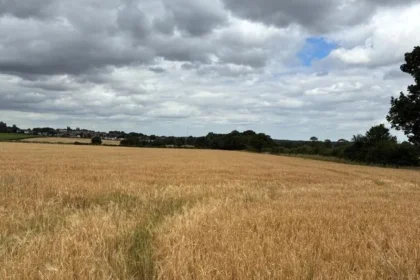
The impact of her team’s efforts is visible. “The fields where we previously worked are being cultivated by farmers, and there are fields of sunflowers where the mines were,” she stated, painting a powerful picture of recovery and resilience. The transformation of mine-laden fields into vibrant landscapes, symbolized by the blooming sunflowers, represents a hopeful future for Ukraine, reclaimed one cleared patch of earth at a time.