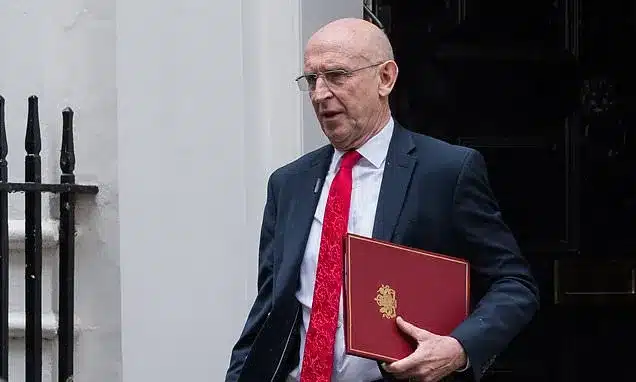
Venture Capital Trusts (VCTs) are urging Chancellor John Healey to reinstate a significant tax incentive, warning that a recent reduction could drastically curtail investment in innovative and rapidly expanding companies. The VCT industry, which currently supports 1,100 businesses with approximately £6.6 billion in funds, is a popular investment vehicle for affluent individuals due to its attractive upfront income tax relief.
The Tax Break Reduction and Its Impact
In a recent fiscal announcement, the government increased the maximum investment limit for VCTs to £200,000. However, this was accompanied by a reduction in the income tax relief available to investors, dropping from 30 per cent to 20 per cent. This change has been described as “completely bonkers” by industry observers and has led to concerns about its detrimental effect on the scale-up ecosystem.
In a formal letter addressed to Chancellor Healey, the VCTs’ trade body highlighted that this policy shift has eroded investor confidence. Consequently, they anticipate a potential reduction in fundraising activities and a subsequent restriction of capital available to the nation’s fastest-growing firms. Estimates suggest this could lead to a 20 to 40 per cent decrease in available funding.
Supporting Regional Growth and Job Creation
The VCT sector emphasizes its crucial role in channeling private capital into high-growth enterprises, which are vital for creating skilled employment opportunities outside of London and the South East. The trade body pointed out that VCTs are already instrumental in achieving the Prime Minister’s objectives for regional economic development. By investing in companies that have the potential to scale rapidly, VCTs contribute significantly to building a more distributed and robust national economy.
Founder Confidence and Business Outlook
The implications of the reduced tax break extend beyond investor sentiment, directly impacting the strategies of the companies VCTs support. Data compiled by the Venture Capital Trust Association reveals a concerning trend among founders of VCT-backed businesses:
- 62 per cent of founders now report plans to scale back their growth ambitions.
- 45 per cent are considering job cuts within their organizations.
- A quarter of these businesses are contemplating relocating their operations abroad.
These figures underscore the fragility of the scale-up environment and the significant role that supportive fiscal policies play in fostering domestic innovation and employment. The potential exodus of businesses and talent could have long-term repercussions for the UK’s competitive edge in key technological and industrial sectors.
Industry Calls for Reinstatement
The VCT industry is making a strong case for the restoration of the 30 per cent tax relief, arguing that it is essential for maintaining the flow of investment into the high-risk, high-reward ventures that drive economic progress. They contend that the current tax structure disincentivizes investment at a time when the country needs to foster innovation and create high-value jobs.
The argument is that VCTs provide a unique mechanism for democratizing access to early-stage investment opportunities, allowing a broader range of individuals to participate in the growth of promising companies. The tax relief acts as a crucial sweetener, compensating investors for the inherent risks associated with backing nascent businesses.
The Broader Economic Context
The call for reinstating the tax break comes at a time when the government is focused on stimulating economic growth and encouraging investment across the UK. VCTs position themselves as key partners in this endeavor, highlighting their track record of nurturing successful companies that often become significant employers and exporters. The reduction in tax relief, they argue, directly undermines these efforts by making the UK a less attractive destination for venture capital compared to other international markets.
The industry is hopeful that Chancellor Healey will recognize the vital contribution of VCTs to the UK’s innovation landscape and the potential negative consequences of the reduced tax incentive. They are advocating for a policy reversal that would not only restore investor confidence but also ensure continued access to crucial funding for the dynamic businesses that are shaping the future economy.
Government Response
When approached for comment on matters of taxation, including potential policy adjustments, the Treasury typically states that it does not comment on “rumour, speculation or proposals.” This standard response indicates that while the government is aware of the industry’s concerns, no specific policy changes have been announced or confirmed.
Conclusion
The future of scale-up funding in the UK hangs in the balance as venture capital trusts actively lobby for the reinstatement of a key tax break. The reduction from 30 per cent to 20 per cent in income tax relief is seen by many as a significant blow to investor confidence and a potential impediment to the growth of innovative British companies. With founders already contemplating scaling back operations, cutting jobs, or even relocating, the VCT industry’s plea to Chancellor Healey underscores the critical need for supportive fiscal policies to foster a thriving ecosystem for high-growth businesses and secure skilled employment across the nation.