A Federal Court ruling grants a 64-year-old Tutsi survivor of the 1994 Rwandan genocide a fresh opportunity for refugee protection in Canada after an immigration official overlooked a trauma-informed, intersectional approach.
Background of the Rwandan Genocide
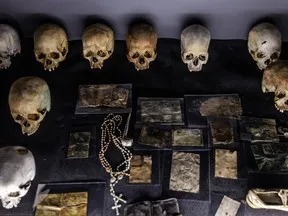
In April 1994, extremist Hutu members, who comprised about 85% of Rwanda’s population, launched a genocide that killed around 800,000 people—over 10% of the population—in just three months. The attacks targeted the Tutsi minority (about 14%), moderate Hutus, and Twa Indigenous people (1%). Hutu leaders distributed weapons, broadcast kill orders via FM radio, and mobilized local militias to slaughter neighbors and relatives.
Arrival and Refugee Claim
Beatha Mutangampundu, recently widowed, entered Canada at the Roxham Road border crossing on June 24, 2021. She sought refugee status due to fears of persecution stemming from imputed anti-government political opinions. Authorities linked her to a gospel singer and government critic assassinated for his stance.
Canada Border Services Agency (CBSA) officers conducted a two-hour point-of-entry interview the next day. Their mandate focuses on admissibility and eligibility for referral to the Refugee Protection Division (RPD), not credibility assessments. The officer cleared identity, criminality, and security concerns but challenged aspects of her claim’s credibility and recommended RPD intervention.
Mutangampundu submitted a detailed Basis of Claim narrative backed by evidence, explaining her well-founded fear. Despite this, the RPD rejected her application in November 2024, deeming her association with the singer, past persecution claims, and flight reasons not credible. The RPD gave her testimony and documents no weight, relying entirely on CBSA notes.
Federal Court Ruling
Justice Andrew J. Brouwer ruled on March 9 that the RPD decision must be set aside. “The member erred by failing to adopt a trauma-informed, intersectional approach to the adjudication of the applicant’s claim, resulting in an unreasonable decision,” Brouwer wrote.
The ruling notes the RPD ignored trauma and genocide guidelines. It failed to analyze how Mutangampundu’s experiences might affect her recall of dates, locations, or events during the aggressive CBSA questioning or RPD hearing.
Brouwer recognized inconsistencies in her evidence but emphasized her “extraordinary intersectional trauma” as a required factor in credibility assessments. The CBSA interview appeared hostile, fixating on peripheral issues like her 20-day delay after entering the U.S.—attributed to grief, exhaustion, and health issues post-flight from Rwanda.
More critically, the officer cross-examined her claim’s merits, confronting her with her daughter’s successful refugee narrative and demanding explanations for alleged discrepancies.
Brouwer quashed the RPD decision and remanded the case for redetermination by a different member.