[ad_1]
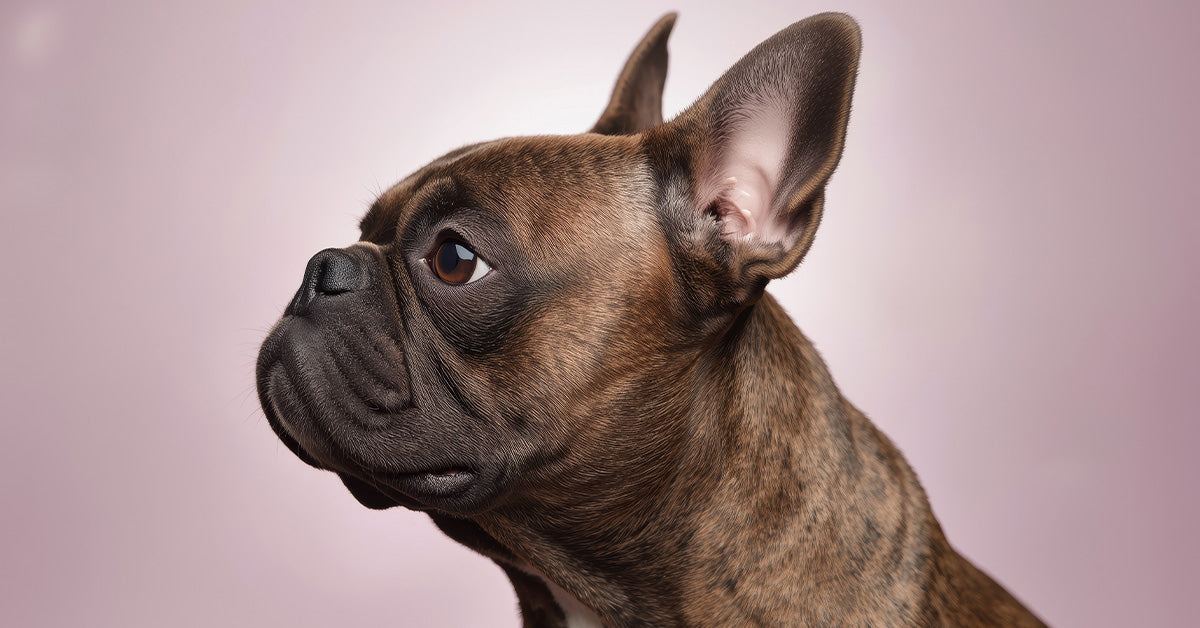
Flat-faced canine like pugs, bulldogs, and Frenchies are sometimes considered a distinctly fashionable obsession, however new analysis from an historical Roman website tells a really completely different story. A just lately analyzed canine cranium from the ruins of Tralleis in modern-day Turkey suggests that individuals residing greater than 2,000 years in the past have been already selectively breeding small brachycephalic canine that appeared strikingly much like right this moment’s French bulldogs. For anybody serious about canine evolution, historical Rome, or the historical past of pet retaining, this discovery of an historical bulldog-like canine is quietly exceptional.
The cranium was initially unearthed in 2007 at a Roman-era website in Tralleis, a metropolis that when thrived in what’s now Aydın, Turkey. At first, the stays have been in such poor situation that they attracted little consideration. Many fragments have been broken, and it was not instantly clear what sort of animal the cranium had belonged to. That preliminary neglect modified in 2021, when a staff of researchers took a more in-depth look and realized there is perhaps one thing uncommon hidden within the worn bone.

The brand new evaluation was led by Aleksander Chrószcz and Dominik Poradowski from the Wrocław College of Environmental and Life Sciences, working along with Vedat Onar from Istanbul College. They acknowledged that even a broken cranium can protect vital clues about an animal’s look and ancestry. Chrószcz defined that though components of the cranium have been too fragmented to measure in full, sufficient remained intact to permit an in depth scientific examination referred to as craniometry, which focuses on the measurement and comparability of cranium options.
Utilizing craniometry, the staff in contrast the Tralleis cranium to measurements taken from fashionable canine breeds. The poor preservation meant they may not reliably decide the cranium’s complete size, but different vital options have been nonetheless out there. Researchers measured the bottom of the cranium, the tympanic cavity associated to the center ear, the tooth, and the palate. These areas helped them reconstruct approximate proportions and establish the animal’s cranial kind.

The outcomes have been clear. Based on Chrószcz, there was little doubt that this was the cranium of a brachycephalic canine, a short-nosed animal with a particular flattened face. It was additionally comparatively small in measurement. Once they in contrast it with skulls from modern breeds, the closest resemblance was to a small French bulldog kind canine. In different phrases, individuals residing in Roman-era Tralleis could have stored companions that appeared very similar to the flat-faced pets many households know right this moment.
To substantiate the age of the specimen, the staff turned to radiocarbon relationship. This technique measures the decay of carbon isotopes in natural materials to estimate how way back an organism died. The outcomes positioned the canine’s life between 169 B.C.E. and eight C.E. That point span stretches throughout the late Republican and early Imperial durations of Rome, lengthy earlier than the emergence of most fashionable canine breeds, which usually date to the 18th century or later. The Tralleis canine is due to this fact not solely historical; it additionally predates the formalized breed requirements that outline the trendy canine world.
Based on the researchers, this cranium is just the second identified instance of a flat-faced canine from the Roman age. The opposite specimen got here from the well-known ruins of Pompeii. Two finds could sound modest, but they’re sufficient to recommend that Roman breeders have been already experimenting with brachycephalic traits and that such canine, whereas uncommon, have been current in not less than some communities. The truth that each examples are related to notable Roman-era websites strengthens the case for a deliberate, slightly than unintended, emergence of such a canine.
Of their research printed within the Journal of Archaeological Science, the researchers describe the Tralleis specimen as a “pet-like canine” that resembled the small French bulldog kind. They suggest that the particular look of this animal had a direct connection to Roman tastes and preferences. Roman households in Tralleis could have deliberately chosen for compact measurement and a shortened snout as a result of they discovered these traits interesting, trendy, or effectively suited to life as a companion inside the house.
There’s historic context to assist this concept. Historical Greek and Roman elites are identified to have valued distinctive canine sorts, significantly these related to searching, guarding, or status. Based on the researchers, rich Romans would pay vital sums for canine that matched particular beliefs of kind and performance. Over time, this need for specialised animals seems to have inspired deliberate breeding practices. They word that Romans are thought-about among the many first individuals to systematically breed canine, documenting differing types and listening to how choice may form look, capability, and habits.
The Tralleis cranium additionally matches right into a broader sample seen within the archaeological report. When scientists examine historical skulls of domesticated animals like cattle and pigs to their wild kinfolk, they see recognizable variations, however not the dramatic selection that characterizes canine. Canine skulls from completely different time durations and areas exhibit extraordinary variety, from lengthy, slender muzzles to extraordinarily compact, rounded faces. The wide selection in canine cranial sorts helps the concept that people have been actively shaping canine’ our bodies and roles for 1000’s of years.
Past what it reveals about early canine breeding, the Tralleis discover affords a glimpse into the emotional world of the individuals who lived alongside this animal. The canine was not discarded after dying. As a substitute, it was buried in a tomb, which strongly means that it belonged to somebody who cared for it deeply. The researchers write that the canine was seemingly a beloved companion, presumably thought-about vital sufficient that its proprietor requested to be buried with it. The phrasing “somebody will need to have cherished this canine” captures the sense of quiet intimacy preserved within the archaeological report.
I discovered this element significantly hanging as a result of it narrows the gap between fashionable pet-keeping households and an historical Roman household. The cranium’s flat face and small stature could have been the product of breeding selections, but the burial hints at a bond that goes far past bodily traits. The individuals who laid this canine to relaxation seem to have considered it not as a device or commodity however as a detailed companion, echoing the way in which many individuals regard their canine right this moment.
Ultimately, the Tralleis canine bridges an extended span of time with a single, recognizable profile. It means that the choice for small, brachycephalic canine isn’t merely a latest trend however has roots going again greater than two millennia. It additionally highlights how scientific strategies akin to craniometry and radiocarbon relationship can rework ignored fragments into significant tales in regards to the shared historical past of people and animals. From a fractured cranium in historical ruins, researchers have uncovered proof of early canine breeding, Roman style in pets, and a relationship between particular person and animal that feels startlingly acquainted.
[ad_2]