Local elections often center on everyday issues like waste collection rather than national debates such as Brexit. Voters prioritize practical concerns, especially when services like rubbish removal falter. Kemi Badenoch, Conservative leader, has launched her party’s campaign for the upcoming local elections with a sharp focus on these matters.
Birmingham’s Ongoing Waste Crisis
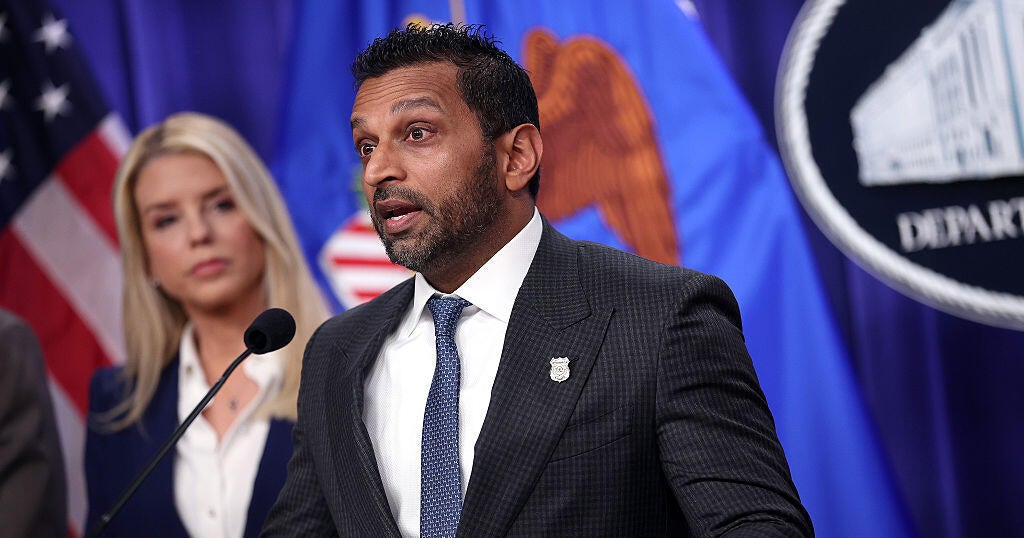
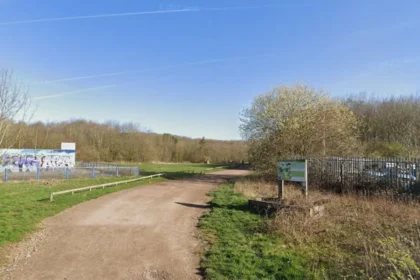
Badenoch addressed a supportive crowd, declaring, “You vote Labour, you get trash.” She highlighted bin strikes in Birmingham, Britain’s second-largest city, which have persisted longer than Peter Mandelson’s time as ambassador. The city now faces piles of uncollected waste, with streets overwhelmed by rotting garbage under a Labour-led council.
Key Pledges for Voters
Beyond waste issues, Badenoch pledged to tackle street drug problems. She outlined plans to eliminate stamp duty on family homes, easing the path for young couples entering the housing market. Additionally, she proposed scrapping business rates to boost local enterprises and support shopkeepers facing declining footfall.
These proposals address tangible challenges that residents encounter daily, from urban streets to high streets across the country.
Labour’s Response and Contrasting Priorities
Labour countered by criticizing a remark from the shadow justice secretary on public prayers. Meanwhile, London Mayor Sadiq Khan advocated for closer EU ties. With local elections six weeks away, these responses shift focus from potholes and crime to Brexit and cultural debates.
Implications for May Polls
Local elections serve as a key gauge of public sentiment toward the government. Many parliamentary seats hold narrow majorities, and voters use these polls to signal mid-term dissatisfaction. Badenoch’s emphasis on visible local improvements contrasts with broader national discussions, potentially influencing voter choices in May.