The largest measles outbreak in the United States in over 35 years has concluded, state health officials confirm. The outbreak began in South Carolina in October 2025, leading to nearly 1,000 confirmed cases over six months, including more than 600 in 2026. Officials report at least 21 hospitalizations but no deaths. No new cases linked to this outbreak have emerged in over 42 days.
Multiple US Outbreaks in Recent Years
South Carolina’s outbreak was not isolated. West Texas experienced over 760 cases from January to August 2025, including two child fatalities. More than two-thirds of those cases involved children, with 99 hospitalizations. Despite these outbreaks ending, the US anticipates surpassing previous yearly totals, marking the worst since measles elimination in 2000.
Canada’s Ongoing Measles Challenges
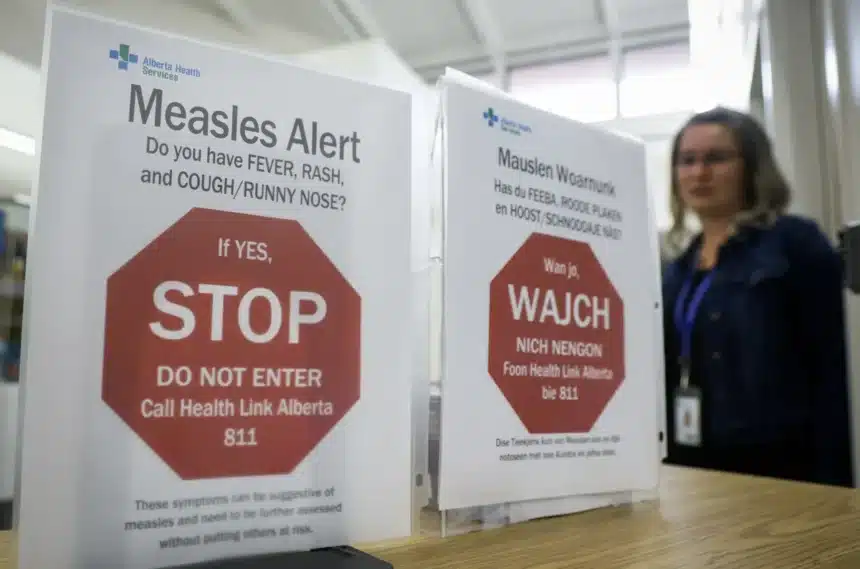
Canada lost its measles elimination status on November 10, 2025. Since the start of 2026, health authorities report 907 cases, with 834 confirmed and 73 probable. In 2025, the country recorded 5,436 cases—4,777 confirmed and 361 probable—including two fatalities.
Provincial Case Breakdown
Manitoba leads with 556 cases, followed by Alberta at 281. British Columbia and Ontario each report 23 cases, Nova Scotia has 10, Quebec nine, and Saskatchewan five.
PAHO Issues Urgent Alert
On February 3, the Pan American Health Organization (PAHO) issued an epidemiological alert, calling on countries like Canada to enhance routine surveillance, vaccination efforts, and rapid responses to suspected cases. Analysis shows 98 percent of Canadian cases involved domestic exposure, with less than 1 percent unknown or under investigation.
PAHO warns that the sharp rise in measles cases across the Americas in 2025 and early 2026 demands immediate coordinated action. It recommends active searches for early detection and targeted vaccination campaigns to address immunity gaps.
Manitoba Expands Vaccine Access
On March 31, Manitoba authorized pharmacists to administer measles vaccines to residents aged 2 to 19, effective immediately. “This is a commonsense step that will help more Manitobans get protected,” said Minister of Health, Seniors, and Long-term Care Uzoma Asagwara. “Pharmacists are trusted, accessible health-care providers in communities across Manitoba, and expanding their role makes it easier for families to get vaccinated and protect those most at risk.”