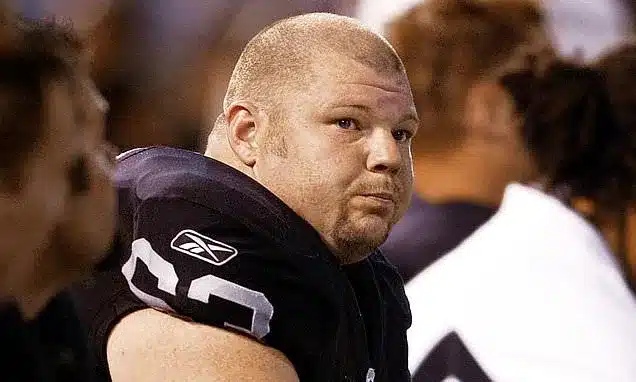
Former Oakland Raiders center Barret Robbins, known for his Pro Bowl career and infamous Super Bowl absence, has passed away at age 52.
Career Overview
Drafted from TCU in 1995, Robbins played all nine NFL seasons with the Raiders, appearing in 121 games. The Raiders organization expressed profound sorrow in a statement: ‘The Raiders family is deeply saddened to learn of the passing of Barret Robbins. The thoughts and condolences of the entire Raider Nation are with Barret’s family and friends during this difficult time.’
Former teammate Tim Brown shared the news on social media, revealing a call from Robbins’ ex-wife Marisa: ‘It’s with great regret I tell you I just received a call from Marisa Robbins informing me that Raiders All Pro center Barret Robbins passed away overnight. Thankfully, he passed peacefully in his sleep. Please pray for their girls, his family and tons of teammates who will be affected by this! It’s unfortunate that his life was never the same after he was not allowed to play in the Super Bowl. Rest Peacefully BR, you deserve it!’
Super Bowl XXXVII Incident
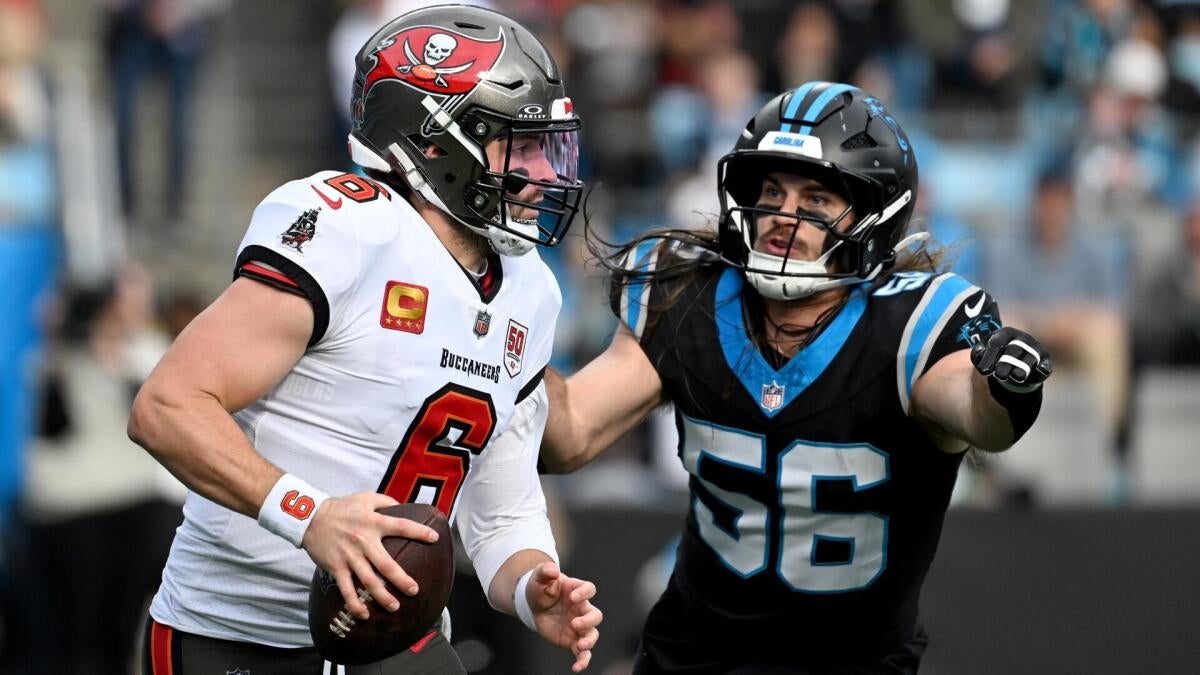
Robbins’ most notorious episode occurred before Super Bowl XXXVII against the Tampa Bay Buccaneers in San Diego. Two days prior to starting at center, he vanished from the team hotel after bidding farewell to his wife Marisa, who stayed at the family hotel.
A Raiders staffer contacted Marisa the next morning, noting Robbins missed the team meeting despite being present at bed check. He reappeared incoherent at 8 p.m. on game eve, prompting coach Bill Callahan to bench him and send him to the family hotel. The Raiders lost 48-21.
Robbins later explained to a Dallas radio show: ‘I was going through a manic episode that lasted more than two weeks. When we went to the Super Bowl I was having to shoot my foot up, going through acupuncture, going through a lot of pain. Pain is a big trigger when it comes to bipolar. That was something I was going through, as well as self-medicating.’ His wife reported he partied in Tijuana, believing the Raiders had already won.
This was not his first disappearance. In 1996, disoriented Robbins wandered a Denver team hotel, missing the next game. In January 2001, ahead of the AFC Championship versus the Baltimore Ravens, he went missing for 24 hours but started upon return.
Mental Health and Off-Field Challenges
Diagnosed with depression at TCU and later bipolar disorder, Robbins faced ongoing issues despite on-field success. He spent 30 days at the Betty Ford Center post-Super Bowl, receiving his bipolar diagnosis. The Raiders and NFL distanced themselves amid performance-enhancing drug allegations.
Legal Troubles Post-NFL
In 2004, police accused Robbins of punching a San Francisco hotel security guard on Christmas Eve, leading to misdemeanor charges of battery, trespassing, and public intoxication.
In 2005, Miami Beach police shot him three times in the lung and chest during a brawl. He fell into a two-month coma, then pleaded guilty to five charges, receiving five years’ probation and bipolar treatment orders.
Police found crack cocaine in his car near Dallas in 2010, resulting in a five-year prison sentence for probation violation; he was released in 2012.
In 2016, the 6’5″, 300-pound lineman faced charges for assaulting a woman and her daughter outside a Florida hotel, allegedly punching them before sitting on a bench.
October 2020 brought arrests in South Florida for drug paraphernalia, trespassing, and frequent sleeping outside a 7-Eleven. A month later, he allegedly fled a Delray Beach restaurant without paying, throwing a rock at a pursuing worker before police custody.