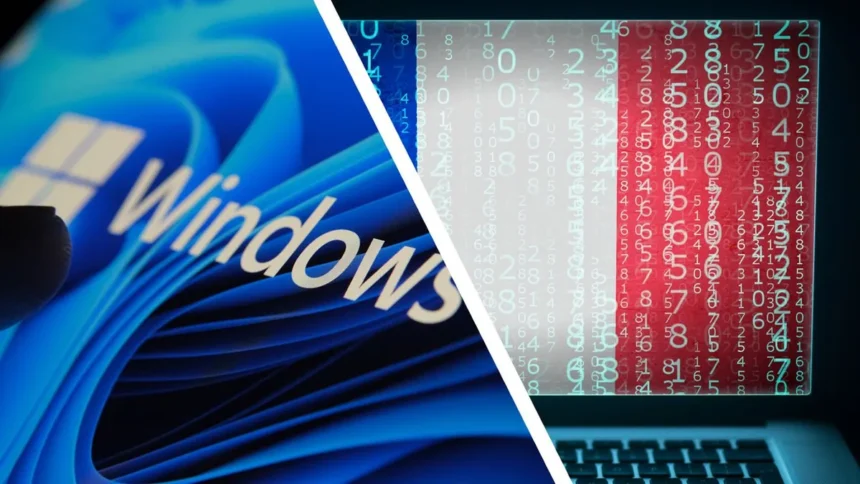
The French government accelerates its shift away from Windows, planning to replace the operating system on 2.5 million workstations with Linux by the end of 2026. This move underscores a push for digital sovereignty and reduced dependence on foreign software.
Government’s Digital Sovereignty Initiative
Every French ministry must develop and implement a migration plan by fall 2026. The transition includes evaluating complementary tools like antivirus and collaboration software. France already runs a customized Ubuntu distribution, known as GendBuntu, on over 100,000 police computers since 2008. Officials expect to expand this to the 2.5 million government PCs currently using Windows.
David Amiel, Minister of Public Action and Accounts, emphasizes the need for independence: “We must become less reliant on American tools and regain control of our digital destiny. We can no longer accept that our data, our infrastructure, and our strategic decisions depend on solutions whose rules, pricing, evolution, and risks we do not control.”
The initiative builds on prior actions, such as abandoning Microsoft Teams, as ministries map dependencies and partner with local operators.
Broader European Trends
This national policy follows similar decisions elsewhere in Europe. Germany’s Schleswig-Holstein state switched to Linux and LibreOffice last year. Denmark explores dropping Microsoft software. France’s scale, however, impacts millions of devices at the federal level.
Windows 11 Challenges Fuel the Shift
Governments cite eroding trust in Microsoft, particularly with Windows 11’s persistent issues. Users report sluggish performance, interface glitches, and frequent bugs, especially after updates like 24H2. Backlash intensified over aggressive AI integrations, with demands prioritizing fixes over new features.
Microsoft responds with promises of improvements, including deeper validation, broader testing on real-world hardware, and user-controlled feature previews. The company revamped its Windows Insider program and commits to quality enhancements shaped by feedback.
Potential Ripple Effects
Despite these efforts, concerns linger over Microsoft’s ability to deliver. Vague details on internal quality assurance raise doubts. If bugs persist through 2026’s monthly Patch Tuesday cycles—where updates introduce fixes that spawn new issues—user frustration could mount.
Such outcomes might inspire more migrations to Linux or macOS. Advances in Linux, including gaming support via SteamOS, position alternatives strongly. Successful fixes could stabilize Windows 11, but failure risks significant market share loss.