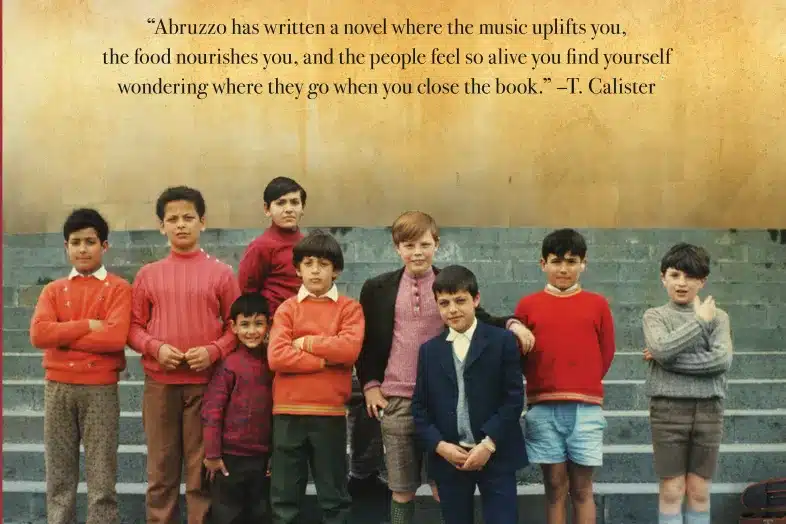
‘Fefè: A Sicilian American Life’ Offers a Compelling Portrait of Ambition
James Abruzzo’s debut novel, “Fefè: A Sicilian American Life,” offers a captivating journey through the life of an immigrant, weaving together contemporary themes with the singular pursuit of musical mastery. The protagonist, Alfredo Cercando, known by his nickname Fefè, dedicates his life to understanding the profound influence of music, particularly the piano, on his existence. His Italian surname, Cercando, fittingly translates to “looking,” a sentiment that echoes throughout his quest for purpose and identity.
Abruzzo, an accomplished figure in the art world with a background in piano performance and nonfiction writing, introduces his first fictional work with a narrative that celebrates the deep, almost spiritual connection Fefè shares with music. The novel intricately portrays Fefè’s unwavering dedication to his career as a concert pianist, highlighting how this singular focus shapes his sense of belonging and truth. While celebrating the passion that drives him, Abruzzo also poignantly captures the inherent suffering that arises from such intense dedication, often at the expense of other life experiences.
The Dual Nature of Artistic Pursuit
Fefè’s ambition extends to an international career, seeking both fame and financial security. Readers are treated to vivid descriptions of musical pieces, rendered with the precision of someone intimately familiar with concert-level performance. Beyond the music, the novel also provides glimpses into the broader art world as Fefè navigates relationships with friends and colleagues. Some may find themselves wishing for deeper exploration of Fefè’s romantic entanglements, a potential narrative choice that could underscore his struggles to connect beyond his professional life and the perpetual sense of being an outsider when navigating multiple cultures.
The challenges faced by immigrants are further illuminated through the character of Isa, another immigrant whose poignant reflections on her child’s assimilation highlight the feeling of foreignness that can persist. Fefè himself hails from Sicily, frequently returning to his ancestral home on the island’s east coast for solace and rejuvenation. His complex relationship with a lifelong friend, Franco, reveals the internal tensions Fefè carries. Franco, content with a simpler, local life in music, stands in contrast to Fefè’s international stardom and his often-critical judgment of his friend’s perceived lack of ambition. This dynamic creates a recurring theme of love and resentment that only softens as the friends age.
Family, Loss, and Enduring Legacies
Fefè’s all-consuming career has also impacted his relationship with his son, John. The novel sensitively addresses Fefè’s regrets stemming from his absence during John’s formative years. Abruzzo’s exploration of this paternal angst is both delicate and universally resonant.
A particularly moving passage recounts the aftermath of a devastating earthquake that struck Gibellina, Sicily. The narrative details the dedication of a violinist friend from the town who honors the victims and the destroyed community through music. Abruzzo’s portrayal of grief and remembrance is both powerful and uplifting, drawing parallels to real-world musical tributes, such as composer Daniel Pelton’s album “Violins of Hope,” created to commemorate the 80th anniversary of the liberation of Auschwitz.
Abruzzo masterfully unfolds the novel’s diverse themes, allowing each to develop organically within the fabric of Fefè’s life story. The narrative encourages readers to eagerly follow each unfolding path. “Fefè: A Sicilian American Life” is a highly recommended read for its insightful exploration of ambition, identity, and the sacrifices inherent in the pursuit of greatness.