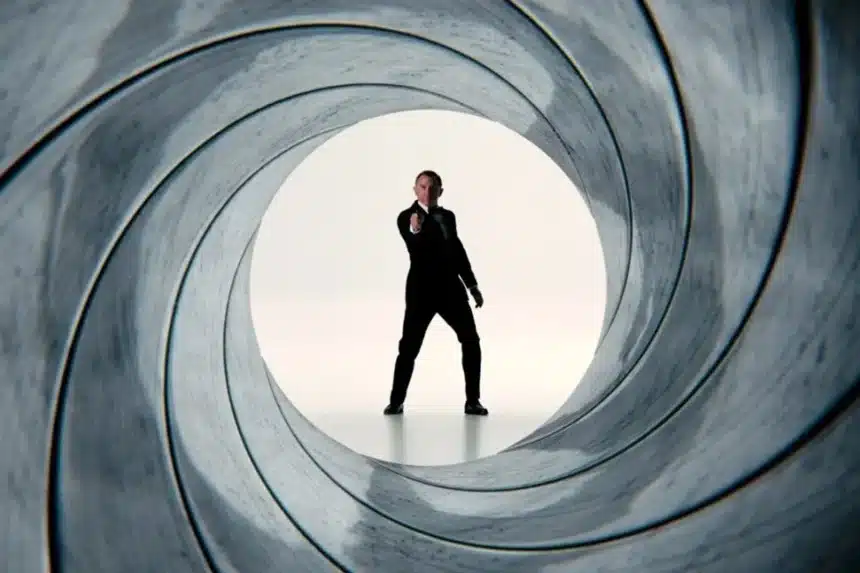
The search for the next actor to embody James Bond is a subject of intense speculation, and a veteran casting director who spent four decades shaping the iconic role has offered her insights. Debbie McWilliams, whose tenure with the franchise spanned from Roger Moore’s era in “For Your Eyes Only” to Daniel Craig’s swansong in “No Time to Die,” emphasized the paramount importance of an actor maintaining an aura of mystery to effectively portray the suave spy.
The Enigma Factor: A Core Requirement for Bond
McWilliams, who was instrumental in casting Pierce Brosnan, Timothy Dalton, and Daniel Craig as 007, believes that the ideal Bond actor must possess an inherent sense of enigma. “It is absolutely essential that he retains a total enigma,” she stated in an interview with The Independent. This perspective leads her to express reservations about some of the names currently circulating as potential successors, such as Callum Turner, Harris Dickinson, and Jacob Elordi.
Her reasoning is rooted in the nature of espionage and the audience’s perception of the character. “We want to know as little about them personally as possible, because that’s what spies are,” McWilliams explained. “We don’t need to know where he goes shopping or who his parents are, or where he lives. We never want to see him at home.” This desire for an unknowable persona is crucial for maintaining the illusion of the character.
Believability in the Role: The “Licensed to Kill” Mandate
Beyond the enigmatic quality, McWilliams highlighted another critical element: the actor’s ability to convincingly portray a deadly agent. “A vital element of the whole thing is his job description. He’s licensed to kill, and we have to believe that he can do that. If you don’t, then you’ve lost the audience,” she asserted. This requires a physical presence and an intensity that can support the character’s lethal capabilities.
She drew parallels to past casting choices, noting that while Daniel Day-Lewis, with his imposing stature and enigmatic presence, might have seemed a fitting candidate on the surface, it was not a path he would have pursued due to his deeply intellectual nature. McWilliams suggested such an actor might find the demands of the role overwhelming.
Past Successes and the Unpredictability of Choice
McWilliams reflected on the casting of previous Bonds, observing that actors like Dalton and Brosnan were not widely recognized before taking on the role. Daniel Craig, too, was not a household name, despite having a career in independent cinema and a public personal life. This history informs her preference for casting someone who is “completely out of the blue.”
She recalled the significant backlash Daniel Craig faced when he was chosen. “Craig was such an unpopular choice… nobody supported it. Not the studio. Not the director,” she revealed. However, the immense success of “Casino Royale” ultimately silenced the critics and cemented Craig’s status as a formidable Bond.
This experience led McWilliams to a firm conviction about the casting process: “Don’t ask the people who they want, because they won’t know.” She believes that the right actor, when placed in the role and allowed to develop the character, will win over the audience, even if they are an unexpected choice.
The Future of Bond Casting
With the second round of auditions reportedly scheduled for August, the speculation continues. While established names are often discussed, McWilliams’ insights suggest that the producers might be looking for an actor who is less known, allowing them the freedom to define the character without pre-existing public perceptions.
The upcoming James Bond film is set to be directed by Denis Villeneuve for Amazon MGM Studios. The casting director for this new iteration of the franchise is Nina Gold, who will be tasked with finding the actor who can embody the enduring appeal and complex nature of Agent 007, adhering to the timeless criteria of enigma, capability, and a touch of the unexpected.
Discovering Talent Beyond Bond
McWilliams’ career highlights extend beyond the world of espionage. Notably, she is credited with discovering Daniel Day-Lewis for his breakthrough role in the film “My Beautiful Laundrette.” This achievement underscores her keen eye for talent and her ability to identify actors with the potential for significant impact, a skill that has undoubtedly served the James Bond franchise so well over her extensive career.
Her approach, emphasizing mystery and the capacity to embody danger, offers a compelling framework for understanding what makes a James Bond truly memorable. As the franchise moves forward, the legacy of McWilliams’ casting decisions will undoubtedly influence the selection of the next actor to don the iconic tuxedo and carry the weight of the “licensed to kill” mandate.