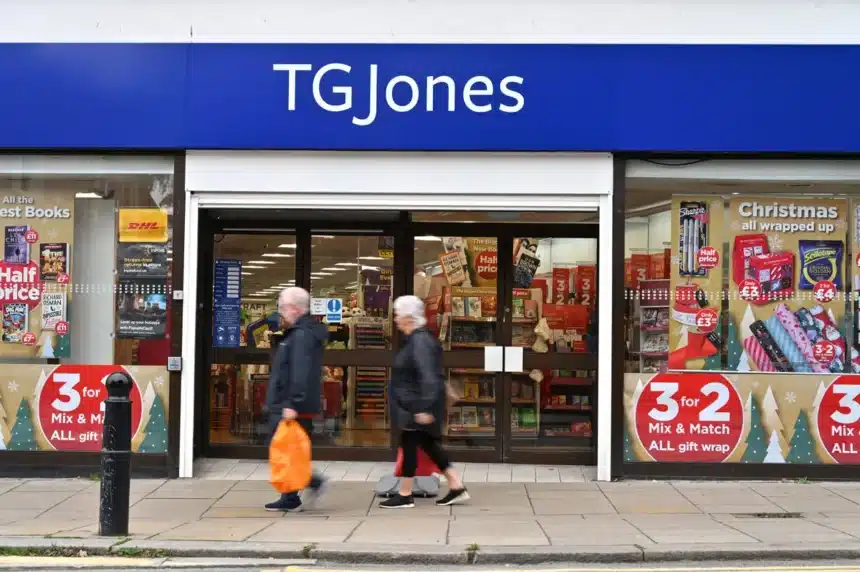
The retail chain TG Jones, formerly known as WH Smith, has secured a lifeline through a court-approved rescue plan that will see approximately 150 stores close their doors permanently. The High Court has sanctioned a restructuring that aims to save the business from administration, while also significantly reducing rental costs across its remaining locations.
Company Faces Significant Financial Challenges
Lawyers representing TG Jones informed the High Court that the company was facing an immediate £8 million shortfall, a critical deficit that necessitated the urgent approval of the proposed rescue measures. The retailer has been grappling with a prolonged period of declining sales, a situation described in court as the company being “highly distressed.” This long-term downward trend in revenue has put immense pressure on the business, leading to the difficult decision to implement such a drastic restructuring.
The Rationale Behind the Restructuring
The decision to close 150 stores is a key component of the administration plan designed to make TG Jones financially viable once more. This significant reduction in its physical footprint is intended to streamline operations, reduce overheads, and focus resources on the more profitable aspects of the business. The closures will undoubtedly impact numerous communities and employees, marking a substantial shift for the high street presence of the brand.
Impact of Declining Sales
The narrative of declining sales has been a persistent challenge for many traditional brick-and-mortar retailers. Factors such as the rise of e-commerce, changing consumer habits, and increased competition have all contributed to a difficult trading environment. TG Jones, with its history tracing back to the WH Smith era, has not been immune to these broader market forces. The company’s financial distress highlights the ongoing need for adaptation and strategic repositioning within the retail sector.
Rent Reductions as a Key Component
Alongside store closures, a crucial element of the approved rescue plan involves slashing rents on the remaining TG Jones locations. Negotiating lower rental agreements with landlords is vital for reducing fixed costs and improving the profitability of the stores that will continue to operate. This aspect of the plan underscores the significant burden that high property costs can place on retailers, particularly in challenging economic times.
The Path Forward for TG Jones
With the court’s approval, TG Jones can now proceed with implementing its restructuring strategy. The immediate focus will be on managing the closure process for the 150 affected stores in an orderly manner. Simultaneously, the company will work to renegotiate leases and optimize the operations of its remaining outlets. The success of this rescue plan will depend on its ability to adapt to the current retail landscape, attract customers back to its stores, and achieve sustainable profitability.
Lessons for the High Street
The situation at TG Jones serves as a stark reminder of the pressures facing the UK high street. Retailers must continually innovate and adapt to survive. This includes embracing digital channels, offering unique customer experiences, and managing costs effectively. The ability to secure favorable lease terms, as TG Jones has attempted through rent reductions, is also a critical factor in maintaining a physical retail presence.
Conclusion
The approved administration plan offers TG Jones a chance to recover from significant financial difficulties. While the closure of 150 stores represents a considerable contraction for the brand, it is a necessary step to ensure the survival of the business. The coming months will be critical as the company navigates the implementation of its restructuring, aiming to emerge as a more resilient and competitive retailer in a rapidly evolving market.