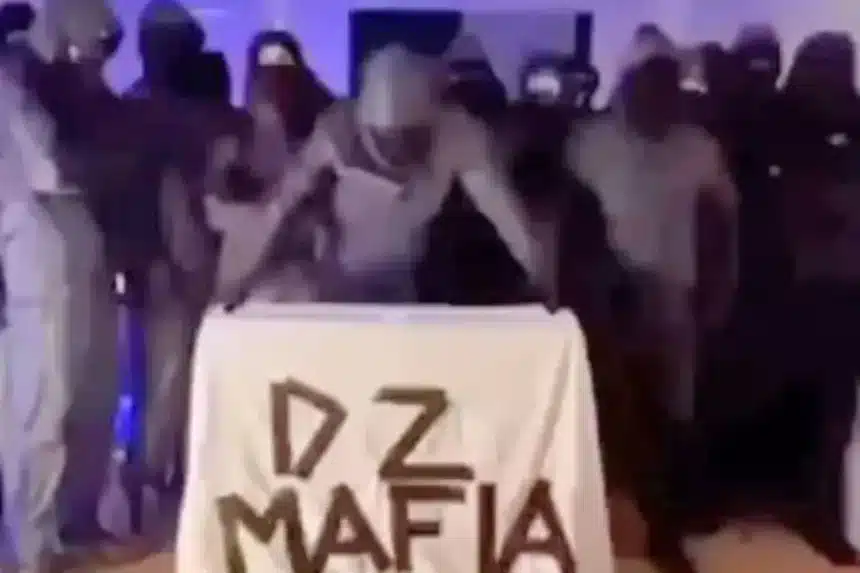
France is confronting a disturbing surge in youth gang violence, primarily fueled by drug trafficking, which has led to numerous tragic deaths and widespread fear in cities across the nation. Young teenagers, some as young as 13, are increasingly involved as perpetrators and victims in escalating conflicts, prompting authorities to implement new measures and express grave concerns about the nation’s trajectory.
Escalating Drug-Related Violence in French Cities
The grim reality of drug wars has cast a dark shadow over several French cities, with young lives being brutally cut short. In Marseille, the charred body of 15-year-old Adel was discovered on a beach, a bullet lodged in his skull, after his killers doused his remains in petrol and set them alight. This horrific act, captured on widely shared footage, serves as a stark warning of the brutal tactics employed by rival factions. Adel is tragically not an isolated case; dozens of teenage boys have reportedly been killed in France amidst this wave of violence.
The violence is not confined to one region. In Nantes, a 15-year-old boy was fatally shot, and a 13-year-old seriously injured, in an incident authorities suspect is linked to narcotics. France’s Interior Minister, Laurent Nuñez, acknowledged the severity of the situation, vowing, “We will not lose this war [against drug violence].” The Mayor of Nantes, Johanna Rolland, echoed these sentiments, pledging to combat the drug trafficking that is “plaguing the country.” Official figures suggest a concerning fourfold increase in the number of teenagers involved in gangs over the last decade.
Measures to Combat Youth Gang Violence
In response to the escalating crisis, several French cities have resorted to implementing night-time curfews for young people. Nîmes, a city in the south, introduced such a measure last summer, with Mayor Jean-Paul Fournier stating the aim was “to prevent those under 16 being exposed to violence.” The curfew, enforced between 9 pm and 6 am, was a direct response to shootings and stabbings attributed to the drug trade. This measure followed an earlier tragedy in 2023, when a 10-year-old boy was killed in an attack linked to traffickers.
Authorities are also increasing police presence during the night to counter youths, often masked and armed, who reportedly lure younger individuals into traps and attack them. The problem has been described as a “cancer that is spreading throughout the country” by Éric Ciotti, the mayor of Nice. Former Interior Minister Bruno Retailleau has even used the term “Mexicanisation” to describe the impact of drug-related violence on France, highlighting the severity of the issue.
Specific Incidents and Statistics
- In 2024, a five-year-old boy was shot in the head in Limoges in a drug-related incident.
- In November of the previous year, a 12-year-old boy was critically injured in Grenoble after being shot at a drug-dealing location.
- French Interior Ministry figures indicate that drug-related violence results in over 100 deaths and 300 injuries annually, with young people disproportionately affected.
- Many incidents reportedly go unrecorded due to fear among witnesses.
Underlying Causes and Societal Impact
Experts point to a complex interplay of factors contributing to the rise in youth gang violence. Sociologist Thomas Sauvadet, author of “Our Warlike Capital,” notes that approximately 10% of young men under thirty in underprivileged Parisian areas belong to gangs. These gangs often form from childhood friendships, with members experiencing difficulties at school and home, leading them to seek belonging and identity within these groups.
Social media is also identified as a significant catalyst. Footage of gang members posing with weapons can normalize such behavior and present it as a lucrative or desirable path for impressionable teenagers. Sauvadet warns that “gang culture has become mainstream.” High youth unemployment rates, sometimes reaching 30% in certain estates, further exacerbate the problem, leaving many young adults with limited prospects and susceptible to the allure of gang life.
The violence has also touched the lives of those outside the drug trade. In Marseille, trainee policeman Mehdi Kessaci was murdered, though he had no direct links to drug activities; however, his brother was a prominent anti-gang activist. In another incident in Besançon, garage mechanic Houcine Hakkar was shot dead after being mistaken for another individual by gang members seeking revenge.
Looking Ahead
The pervasive nature of this violence, coupled with the deep-seated societal issues that fuel it, suggests that the challenge facing French cities is long-term and complex. Despite ongoing efforts by law enforcement and local authorities, the bloodshed continues, leaving communities grappling with fear and loss. The involvement of increasingly younger individuals, the normalization of violence through social media, and persistent socio-economic challenges create a difficult environment for eradication. The situation underscores a critical need for comprehensive strategies that address not only law enforcement but also the root causes of youth radicalization and involvement in criminal activities.