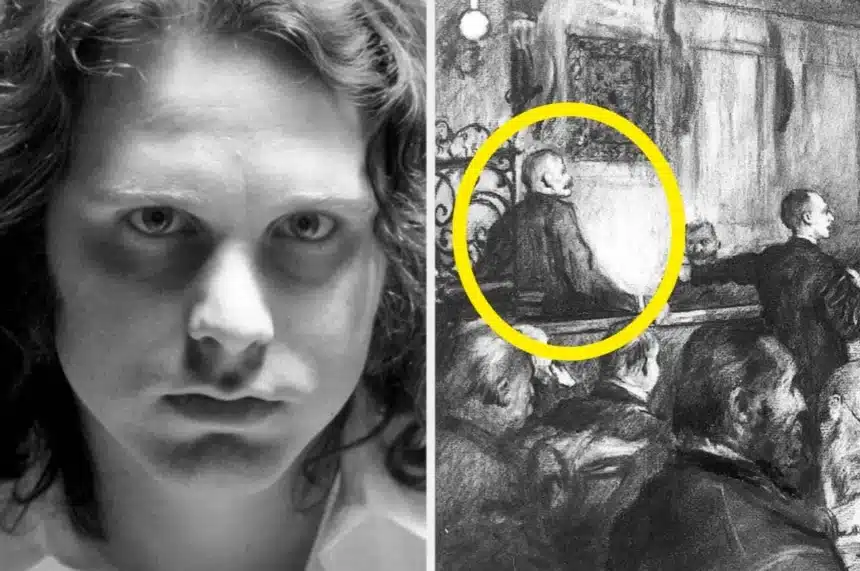
In the vast expanse of the internet, certain corners delve into the macabre, the unsettling, and the truly terrifying. This exploration often intersects with the grim realities of true crime, examining the darkest aspects of human behavior. Recent discussions and explorations have shed light on subjects that, while disturbing, hold a morbid fascination for many, prompting a deeper look into the psychology and history behind such phenomena.
The Allure of the Macabre
The human psyche possesses an inherent curiosity about the darker aspects of life, a phenomenon that psychological studies have explored for decades. This fascination isn’t necessarily about endorsing or glorifying violence, but rather about understanding the boundaries of human behavior and the narratives that emerge from extreme circumstances. True crime, in its various forms, taps into this curiosity by presenting real-life stories of crime, investigation, and consequence. These narratives often involve complex psychological profiles, intricate plotlines, and a stark reminder of the fragility of life and societal order.
Serial Killers and Their Histories
A significant portion of interest within the true crime genre focuses on serial killers. These individuals, whose actions have caused immense suffering, often become subjects of intense scrutiny. Beyond the horrific acts themselves, researchers and enthusiasts delve into their backgrounds, motivations, and the societal factors that may have contributed to their development. Examining the lives and crimes of serial killers, while deeply unsettling, can offer insights into patterns of behavior, the effectiveness of law enforcement, and the justice system’s response. This includes exploring details such as the last meals of serial killers, a practice that, while grim, serves as a historical footnote in the lives of individuals who have left an indelible mark on criminal history.
Navigating Digital Dark Corners
The internet has become a repository for an unprecedented amount of information, including content related to true crime and the macabre. Online forums, dedicated websites, and social media groups allow individuals to discuss, research, and share information about these topics. While these platforms can serve as spaces for genuine interest and academic exploration, they also present challenges. The ease of access to graphic content and the potential for misinformation require a discerning approach. Responsible engagement with such material involves critical thinking, an awareness of the emotional toll it can take, and a commitment to seeking out factual and well-researched information.
The Psychology of Fear and Fascination
Why are people drawn to stories that evoke fear and dread? Psychologists suggest several reasons. One is the concept of ‘safe fear,’ where experiencing frightening scenarios in a controlled environment (like reading a book or watching a movie) can be thrilling without posing actual danger. Another is the desire for understanding; by studying extreme events, people may feel better equipped to comprehend the world around them and the potential threats within it. True crime narratives, in particular, often involve elements of mystery and puzzle-solving, appealing to our innate desire to uncover the truth and see justice served, however grim the path to that justice may be.
Ethical Considerations in True Crime Consumption
The consumption of true crime content is not without its ethical considerations. Many argue that the intense focus on the lives and crimes of perpetrators can overshadow the experiences of victims and their families. There is a delicate balance to be struck between exploring the complexities of criminal behavior and ensuring that the narrative remains respectful to those who have suffered. Responsible content creators and consumers alike strive to approach these sensitive topics with a degree of solemnity, acknowledging the real-world impact of the events being discussed. This includes being mindful of the potential for re-traumatization and the importance of accurate reporting.
The Role of Online Communities
Online communities dedicated to true crime and the macabre play a significant role in how these subjects are discussed and understood. These platforms can foster a sense of shared interest and provide spaces for in-depth analysis and discussion. Members often share research, theories, and personal reflections, contributing to a collective understanding of complex cases. However, these communities can also be breeding grounds for sensationalism and speculation. Maintaining a focus on factual accuracy, respectful discourse, and an awareness of the human element behind the stories is crucial for the healthy functioning of such groups.
Conclusion: A Look into the Shadows
The exploration of dark themes, whether through true crime narratives or other macabre subjects, reflects a complex aspect of human curiosity. It prompts us to confront uncomfortable truths about society and human nature. By engaging with these topics thoughtfully and ethically, we can gain a deeper understanding of the world, the motivations behind extreme actions, and the enduring power of storytelling, even when the stories themselves are deeply unsettling. The digital age has amplified our access to such content, making critical consumption and responsible discussion more important than ever.