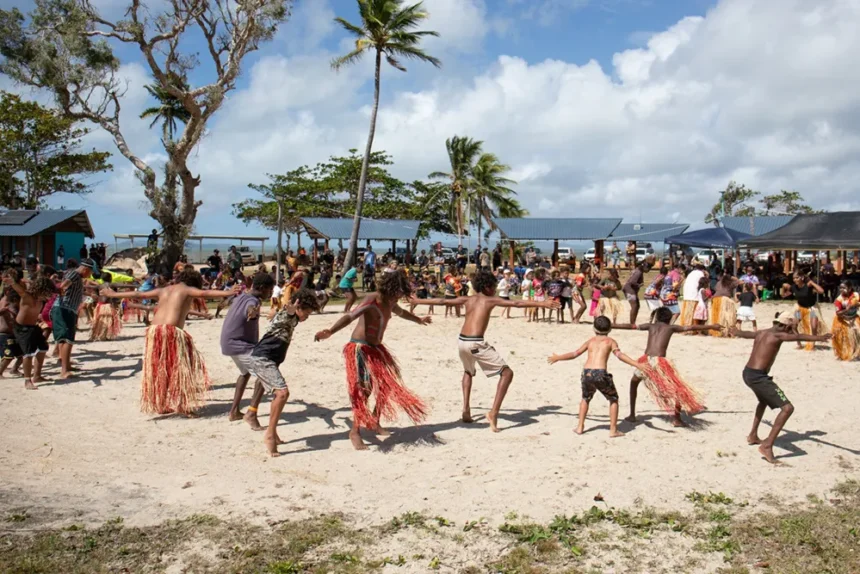
The Umpila Indigenous Protected Area (IPA) has been officially dedicated, marking a significant advancement for First Nations-led conservation efforts on Queensland’s Cape York Peninsula. This momentous occasion was commemorated with a community ceremony held in Lockhart River, bringing together Umpila Traditional Owners and supporters to celebrate the establishment of this vital protected zone.
Expanding Conservation on Cape York
Spanning an impressive 42,803 hectares, the Umpila IPA is strategically situated within one of Australia’s most ecologically rich and biodiverse regions. Its establishment significantly bolsters conservation initiatives by connecting existing protected lands, thereby enhancing ecosystem connectivity across the broader Cape York landscape. The IPA seamlessly integrates with the adjacent Kulla (McIlwraith Range) and Oyala Thumptang national parks, forging a more extensive and cohesive protected area.
Diverse Habitats Under Protection
The Umpila IPA encompasses a variety of critical habitats, each playing a crucial role in the region’s ecological health. These protected environments include:
- Lush rainforests teeming with life.
- Unique heathlands adapted to specific environmental conditions.
- Vital wetlands that serve as crucial water sources and habitats.
- Extensive mangrove systems, essential for coastal protection and marine nurseries.
- Important seagrass beds, supporting marine ecosystems.
This comprehensive protection of diverse ecosystems ensures the preservation of the intricate web of life that characterizes Cape York.
A Haven for Iconic Native Species
The Umpila Indigenous Protected Area is a sanctuary for numerous significant native species, many of which are iconic to the Australian continent and particularly to this unique region. The presence of these species underscores the ecological importance of the IPA and the success of traditional land management practices in safeguarding biodiversity.
Key Species Found Within the IPA:
- Southern Cassowary: A large, flightless bird and a significant indicator species for rainforest health.
- Palm Cockatoo: A striking black parrot known for its distinctive crest and powerful beak.
- McIlwraith Leaf-tailed Gecko: A remarkable reptile with incredible camouflage abilities, endemic to the region.
- Green Python: A vibrant arboreal snake found in the tropical rainforests.
- Dugong: A gentle marine mammal that relies on seagrass beds for sustenance.
- Various Marine Turtle Species: Several species of sea turtles utilize the coastal waters and nesting grounds associated with the IPA.
The protection afforded by the Umpila IPA is crucial for the survival and thriving populations of these and many other native flora and fauna.
Traditional Ownership and Management
A cornerstone of the Umpila IPA’s success is its management by the Umpila Traditional Owners. They will employ a holistic approach, integrating deep-seated cultural knowledge and time-honored traditional practices to ensure the ongoing care and protection of their Country. This Indigenous-led conservation model is recognized globally for its effectiveness in preserving natural landscapes and cultural heritage simultaneously.
Core Management Activities
The management plan for the Umpila IPA outlines a comprehensive suite of activities designed to maintain ecological integrity and cultural values. These include:
- Biodiversity Monitoring: Ongoing assessment of plant and animal populations to track ecosystem health and inform management decisions.
- Protection of Cultural Sites: Safeguarding sacred sites, ancient art, and other significant cultural heritage locations.
- Right-Way Fire Management: Implementing traditional burning practices that promote ecological health and reduce the risk of uncontrolled wildfires.
- Feral Animal and Weed Control: Managing the impact of introduced species that threaten native wildlife and habitats.
- Visitor Management: Ensuring that tourism and recreational activities are conducted in a sustainable manner that respects the environment and cultural values.
This integrated approach ensures that the land is cared for in a way that is both ecologically sound and culturally appropriate.
A Growing Network of Indigenous Protected Areas
The dedication of the Umpila IPA represents a significant expansion of Australia’s network of Indigenous Protected Areas (IPAs). These areas, managed by Indigenous communities across the nation, now collectively represent more than half of all land formally protected in Australia. This growing network highlights the critical role Indigenous Australians play in national conservation efforts and the recognition of their enduring connection to Country.
The establishment of the Umpila IPA is a testament to the power of collaboration between Indigenous communities, government agencies, and conservation organizations. It ensures the long-term protection of invaluable natural and cultural heritage for future generations, reinforcing Cape York Peninsula’s status as a global biodiversity hotspot.