The federal government is facing a familiar summer dilemma as WestJet flight attendants have officially gone on strike, disrupting travel plans for numerous Canadians. This latest labour dispute, occurring during one of the year’s busiest travel periods, leaves Ottawa with several potential courses of action, each carrying its own set of risks and implications for labour relations.
Understanding the WestJet Strike and Government Options
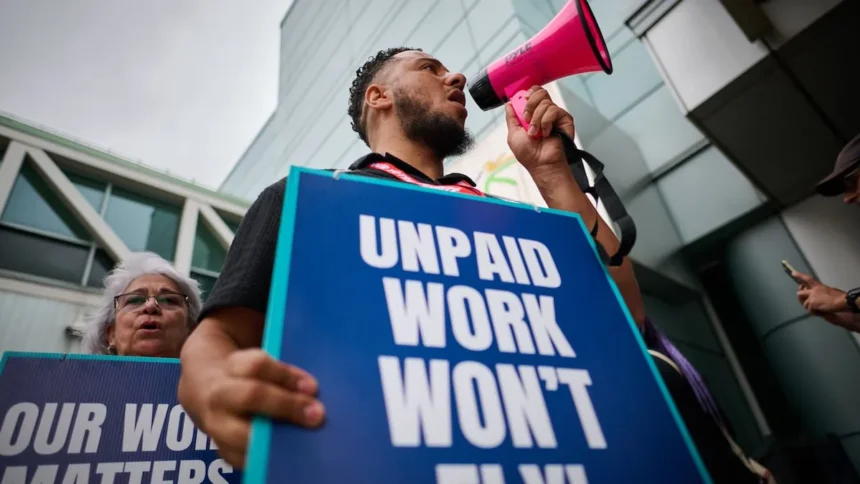
The strike commenced Sunday morning after the Canadian Union of Public Employees (CUPE) and WestJet failed to reach an agreement on a new contract. The situation escalated when CUPE issued a 72-hour strike notice, which was met with a reciprocal 72-hour lockout notice from the airline. This has led to widespread flight cancellations, impacting thousands of travellers.
The federal government possesses a range of tools to address such work stoppages. Historically, one of the most direct, though contentious, methods involves invoking Section 107 of the Canada Labour Code. This provision grants the federal labour minister the authority to order an end to a strike or lockout with the stated aim of maintaining or securing industrial peace.
The Canada Labour Code: A Double-Edged Sword
Section 107 of the Canada Labour Code, in place for over four decades, has been utilized multiple times in recent years. Since 2023, it has been invoked approximately ten times, often to halt or pause labour disputes and mandate binding arbitration. However, this approach has drawn significant criticism from labour unions.
Union leaders contend that the government’s frequent use of Section 107 undermines the fundamental principles of collective bargaining. They argue that employers may be incentivized to prolong negotiations, anticipating government intervention to resolve disruptions before they become too severe. This perception can weaken the bargaining power of employees, who rely on the leverage of potential work stoppages to secure fair contracts.
A notable instance occurred last summer when the federal government applied Section 107 to resolve a dispute between Air Canada and its flight attendants. The government directed the Canadian Industrial Relations Board (CIRB) to arbitrate. Despite this order, the union representing Air Canada’s flight attendants defied the CIRB, choosing to remain on strike until a negotiated settlement was reached. A deal was eventually finalized shortly after this act of defiance. Following this event, Bea Bruske, president of the Canadian Labour Congress, remarked that the union’s stance effectively rendered Section 107 powerless.
Current Stance and Alternative Avenues
As of Sunday morning, there has been no indication that the federal government intends to invoke Section 107 in the WestJet dispute. Jobs Minister Patty Hajdu stated that the government believes the most effective agreements are those reached through direct negotiation at the bargaining table. This suggests a preference for allowing the parties to resolve the dispute themselves.
Beyond Section 107, another option for the government is to introduce back-to-work legislation. However, this process can be time-consuming, particularly as Members of Parliament are not scheduled to reconvene in the House of Commons until September 21, unless an earlier session is called. Such legislation would require parliamentary approval and could face political hurdles.
Political Perspectives on Government Intervention
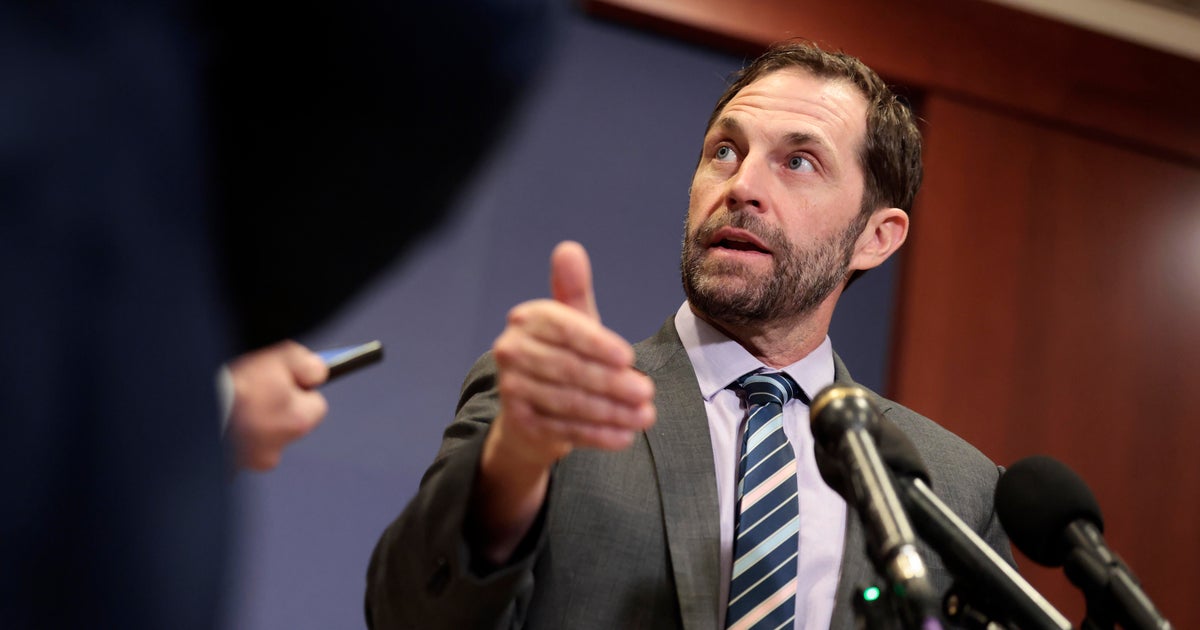
The New Democratic Party (NDP) has publicly urged the Liberal government to refrain from intervening in the WestJet strike. In a recent news release, NDP MP and labour critic Don Davies emphasized the importance of collective bargaining for workers seeking fair wages. He criticized government intervention as a form of “strikebreaking” that unfairly benefits corporations over employees.
Similarly, Conservative MP and labour critic Kyle Seeback communicated his views in a letter to Minister Hajdu. Seeback argued that government intervention, such as that seen in the Air Canada dispute last year, erodes confidence in the collective bargaining process and infringes upon workers’ rights under the Canada Labour Code. He stressed that free negotiation between parties is crucial for effective collective bargaining.
Mediation Efforts Underway
While direct intervention through legislation or Section 107 remains a possibility, the federal government has already taken steps to facilitate a resolution through mediation. Federal mediators were appointed on July 13, with an additional special mediator assigned two days later. These appointments signal the government’s commitment to encouraging dialogue and assisting WestJet and CUPE in reaching a mutually agreeable contract, without resorting to more forceful measures at this stage.
Conclusion: Navigating a Complex Labour Landscape
The WestJet strike presents the federal government with a complex challenge, balancing the need to ensure travel stability with the respect for workers’ rights and the principles of collective bargaining. While the government has powerful tools at its disposal, their use is often met with significant opposition from labour unions, potentially damaging long-term labour relations. The current focus on mediation suggests a cautious approach, aiming to foster a negotiated settlement while keeping legislative options in reserve should the situation fail to resolve.