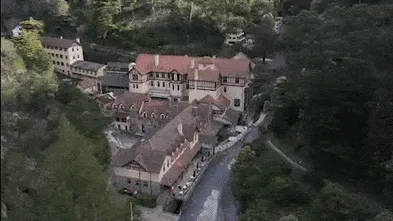
New South Wales’ iconic Jenolan Caves are slated to reopen early next year, marking a significant milestone after a six-year closure due to extensive damage from natural disasters. The prolonged closure impacted access roads, the visitor precinct, and the historic Caves House. While the caves themselves are nearing readiness, the crucial question of how visitors will reach the valley remains a complex challenge, with traditional vehicle access unlikely to be reinstated.
Navigating Access Challenges
The primary obstacle to the full reopening of Jenolan Caves is the state of the access roads. Catastrophic damage from successive natural disasters has rendered them unsafe and costly to repair. The Five Mile section of Jenolan Caves Road, for instance, faces an estimated repair bill of at least $150 million, and even then, it would remain susceptible to landslips. Consequently, Transport for NSW is evaluating future repair viability, with a decision expected in the coming months.
Repairs to the Two Mile section of Jenolan Caves Road are underway and are projected to cost over $57 million, with completion anticipated this year, weather permitting. This section is intended to serve as the future access road.
Adding to the access complexities, Victoria Pass on the Great Western Highway, a key route for visitors from Sydney and the Blue Mountains, is also currently closed due to upgrades and restoration work. These ongoing disruptions highlight the intricate logistical puzzle facing the reopening of this major tourist attraction.
Exploring Innovative Transport Solutions
With traditional vehicle access into the valley and through the Grand Arch improbable, the New South Wales government is actively considering alternative transport methods. A leading proposal involves a $44 million detachable gondola system, drawing parallels to the successful cable car at Sydney’s Taronga Zoo.
This proposed gondola would span 1154 metres, transporting visitors from the escarpment down to the valley floor. Andrew Le Lievre, director of the Jenolan Caves Reserve Trust, indicated that discussions with Transport for NSW are focused on a fleet of shuttle buses operating from a designated parking area at the top of the hill. “Our preferred option is not to have the public driving on that road,” Le Lievre stated, citing its steep, narrow, and winding nature as reasons for concern.
Paul Toole, the Member for Bathurst, has championed the gondola as a “no-brainer solution,” believing it would elegantly address both financial and geographical hurdles. He envisions the gondola enhancing the visitor experience, offering a “magical” journey and a unique perspective as people descend into the valley.
Gondola: A Preferred Option
A report by consultants Riser + Gain identified the gondola as the preferred option, citing its cost-effectiveness and minimal environmental impact. The report highlighted that the gondola would be the least damaging to the local biodiversity and the delicate limestone formations. It was estimated to be significantly more viable than repairing the extensive damage to the Five Mile Road section.
The recommended mono-detachable gondola system is designed to carry approximately 900 visitors per hour in each direction, potentially accommodating around 500,000 visitors annually in the short term, with capacity for more if demand increases.
A Glimpse into the Reopened Caves
Beyond the access challenges, the reopening promises a revitalized experience for visitors. Extensive upgrades and restoration work across the Jenolan Caves precinct will allow access to several caves that have been closed to the public for years. These include:
- The Ribbon: Renowned for its unique, gravity-defying helictites.
- The Jubilee: Showcasing spectacular and intricate crystal formations.
- The River Cave: Described as a complex and awe-inspiring labyrinth.
Guides will be on hand to escort visitors, aiming to evoke a sense of wonder and discovery as they explore these ancient geological formations, some dating back over 340 million years. Le Lievre expressed a desire to move beyond the perception that Jenolan Caves is merely a destination for school trips, encouraging repeat visits from families and individuals.
Economic and Ecological Benefits
The reopening of Jenolan Caves is anticipated to provide a substantial economic boost to the region. Local businesses and employment are expected to benefit significantly, reinforcing the caves’ status as a vital natural treasure for Australia and international tourists.
Ecologically, the prolonged absence of vehicles and the efforts of National Parks have contributed to a positive environmental turnaround. The reduction in human traffic has aided the re-establishment of native species, including brushed-tail possums, which were once critically endangered. The presence of spotted-tailed quolls and a family of platypus in the Blue Lake further underscore the site’s flourishing biodiversity.
A New Resident: The Jenolan Cave Cricket
Adding to the unique allure of Jenolan Caves is the recent discovery of a new species: the Jenolan Cave Cricket. This tiny insect, about the size of a coffee bean, has been scientifically named Speleotettix binoomea. The species name is a tribute to the traditional Indigenous name for Jenolan, used by the Gundungurra people, meaning “dark spaces.” This marks the first instance where a word from the Gundungurra language has been incorporated into a species’ scientific name, highlighting a significant cultural connection.
Visitor numbers have seen a significant decline since the pandemic, dropping to fewer than 50,000 annually, a stark contrast to the pre-pandemic average of 240,000 visitors per year. The planned reopening and the implementation of innovative access solutions aim to restore Jenolan Caves to its former prominence as a world-class natural attraction.
Conclusion
The forthcoming reopening of Jenolan Caves in early next year signifies a hopeful new chapter for this natural wonder. While the restoration of the caves themselves is nearing completion, the journey to reach them presents a unique set of challenges. The proposed gondola system and shuttle bus service represent forward-thinking solutions designed to ensure sustainable and accessible visitor experiences. As the state government finalizes these crucial access plans, the prospect of exploring newly accessible caves and witnessing the region’s revitalized ecosystem offers a compelling reason for anticipation.