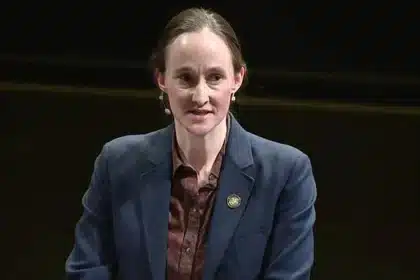
The cities of the future may feature underground havens for protection against conflict, advanced robotics that minimize human interaction, and innovative solutions to community living, according to journalist Gabriella Bennett’s exploration of urban design and human resilience. Her book, “How To Build A City,” delves into a two-year global journey, examining how architecture and planning can mitigate crises, foster community, and adapt to changing circumstances.
Architecture as a Shield Against Crisis
Bennett highlights instances where thoughtful design has averted disaster. An early example cited is the 2007 Glasgow Airport attack, where a concrete pillar’s presence, a seemingly simple architectural element, significantly reduced potential casualties. This incident underscores a recurring theme in the book: how the built environment can act as a crucial line of defense in times of crisis.
The book frequently revisits the impact of war on urban landscapes. In Ukraine, Bennett documents the destruction of homes and cities like Kyiv and Lviv, while also observing the efforts of architecture schools training a new generation to rebuild. This focus on war-related destruction and subsequent resilience is a significant thread woven throughout her research.
Innovative Urban Planning and Adaptation
Bennett’s journey takes readers to diverse locations, showcasing unique approaches to urban living and adaptation. In Glenrothes, Scotland, she explores a post-war new town where art and architecture were instrumental in creating a community for coal miners. This illustrates how deliberate planning can shape social cohesion.
A striking example of forward-thinking design is Helsinki’s underground city. Initially conceived as a Cold War defense measure, this vast subterranean network now encompasses shopping centers, swimming pools, and go-kart tracks. Crucially, it is equipped to house nearly a million people within 24 hours in the event of an attack, demonstrating a pragmatic approach to security and functionality.
The Swedish town of Kiruna presents another fascinating case of adaptation. Built on a mountain rich in iron ore, the town faces geological instability as mining operations cause the land to shift and buildings to crumble. In response, significant structures, including the 672-tonne Kiruna Church, are being moved. These buildings are slowly relocated on remote-controlled platforms, inching forward at less than a mile per hour to reach safer ground. While not a permanent fix, this method offers a temporary solution to preserve architectural heritage amidst environmental challenges.
The Role of Technology and Human Connection
Bennett also explores the increasing integration of technology into daily life, even touching upon the popular life simulation game, The Sims. She notes the game’s creator, Will Wright, was inspired to build virtual worlds after his own home was destroyed in a wildfire, drawing a parallel between the desire for control in uncertain times and the appeal of simulation games. This fascination with creating and controlling environments extends to Bennett’s personal experiment in Tokyo, where she attempted to spend 24 hours interacting only with automated or robotic services. She found this surprisingly feasible, highlighting the growing presence of technology in minimizing direct human contact.
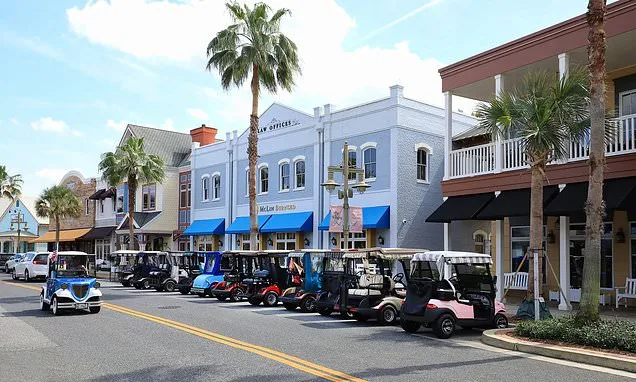
However, the book contrasts this with communities where human interaction remains paramount, albeit in different forms. The Villages in Florida, a large retirement community, is presented as a place where social life is highly integrated. Here, golf carts are the primary mode of transportation, and even churches have adapted to accommodate ‘drive-by worship’ for these vehicles. The intense social fabric of The Villages, where ‘everyone knows everyone,’ is noted, alongside observations about its unique social dynamics.
Resilience and Resourcefulness in Urban Futures
Despite its title, “How To Build A City” is not a literal construction manual. Instead, it serves as a compelling narrative about human resilience, strength, and the inherent resourcefulness demonstrated in adapting to diverse and often challenging urban environments. Bennett’s work illuminates how cities, through innovative design, technological integration, and community spirit, are constantly evolving to meet the needs and overcome the threats of the future.
The book ultimately suggests that the cities of tomorrow will be shaped by a complex interplay of security concerns, technological advancements, and the enduring human need for connection and adaptation. From fortified underground networks to digitally mediated interactions and unique community structures, the future of urban living promises to be as varied as the challenges it seeks to address.