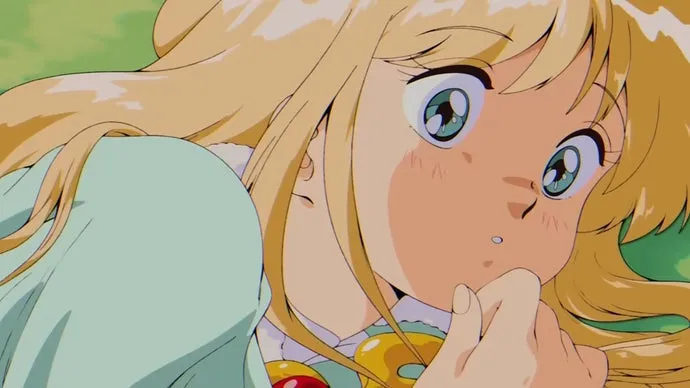
In Fields of Mistria, players step into the boots of an adventurer who transitions into a farmer, tasked with revitalizing a struggling town while balancing monster hunting, dragon magic, and agricultural demands. This fantasy farming simulator, released after a two-year early access period, aims to capture the spirit of late 1990s farming games, offering a blend of classic mechanics with unique twists. While it shares the initial premise of reviving a town and building relationships found in titles like Harvest Moon, Fields of Mistria quickly distinguishes itself from its predecessors and contemporaries, most notably Stardew Valley, by fostering a more relaxed approach to farming and encouraging diverse gameplay.
A Relaxed Approach to Farming and Diversified Gameplay
Unlike many farming simulations that can devolve into hyper-efficient, profit-driven monocultures, Fields of Mistria actively discourages this impulse. The game incentivizes players to explore a variety of activities, from fishing and farming to crafting and even outperforming the local blacksmith. This encouragement of diversification is supported by the character Caldarus, an amnesiac dragon statue who offers in-game perks in exchange for ‘essence’ gathered through various efforts. This system ensures that both exploring mines for treasures and clearing farm land for new structures are considered equally valuable, preventing the common pitfall of automation-centric gameplay found in many other farming sims.
The game adopts a surprisingly grounded perspective on farm management, even within its fantastical setting. While magical elements like a storm-summoning spell exist, the crops themselves are familiar and sensible, focusing on staples like corn and potatoes, alongside herbs for those seeking a more refined touch. This contrasts with games featuring entirely fictional produce. Similarly, the ranching mechanics stick to realistic animals such as cows, chickens, horses, ducks, sheep, and alpacas, with unique variations like color-shifting alpacas being purely cosmetic. This focus on familiar elements allows players to concentrate on animal affection rather than managing exotic needs, contributing to a less stressful overall experience.
Rich Characters and Engaging Social Simulation
Fields of Mistria places a significant emphasis on its cast of characters, who are as visually striking as they are full of personality. The townspeople boast a distinctive 90s-inspired fashion sense, complete with bold outfits and numerous pop culture references, allowing for extensive character customization with magical girl transformation sequences. Beyond their stylish appearances, the NPCs are deeply characterized, moving beyond typical farming sim archetypes. The game notably avoids ageist clichés, portraying older residents as fashionable and engaging as their younger counterparts.
A key strength of Fields of Mistria lies in the organic relationships between its NPCs. They interact with each other outside of the player’s direct influence, engaging in activities like playing games, gambling, and reminiscing about past experiences. This creates a living, breathing world where events unfold organically. Weekly gatherings at The Sleeping Dragon Inn, known as ‘Friday Nights at the Inn,’ serve as a prime example, allowing players to eavesdrop on evolving plots and conversations that continue to develop over multiple in-game seasons. This deep well of dialogue and emergent storytelling contributes significantly to the game’s immersive quality.
The game excels at making conversations feel dynamic and meaningful. Unlike the often repetitive dialogue found in other life simulators, Mistria’s characters react contextually to the player’s actions and the time of day. A merchant might discuss his wares near his stall, but offer different conversation topics at the inn. Compliments are given for early morning activity, and discussions about moonlit walks occur late at night. Achievements, such as donating to the museum or restoring the town, are met with genuine enthusiasm. This wealth of interactive dialogue encourages players to spend time simply conversing with the townsfolk, a pursuit that is enjoyable and not penalized by the game’s objective structure.
Technical Aspects and Areas for Improvement
Despite its many strengths, Fields of Mistria is not without its drawbacks. The game has experienced performance issues, particularly following a migration to a new engine shortly before its 1.0 launch. During rainy or snowy weather, frame rates can drop significantly, leading to a sluggish player character movement that is especially frustrating during combat. While capping the frame rate to 60fps and reducing weather particle effects can mitigate these issues, they detract from the intended visual experience.
Another area where the game could improve is the limited number of seasonal festivals and the scope of its cutscenes. Currently, there is only one festival per season, a surprisingly low number for a genre that often relies on these events for community building and engagement. However, the existing festivals are well-executed, and there is optimism among players that the developers will expand this content post-launch, similar to how Stardew Valley evolved with updates. The developers have indicated a commitment to ongoing content additions, raising hopes for future additions like a beach festival.
Convenient Features and a Promising Future
Fields of Mistria incorporates several small but impactful features that enhance the player experience. Crafting can utilize items from both the player’s inventory and storage, streamlining the process. Shops do not adhere to strict opening hours, allowing for purchases at any time. The in-game map displays the locations of all characters, simplifying social interactions. Perhaps one of the most appreciated features is that cutscenes can trigger regardless of the target character’s immediate presence, eliminating the need to wait around for specific NPCs, a common frustration in older Harvest Moon titles.
While the game is still in its early post-launch phase, the developers have pledged continued support and content updates. This commitment suggests that current limitations, such as the number of festivals, may be addressed over time. Fields of Mistria offers a compelling blend of traditional farming simulation with a vibrant fantasy world, rich character interactions, and a relaxed pace, making it a noteworthy addition to the genre.