New South Wales is set to launch a significant firearm buyback program, with authorities anticipating that as many as one-quarter of the state’s registered firearms could be surrendered. This initiative follows the rejection of a similar compensation scheme by several other Australian states and territories. The program is slated to commence in November, shortly after the first anniversary of the December 2025 Bondi terror attack, an event that has heavily influenced the push for enhanced gun control measures.
NSW Gun Buyback Details and Objectives
The NSW government, in collaboration with the federal government, will administer the buyback, which is a key recommendation from the interim report of the anti-semitism royal commission. Prime Minister Anthony Albanese stated that the buyback is a crucial step in preventing future tragedies like the one in Bondi, emphasizing the need for “meaningful nationwide gun reform.” The federal government will fund the destruction of surrendered firearms, while NSW and any other participating states will share the administrative costs with the Commonwealth.
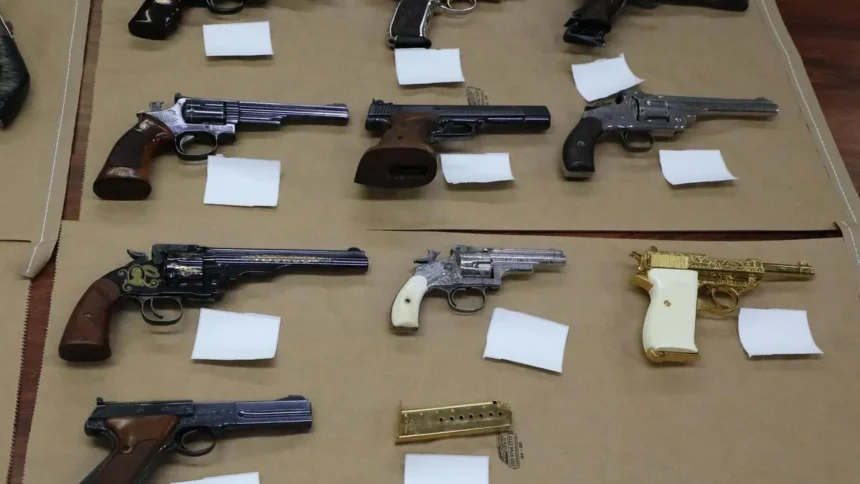
The scheme aims to remove a substantial number of firearms from circulation. Initial estimates suggest that up to 274,000 weapons could be handed in. The buyback offers tiered compensation: $450 for air rifles and up to $1,000 for centre-fire rifles or revolvers. Beginning in early 2027, owners of more valuable firearms, with a market value exceeding $3,000, may be eligible for compensation up to $10,000. Licensed firearm dealers are also supported, with grants of up to $25,000 and a $500 discount on license fees.
State Responses to the Buyback Proposal
The implementation of a national or coordinated buyback has faced varied responses from Australian states and territories:
- Queensland and Victoria: Both governments have declined to participate in the proposed buyback scheme.
- South Australia: Initially supportive, the state has since ruled out changes to its firearm laws in relation to the buyback.
- Northern Territory: The NT government has indicated it will not contribute financially to the buyback program.
- Tasmania and ACT: Negotiations regarding cost-sharing and participation are ongoing with these jurisdictions.
- Western Australia: WA concluded its own two-year firearm buyback program in January of this year.
The differing approaches highlight the complexities in achieving a unified national firearms policy, even in the wake of significant security events.
Context of the Bondi Attack and Royal Commission
The Bondi terror attack in December 2025, in which six legally owned firearms were reportedly used, served as a stark catalyst for the current gun reform discussions. The perpetrator, Sajid Akram, was killed by police during the incident. His son, Naveed Akram, faces numerous charges, including multiple counts of murder, in relation to the attack. The royal commission’s interim report identified the buyback as a recommended measure to enhance public safety and address anti-semitism.
Prime Minister Albanese has linked the buyback directly to preventing similar incidents, stating, “We must do everything we can to make sure the anti-Semitic terrorist attack in Bondi doesn’t happen again.” This sentiment underscores the government’s view that comprehensive gun reform is a necessary component of national security strategy.
Criticism and Opposition to the Buyback
The proposed firearm buyback has drawn significant criticism from some political quarters, particularly from One Nation and the federal Nationals party. Critics argue that the scheme unfairly targets law-abiding firearm owners and fails to address the root causes of violence.
One Nation leader Pauline Hanson described the buyback as “crucifying” legal gun owners while asserting that the focus should be on individuals, not the firearms themselves. She questioned the necessity of the scheme, suggesting that the perpetrators, rather than the weapons, were the primary issue. Hanson also raised concerns about the financial cost to taxpayers and the potential loss of heirloom firearms, which she argued cannot be replaced by monetary compensation.
The federal Nationals have announced plans to introduce legislation to counter the buyback. Leaders Matt Canavan and Bridget McKenzie have labelled the initiative a “kneejerk and unnecessary” reaction that lacked proper consultation. They contend that the existing legal framework was sufficient to prevent the Bondi attack and that the perpetrators should not have had access to firearms under current laws. The Nationals argue that the buyback unfairly penalizes nearly one million farmers, collectors, and pest control volunteers who adhere to regulations. Senator McKenzie pointed to the royal commission’s interim findings, suggesting they did not identify any gaps in pre-existing laws that would have prevented the attack, thereby undermining the justification for the buyback.
Conclusion
The NSW firearm buyback represents a significant, albeit contentious, step in Australia’s ongoing efforts to manage firearm ownership and enhance public safety. While proponents view it as a necessary measure following a high-profile terrorist attack and a recommendation from a royal commission, opponents argue it unfairly burdens responsible citizens and distracts from addressing the underlying issues driving violent crime. The varying responses from other states further complicate the landscape of national firearms policy, leaving NSW to proceed with its substantial buyback initiative in the coming months.