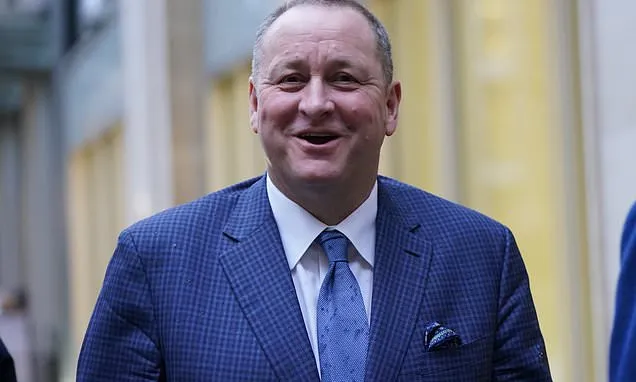
Frasers Group, the retail conglomerate led by Mike Ashley, has significantly increased its shareholding in the German fashion house Hugo Boss, now owning approximately 48% of the company. This move, following a takeover bid that fell short of full acquisition, signals Frasers Group’s intensified strategy to expand its presence within the luxury retail sector. The group’s latest filings indicate that 17.6% of Hugo Boss investors accepted Frasers’ offer of €38 per share, thereby consolidating Frasers’ position as the largest single shareholder.
Frasers Group’s Growing Influence at Hugo Boss
The initial takeover bid, launched in early June with an offer valued at approximately £1.7 billion, aimed to elevate Frasers Group’s stake beyond the 30% threshold. Crossing this threshold under German takeover law would have mandated a formal bid for complete control of Hugo Boss. While the bid did not achieve majority ownership, the increased stake grants Frasers Group substantial influence over the iconic German brand.
Hugo Boss’s management and supervisory boards had previously deemed the offer financially “inadequate” and advised shareholders to decline it. Despite this, Stephan Sturm, Chair of Hugo Boss, acknowledged Frasers Group’s “continued long-term commitment” and expressed anticipation for a “constructive relationship” moving forward. Hugo Boss plans to continue executing its strategic initiatives, initiated in December 2025, focused on achieving sustainable growth and enhancing long-term shareholder value.
Strategic Expansion into Luxury Retail
Frasers Group’s investment in Hugo Boss began in 2020, with its stake gradually building over time, fueling speculation about a potential takeover. The company, listed on the FTSE 250 index, already stocks Hugo Boss products in its own retail outlets, including Flannels and Frasers stores. This strategic expansion into the luxury market has been further bolstered by Frasers Group’s recent acquisition of the luxury department store chain Harvey Nichols.
The acquisition of Harvey Nichols, valued at £40 million, followed a period where the chain faced financial difficulties and the risk of running out of funds without new investment. This move is a key component of Frasers Group’s “elevation strategy,” designed to enhance its footprint in the premium and luxury segments, building upon the success of its Flannels brand. Michael Murray, Frasers Group’s chief executive and Ashley’s son-in-law, has indicated that integrating Harvey Nichols will necessitate “tough choices” but expressed readiness to make them, even if it leads to a temporarily smaller business.
Broader Luxury Market Investments
Frasers Group’s strategic pivot towards luxury is not limited to Hugo Boss and Harvey Nichols. In a recent development, the company also acquired a 4.1% stake in the renowned British fashion house Burberry, underscoring its commitment to increasing its investments in high-end brands. This diversification within the luxury sector reflects a deliberate effort to build a robust portfolio of premium and aspirational labels.
Axel Rudolph, Chief Technical Analyst at IG, commented on the implications of Frasers Group’s increased stake in Hugo Boss. He noted that controlling nearly half of the German fashion group positions Frasers “firmly in the driving seat” for influencing its direction. Rudolph suggested that the continued interest and investment indicate Frasers Group is steadily progressing towards its long-term objectives with Hugo Boss.
Market Reaction and Future Outlook
The market has responded positively to Frasers Group’s strategic maneuvers. Frasers Group shares saw an increase of 1.2%, reaching 804p, contributing to a year-to-date gain of 20%. This performance reflects investor confidence in the company’s “elevation strategy” and its ambitious expansion into the lucrative luxury market.
While Frasers Group did not secure outright control of Hugo Boss with its recent bid, its substantial shareholding and ongoing investments signal a clear intent to play a pivotal role in the brand’s future. The company’s strategy appears focused on leveraging its growing influence to drive value and expand its luxury retail empire, positioning itself as a significant player in the global fashion landscape.
The ongoing integration of Harvey Nichols and the continued strategic investments in brands like Hugo Boss and Burberry are expected to shape Frasers Group’s trajectory in the coming years. The company’s commitment to making necessary adjustments, as highlighted by Michael Murray, suggests a pragmatic approach to achieving sustainable growth and long-term success in the competitive luxury market.