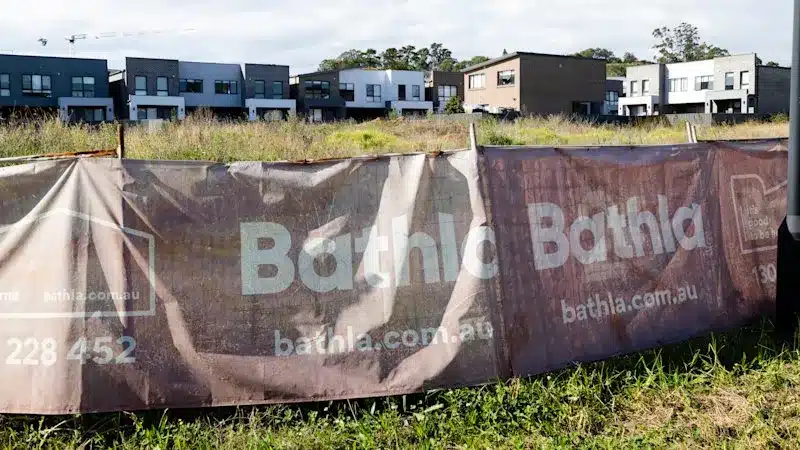
The Bathla Group, a prominent Sydney-based developer, is facing a severe financial crisis, with administrators revealing staggering debts totaling $3.4 billion. The company’s collapse has left a trail of financial obligations, impacting lenders, the tax office, and unsecured creditors. Administrators are actively seeking short-term funding to maintain operations for a few more weeks while exploring options for the company’s future.
Mounting Debts and Financial Strain
Preliminary figures presented at the first creditors meeting on Friday painted a grim picture of Bathla Group’s financial standing. The company owes $3.4 billion across various categories:
- Lenders: $3.08 billion
- Australian Tax Office (ATO): $145 million
- Other Unsecured Creditors: $130 million
- Land Tax: $42 million
Andrew Scott, an administrator from Teneo, stated that the exact debt figures are dynamic and may fluctuate over time. The company, along with its 542 associated entities, entered voluntary administration last week, triggering a race against time to secure necessary funds.
Operational Challenges and Funding Shortfalls
Teneo has been engaged in urgent negotiations with Bathla’s 43 lenders to secure immediate, short-term funding. This liquidity is crucial to cover essential operating expenses, including employee wages. Scott highlighted the critical cash flow issues, noting that the group has had “literally no cash” since the administration began. Without this funding, construction on the company’s numerous projects could halt as early as Monday.
The financial distress has already impacted Bathla’s workforce. Approximately 300 employees and subcontractors have faced significant delays in payment, with some not receiving wages for up to eight weeks prior to the administrators’ appointment. Due to cash flow constraints, 21 employees and subcontractors have been stood down. Teneo has committed to providing staff with a partial payment covering wages earned from the date of administration.
Project Portfolio and Future Uncertainty
Bathla Group has a substantial portfolio of 45 projects underway in New South Wales, collectively slated to deliver around 2500 homes. The company also possesses a significant land bank, with various sites at different stages of development. Rebecca Gill, another administrator from Teneo, indicated that approximately $400 million worth of stock is currently available for sale or under contract. However, she cautioned that no immediate liquidity is expected from these sales in the near future, exacerbating the company’s cash flow problems.
Ongoing Negotiations and Next Steps
Despite the dire financial situation, Teneo reported positive ongoing discussions with five of Bathla’s lenders. These conversations are aimed at finding a path forward, potentially through restructuring or securing new investment. A meeting with staff is scheduled for Monday morning to provide an update on the funding situation and to clarify which construction sites will be able to continue operations.
The collapse of Bathla Group underscores the volatile nature of the property development sector and the significant risks involved. The coming days are critical as administrators work to stabilize the company, protect stakeholder interests, and determine the future of its ongoing projects and the livelihoods of its employees.
Understanding Voluntary Administration
Voluntary administration is a process where an independent administrator is appointed to manage a company that is insolvent or likely to become insolvent. The administrator’s primary goal is to try and rescue the company as a going concern. If this is not possible, they aim to achieve a better outcome for creditors than if the company were immediately wound up. This can involve selling the company’s assets, restructuring its debts, or finding a buyer.
Key Roles in the Process
- Directors: When directors appoint a voluntary administrator, they are essentially handing over control of the company to the administrator.
- Administrator (Teneo): Teneo is responsible for investigating the company’s affairs, reporting to creditors, and making recommendations on the company’s future.
- Creditors: Lenders, suppliers, employees, and government bodies who are owed money by the company. They have a say in the company’s future through meetings and voting on proposals.
The Bathla Group situation highlights the complex challenges faced during voluntary administration, particularly when a company has significant ongoing projects and a large workforce. The success of the administration will depend heavily on the ability to secure crucial funding and negotiate effectively with creditors.
The Impact on the Property Market
The failure of a major developer like Bathla Group can send ripples through the broader property market and construction industry. It can affect:
- Subcontractors and Suppliers: Many smaller businesses rely on payments from developers to stay afloat. Defaults can lead to their own financial difficulties.
- Homebuyers: Purchasers of properties under construction may face delays, uncertainty, or even the risk of losing deposits if projects are not completed.
- Lenders: Financial institutions that have lent money to the developer face significant losses, which can impact their lending capacity.
- Investor Confidence: Large-scale developer failures can erode confidence in the market, potentially slowing down investment and construction activity.
The administrators’ efforts to secure funding and continue projects are vital not only for Bathla Group’s creditors and employees but also for maintaining stability within the New South Wales property development landscape.