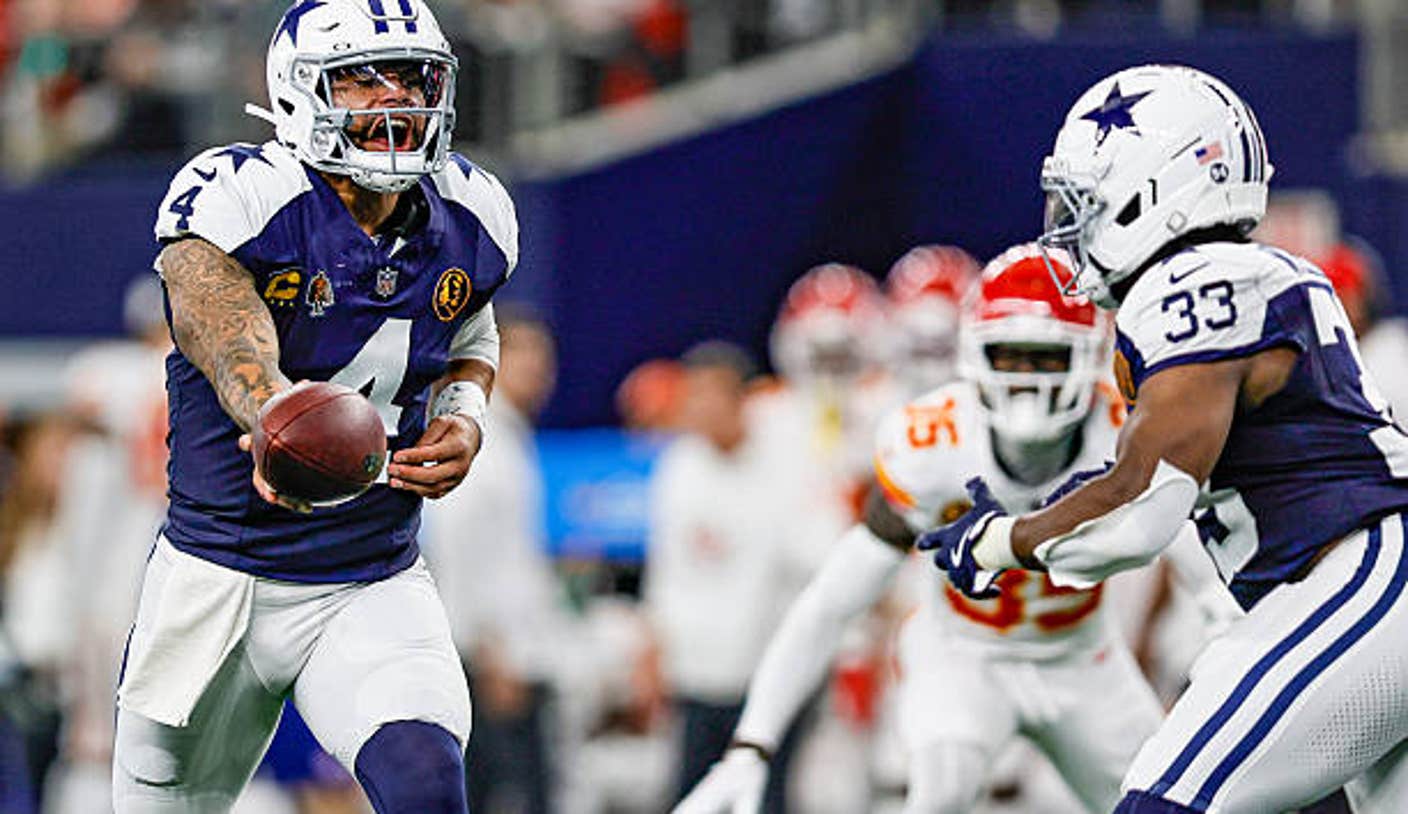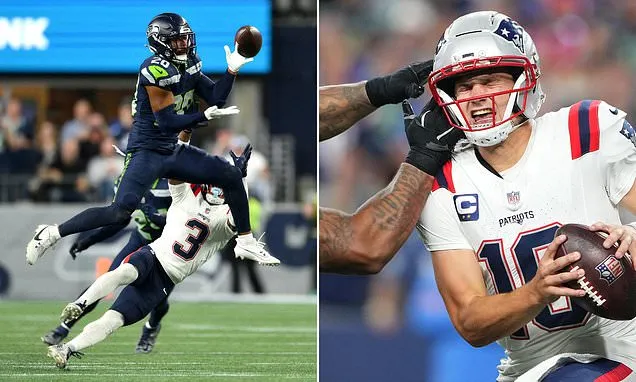
The National Football League’s season opener, a highly anticipated Super Bowl rematch between the New England Patriots and the Seattle Seahawks, drew an average of 25.1 million viewers. While this figure remains exceptionally strong compared to other entertainment properties, it represents a 12 percent decrease from the previous year’s opening game between the Dallas Cowboys and the Philadelphia Eagles. This marks the lowest viewership for a regular-season NFL opener since 2022.
NFL Season Opener Ratings Analysis
Despite the overall decline in viewership, the game saw a significant surge in a key demographic: viewers aged 18 to 49. This younger audience segment registered a five-year high for a season-opening game, signaling continued strong engagement with a crucial consumer group. The NFL’s ability to consistently surpass 25 million viewers for its first game of the season, now for the fourth consecutive year, underscores its dominant position in American entertainment.
Nielsen’s New Measurement Methodology
The recent ratings data emerges at a time of transition for Nielsen, the industry’s primary audience measurement service. Nielsen implemented a new hybrid methodology two weeks prior to the opener. This updated approach integrates data from electronic devices with traditional human-monitored household panels. The NFL, like many in the media industry, is still evaluating the full impact of these methodological changes.
Paul Ballew, the NFL’s head of data and analytics, expressed the league’s ongoing efforts to understand the new system. During a conference call last month, Ballew stated that the league had not yet gathered enough data to fully assess the impact. “We’re still trying to make sense of it,” Ballew commented, adding that the league was examining the logic behind Nielsen’s adjustments. “From our initial impact, it looks like a negative for sports,” he noted, while also acknowledging that the inclusion of “co-viewing or partial co-viewing” could be a positive factor. The league intends to dedicate further time to analyzing these changes.
Industry Concerns Over Measurement Accuracy
Ballew emphasized that accurate audience measurement is paramount for the NFL, as Nielsen ratings serve as the industry standard. “Media measurement matters a lot to us,” he said. “It’s adding into the amount of homework we have to take on going into the season to make sense.” The NFL views Nielsen’s recent changes as a potential misstep, stating, “We do think it’s a misstep on Nielsen’s part to go do this the way they’re doing it.”
The league believes these changes necessitate continuous efforts to improve measurement practices. “It continues to accelerate our pressure point to continue to pursue ongoing measurement improvement because it’s so critically important to us and everybody else in this space,” Ballew concluded. The NFL’s focus remains on ensuring reliable data that accurately reflects viewership across all platforms and demographics.
Looking Ahead for the NFL
While the Patriots-Seahawks opener saw a dip in overall viewership compared to recent years, the strong performance among 18-49 year olds is a positive indicator for the league’s future. The NFL’s consistent ability to draw massive audiences, even with slight year-over-year fluctuations, solidifies its status as a premier media property. The ongoing discussions and potential adjustments to Nielsen’s measurement methodology will be closely watched by the league and advertisers alike as the season progresses. The ultimate goal for all parties involved is to establish a transparent and accurate system for understanding audience engagement in an evolving media landscape.