A prominent Liberal Democrat council leader has voiced significant concerns, suggesting the party is “sleepwalking into irrelevance” and questioning the leadership of Sir Ed Davey. Julian Brazil, who leads Devon County Council, stated that the party is “lacking ambition” and failing to articulate messages that resonate with the public.
Internal Criticism Amidst Party Conference
Brazil’s candid remarks come as the Liberal Democrats convene for their annual conference. When asked about Sir Ed Davey’s suitability as leader, Brazil expressed his reservations, stating, “I wish he was” the right leader, but “all the evidence is no.” These comments emerge shortly after the 2024 general election, where the party achieved a record 72 Members of Parliament. Despite this electoral success, internal voices are raising alarms about the party’s broader strategic direction and its ability to connect with a wider electorate.
Questions of Relevance and Ambition
Echoing some of these sentiments, South Cotswolds MP Roz Savage penned an essay ahead of the conference, posing the question: “Why are we as a party struggling for relevance at precisely the moment when so many people feel powerless?” Savage urged the party to recapture its “insurgent spirit” rather than acting as mere “polite custodians of a system that leaves people feeling powerless.” This call for a more assertive and relatable political stance highlights a perceived disconnect between the party’s actions and the public’s desire for change.
Sir Ed Davey Responds to Criticisms
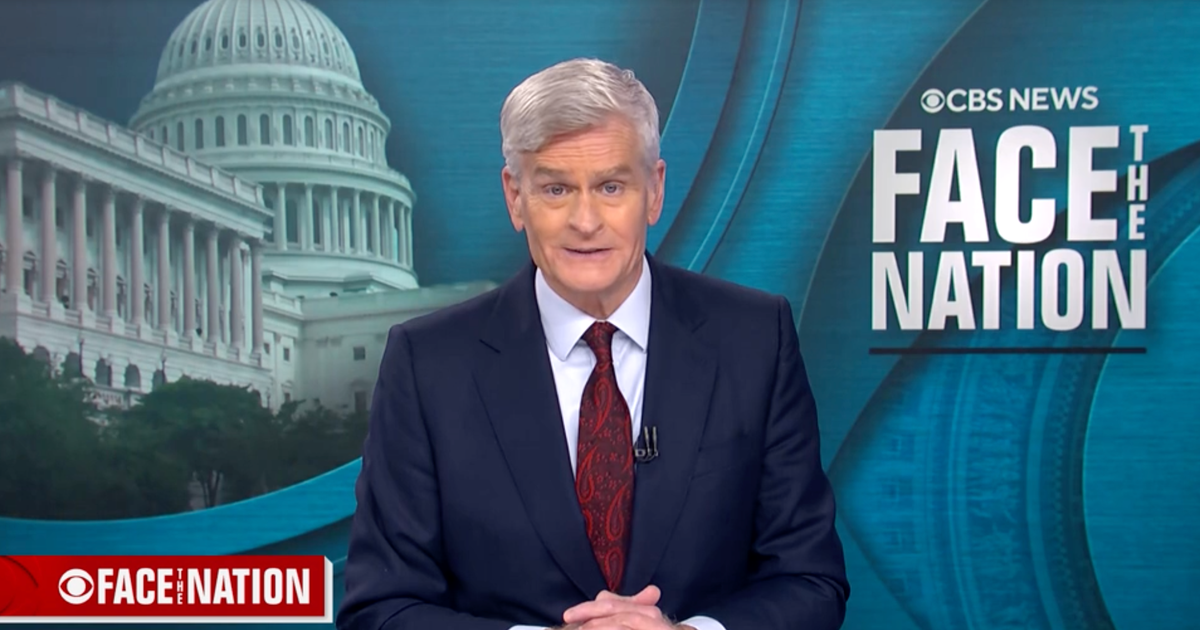
Sir Ed Davey, who assumed leadership in 2020, has acknowledged a sense of “frustration” among some MPs regarding their limited ability to enact “real change.” He attributed these challenges primarily to the structure of the UK’s political system. Speaking on a national broadcast, Davey pointed to the party’s successes in local council elections as evidence of progress, describing it as “the most successful period that we’ve had.” He elaborated that while MPs are keen to change laws, and have achieved more than other smaller parties, they aspire to greater impact.
Local Success vs. National Impact
Brazil, who became leader of Devon County Council in May of the previous year after the Liberal Democrats surpassed the Conservatives to become the largest party, noted a worrying trend since the general election. He believes the party has “allowed other parties to go steaming past us” and that “something has to change within the party if we’re going to move to the next level and it’s not happening at the moment.” Brazil articulated a vision where the party could be “right in the middle of politics,” but feels they are currently “peripheral.” He criticized the party for “lacking ambition, [and] lacking courage of our convictions,” and for not “saying the things that people can relate to.” He suggested the party’s current appeal is based on being a less undesirable alternative rather than offering a compelling positive vision.
Expert Analysis on Party’s National Standing
Pollster Luke Tryl, executive director of More in Common, shared his perspective at a fringe meeting during the conference. He observed that the Liberal Democrats are currently “not cutting through nationally” and require a more persuasive message. Tryl suggested that while the party might gain seats in traditional Conservative strongholds in the next election, potentially positioning Sir Ed Davey for a deputy prime minister role in a Labour-led government, there is a significant risk. He warned that the Conservative party could effectively campaign by framing a vote for the Liberal Democrats as a vote that ultimately enables a Labour government.
The Challenge of Defining a Clear Message
The internal debate underscores a broader challenge for the Liberal Democrats: how to translate local electoral successes and parliamentary representation into a national narrative that captures the public imagination. Critics argue that the party’s messaging has become too cautious or fails to address the core concerns of voters in a way that inspires confidence and support. As the party looks to the future, it faces the task of revitalizing its appeal and demonstrating a clear, ambitious vision that resonates beyond its existing support base and differentiates it from other political forces.
Looking Ahead: Strategy and Public Perception
The discussions at the conference and the critical comments from figures like Julian Brazil highlight the ongoing tension between incremental gains and the desire for significant political influence. The party’s leadership is under pressure to articulate a strategy that not only secures electoral victories but also fundamentally shifts public perception and positions the Liberal Democrats as a major contender for power. The coming months will be crucial in determining whether the party can effectively address these criticisms and forge a path towards greater national relevance.