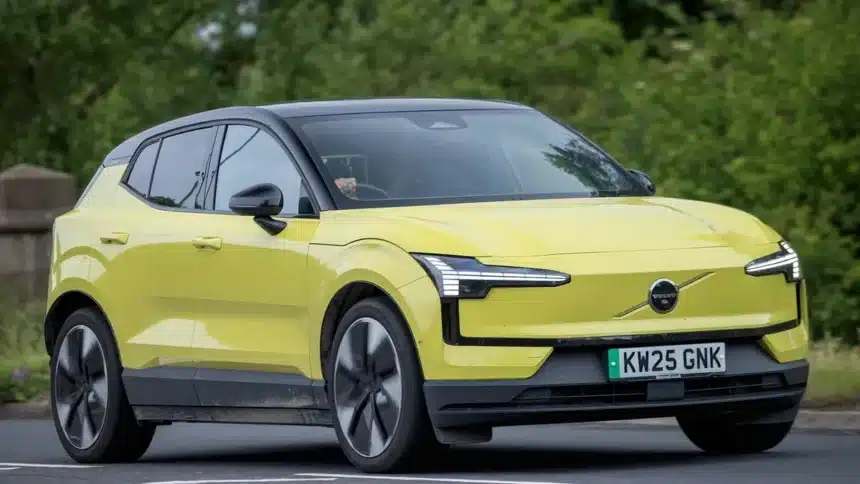
Volvo Car AB is embarking on an aggressive strategy to enhance its profitability and expand its market presence by introducing a new lineup of hybrid and electric vehicles. This initiative is designed to cater to distinct regional demands, a crucial element for achieving economies of scale in the global automotive market. The company has set a target of achieving an 8% operating margin, a goal it aims to reach through the implementation of its new SPA3 platform, increased sourcing of components from China, and greater standardization of parts across its vehicle range.
Volvo’s Strategic Shift Towards Electrification and Efficiency
The Swedish automaker’s plan hinges on several key pillars. The development of the SPA3 (Scalable Product Architecture 3) platform is central to this strategy, providing a flexible foundation for a range of new electric and hybrid models. This architecture is expected to streamline production and reduce development costs, allowing Volvo to bring new vehicles to market more efficiently. Furthermore, the company is increasing its reliance on Chinese suppliers for various parts. This move is likely driven by cost considerations and the robust automotive supply chain within China, a significant market for Volvo.
A critical component of Volvo’s efficiency drive is the increased commonality of parts across its model portfolio. By using more standardized components, Volvo can achieve higher production volumes, negotiate better prices with suppliers, and simplify its manufacturing and maintenance processes. This approach is particularly vital as the company transitions towards a fully electric future, where economies of scale become paramount for competitiveness.
Navigating Market Headwinds and Regional Challenges
Despite these strategic initiatives, Volvo’s recent performance has been impacted by challenging market conditions. The second quarter of the year saw a significant downturn in the Chinese market, which directly affected the company’s financial results. During this period, Volvo’s operating margin fell sharply to 1.1%. While other markets reportedly performed better, the substantial decline in China, a key global automotive hub, presented a significant hurdle.
The broader automotive landscape is characterized by intense competition, a factor that poses a considerable threat to Volvo’s ambitions. Evidence of this competitive pressure can be seen in the widespread promotional activities and price adjustments undertaken by manufacturers globally. As automakers vie for market share, particularly in the rapidly growing EV segment, the pressure on profit margins intensifies. This environment makes it challenging for any manufacturer, including Volvo, to achieve significant scale and maintain healthy profitability with new model introductions.
The Competitive Arena for Electric Vehicles
The push into hybrid and electric vehicles is not unique to Volvo; it is a global trend reshaping the entire industry. Established automakers are investing heavily in electrification, while new players, particularly from China, are rapidly gaining traction. Companies are deploying a variety of strategies, from aggressive pricing to innovative technology, to capture consumer interest. This dynamic market requires constant adaptation and significant investment, and the competition for consumers’ attention and wallets is fiercer than ever.
For Volvo, the success of its new model push is intrinsically linked to its ability to differentiate itself in a crowded marketplace. While the company is leveraging its strengths in safety, design, and its growing EV portfolio, it must contend with rivals who may offer more aggressive pricing or possess advantages in manufacturing scale. The strategy of tailoring models to regional preferences is a sound approach to meet diverse consumer needs, but executing this while maintaining cost efficiency and achieving scale remains a complex balancing act.
Comparative Market Landscape and Future Outlook
The competitive backdrop is further complicated by the strategic positioning of other major automotive players. For instance, Volkswagen, another significant global automaker, is also navigating the transition to electric mobility. Reports suggest that, in the current market environment, Volkswagen might present a more financially attractive option for investors seeking exposure to the automotive sector’s shift towards EVs, given its scale and pricing strategies in certain segments. This comparison underscores the intense rivalry and the diverse approaches companies are taking to succeed in the evolving automotive industry.
Volvo’s path forward requires a delicate equilibrium. It must continue to innovate and invest in its electrification roadmap while simultaneously managing the financial pressures stemming from market volatility and fierce competition. The success of its SPA3 platform, the efficiency gains from increased Chinese sourcing and part commonality, and its ability to resonate with consumers across different regions will be critical determinants of its ability to achieve its target operating margin and secure a stronger position in the global automotive market.
Conclusion: Balancing Ambition with Market Realities
Volvo Car AB’s strategic pivot towards a new generation of hybrid and electric vehicles is a bold move aimed at boosting margins and market share. The company’s reliance on its new SPA3 architecture, enhanced Chinese component sourcing, and greater part standardization are key enablers of this ambitious plan. However, the company faces significant headwinds from a challenging global market, particularly the recent downturn in China, and intense competition from both established rivals and emerging players. Achieving its target of an 8% operating margin will depend not only on the successful execution of its product strategy but also on its agility in navigating the complex and fiercely competitive landscape of the modern automotive industry.