[ad_1]
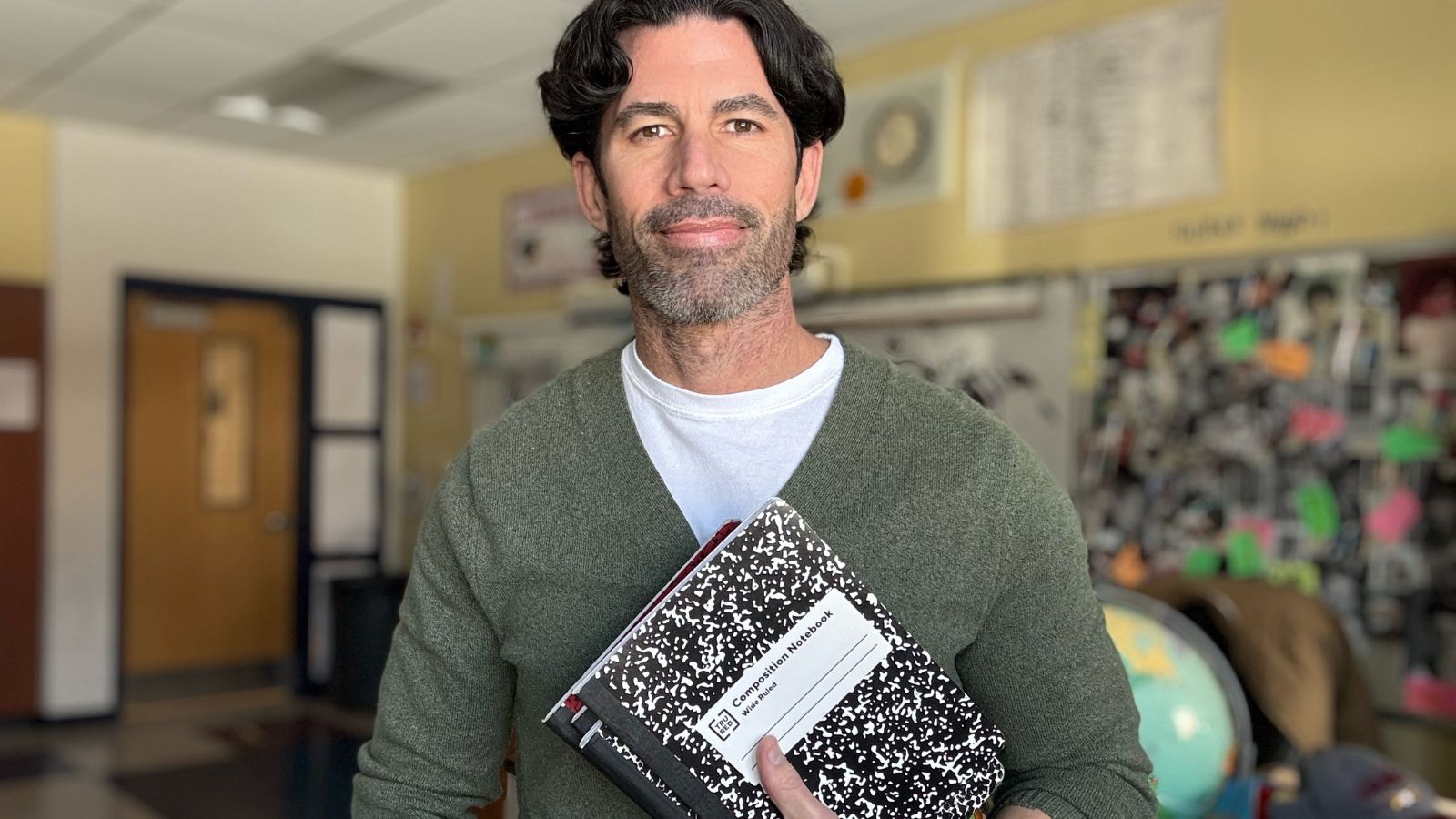
After 23 years within the classroom, Nicholas Ferroni determined to alter course, and thousands and thousands of individuals took discover. In an Instagram video that’s been watched greater than 3 million occasions, the New Jersey highschool trainer—who as soon as labored as an actor—shared why he’s deliberately utilizing much less expertise this 12 months and returning to the educating practices that labored earlier than Google, laptops, and fixed clicking.
Within the video, Ferroni explains his shift towards extra paper, extra eye contact, extra dialog, and extra fingers‑on studying—arguing that sooner and extra environment friendly doesn’t all the time imply higher for creating college students’ crucial pondering, creativity, and connection. We checked in with Ferroni to see how the experiment goes, what “much less tech” actually appears to be like like daily, and what he’s realized to this point. Right here’s our Q&A with him.
By the way in which, you possibly can comply with Nicholas on Instagram right here.
Q: You’re in your twenty third 12 months of educating. What led you to rethink the way you have been educating this 12 months when it got here to expertise?
Final 12 months, I used to be really on the lookout for a change. I simply felt like, I can’t do that anymore.
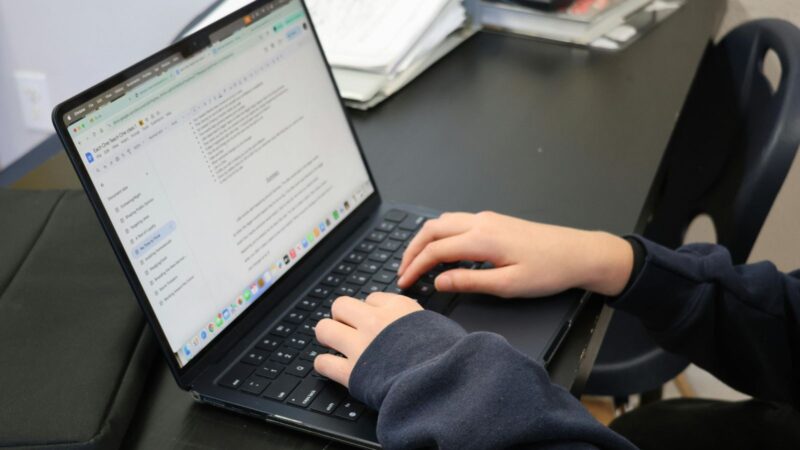
Over the summer season, I mirrored on what was best in my classroom. I really feel like throughout the pandemic, so many academics transitioned to 100% on-line shows and digital instruments—and we needed to. However once we returned to in‑particular person studying, we already had all these tech programs in place, so we caught with them. Chromebooks. Shows. Screens.
And actually, I noticed such a decline in my college students’ lecturers, their crucial pondering abilities, their social abilities, their means to adapt and resolve battle. That’s once I realized I had gone just a little too distant from what made me an efficient trainer early in my profession.
I really felt like I used to be doing my college students a disservice by preserving them on their Chromebooks your entire interval. I really like my job. I really like my college students. However I knew this wasn’t benefiting them.
After I first began educating, I felt like I used to be a way more efficient trainer, and my college students benefited extra from that model and methodology. So I stated, I’ve to return to what labored.
Q: What do you educate now?
I at the moment educate tenth grade Honors U.S. Historical past, eleventh and twelfth grade Humanities, and a course referred to as Historical past By Pop Tradition and Mass Media.
Q: I do know you have been an actor previous to educating. How did that have form the way in which you strategy the classroom?
Sure, earlier than educating, I used to be an actor. I used to be on a cleaning soap. I type of fell into it and thought, I would as nicely pursue this. I noticed fairly rapidly I wasn’t excellent at it however I saved getting employed.
After a couple of 12 months, I noticed it didn’t make me comfortable. I all the time needed to be a historical past trainer, so on the times I wasn’t filming, I began subbing. When a job opened at my previous highschool, I utilized and have become a everlasting sub after which switched to full‑time.
I all the time say each nice trainer might be an incredible actor, however not each nice actor might be an incredible trainer. Educating is efficiency and improv day by day—besides you’re doing six exhibits a day for an viewers that doesn’t essentially wish to be there.
Q: When did issues lastly begin clicking for you as a trainer?
My first 4 or 5 years have been actually powerful. You go in pondering it’s Useless Poets Society—they’re going to hold in your each phrase, and then you definately understand content material is the least vital a part of educating.
Round my fifth 12 months, I hit my stride. That occurred once I stopped lecturing a lot and took extra dangers. I moved towards experiential, exercise‑based mostly studying. That’s when all the things modified.
Q: What does “much less tech” really appear like in your classroom?
I’d be mendacity if I stated there’s no tech in my class. We nonetheless use it for analysis. However a minimum of three or 4 days every week, there’s pen to paper. Hand to paper. Palms‑on work.
Each different Friday, now we have a totally tech‑free day. College students play board video games, learn, write, journal, draw, or coloration. No work. No screens.

Q: What modifications have you ever seen in your college students since shifting this strategy?
My children are extra talkative. Extra engaged. Extra compassionate. They’re utilizing elements of their mind they don’t usually use. Even my seniors—who’re normally checked out—are collaborating. That’s been big.
Q: How do you discuss to college students about cellphone use and expertise with out it turning into an influence wrestle?
I don’t body it as self-discipline. I body it as care. I discuss to them about mind hacking—how firms design expertise to maintain them hooked. I speak about psychological well being. I inform them why we’re limiting telephones and tech. I don’t count on them to throw their telephones on the bottom, however I need them to know what’s occurring to their brains.
Generally it’s nearly displaying them it’s okay to disconnect. We’re going to be nice.
Q: What recommendation would you give academics who wish to do that however really feel overwhelmed?
Begin easy. A journal entry. A query on the board written on an index card. A pocket book that stays within the classroom. I’m shopping for notebooks for all of my college students subsequent 12 months so we will journal repeatedly.
There’s all the time a approach to take one thing from Google Classroom and make it tangible—one thing they will write on, really feel, see, and contact.
Q: Any last message for educators watching all of this play out?
Don’t be afraid to fail. Strive new issues. Our greatest recollections—and our greatest studying—nearly by no means occur in entrance of a display screen. Presence continues to be probably the most highly effective instrument now we have.
Try our video the place Nicholas Ferroni talks about this effort.
For extra articles like this, make sure you subscribe to our newsletters to seek out out after they’re posted!
[ad_2]