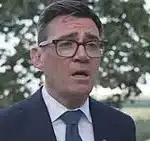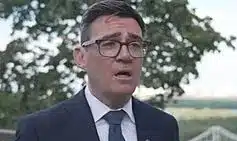
Greater Manchester Mayor Andy Burnham has indicated that tax increases could be on the table in the upcoming autumn budget, a stance that has drawn criticism from opposition parties. When pressed on the possibility of raising taxes, Mr. Burnham stated that he would not be “unrealistic” given the current economic climate, emphasizing the need to support people without jeopardizing jobs or family finances.
Economic Realities and Budgetary Pressures
Speaking during a visit to Ukraine, Mr. Burnham articulated the delicate balance required in fiscal planning. “I won’t take risks with people’s jobs or livelihoods or their family finances and I will try to help them in whatever way I can,” he told ITV News. “I will do what I can, but I won’t be unrealistic and people really need to understand that. We are in a challenging position.” This acknowledgment of the nation’s difficult economic circumstances has been interpreted by some as a precursor to tax rises in the budget, scheduled for October 28.
The Chancellor, John Healey, is reportedly preparing for his first budget, having pledged to adhere to “fiscal discipline, within the fiscal rules.” This commitment suggests a cautious approach to public spending and revenue generation. The upcoming fiscal event is highly anticipated, with many stakeholders looking for clarity on the government’s economic strategy and its impact on households and businesses.
Opposition Voices Concerns Over Potential Tax Increases
Opposition figures have been quick to react to Mr. Burnham’s remarks, warning against what they term a “tax assault on working people.” Robert Jenrick, Treasury spokesman for Reform UK, criticized the potential for tax hikes, suggesting alternative measures that could be implemented instead. “Instead of slashing the ballooning benefits bill, scrapping foreign aid to rich countries or getting rid of mad net zero subsidies, Andy Burnham is going to raise people’s taxes,” Mr. Jenrick stated.
He further elaborated on the potential impact of such policies: “The last thing this country needs is another tax assault on working people as they’re already struggling with the cost of living. Reform UK will be opposing Burnham’s tax rises every step of the way.” This strong opposition highlights a key point of contention: whether tax increases are a necessary measure to ensure fiscal stability or an undue burden on individuals already facing economic hardship.
Previous Pledges and Current Context
Mr. Burnham’s current position appears to diverge from previous commitments. He has previously affirmed his intention to uphold Labour’s 2024 manifesto pledge, which explicitly stated a commitment not to raise taxes for “working people.” This apparent shift in stance has fueled the criticism from opposition parties, who are questioning the consistency of the government’s fiscal policy.
The broader economic context is crucial to understanding the pressures facing policymakers. Inflationary pressures, global economic instability, and the ongoing need to fund public services all contribute to a complex fiscal landscape. The government faces the challenge of balancing the need for responsible financial management with the imperative to support households through the cost of living crisis. Decisions made in the upcoming budget will have significant implications for the country’s economic trajectory and the financial well-being of its citizens.
Navigating Fiscal Challenges
The upcoming budget represents a critical juncture for the government. The Chancellor and his team must devise a plan that addresses immediate economic concerns while laying the groundwork for long-term stability. This involves difficult choices regarding taxation, public spending, and investment. The debate surrounding potential tax rises is emblematic of the wider challenge: how to generate sufficient revenue to meet public expenditure commitments without stifling economic growth or disproportionately affecting vulnerable populations.
As the October 28 budget date approaches, the public and political commentators will be closely watching for definitive statements and policy proposals. The mayor’s comments underscore the ongoing tension between fiscal prudence and the desire to alleviate financial pressures on the populace. The government’s approach will likely be scrutinized for its adherence to fiscal rules, its impact on different income groups, and its overall contribution to economic recovery and stability.
Conclusion: Awaiting Budgetary Clarity
Andy Burnham’s recent remarks have ignited a debate about the future of taxation under the current government. While acknowledging the challenging economic environment, his refusal to rule out tax increases has prompted strong reactions from political opponents who advocate for alternative cost-saving measures. The upcoming budget, under Chancellor John Healey, is expected to provide much-needed clarity on the government’s fiscal strategy. The decisions made will be pivotal in shaping the nation’s economic path and addressing the concerns of working people navigating the complexities of the current cost of living landscape.