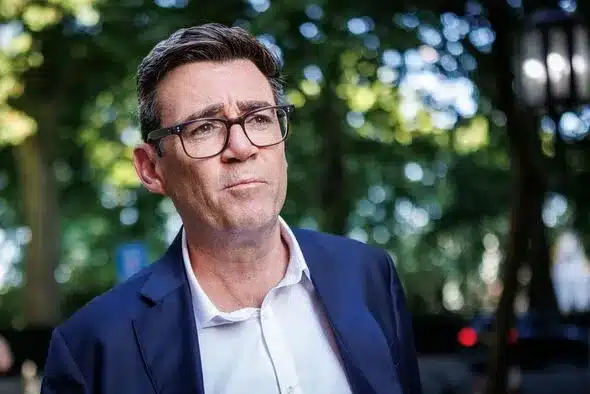
Andy Burnham, a prominent figure in the Labour party and former Mayor of Greater Manchester, has indicated that tax increases may be necessary to finance future government initiatives. This potential policy shift was disclosed during a recent media engagement, sparking considerable discussion about the economic direction under his leadership.
Potential Tax Implications
Burnham, who has been largely out of the public eye since securing the parliamentary seat for Makerfield, addressed questions regarding his economic strategy. While specific details remain undisclosed, the suggestion of raising taxes has drawn immediate reactions from political opponents. Shadow Chancellor Sir Mel Stride voiced concerns, stating that the country should anticipate significant fiscal changes if Labour were to implement such policies. This statement highlights the ongoing debate surrounding taxation levels and their impact on public services and the broader economy.
Economic Context and Speculation
The current economic climate presents a complex backdrop for any discussion of tax policy. Inflationary pressures, global economic uncertainties, and the ongoing need for investment in public infrastructure and services all contribute to the challenging fiscal landscape. Burnham’s remarks come at a time when the government is grappling with balancing the budget while also addressing public demand for improved services in areas such as healthcare, education, and transportation. The prospect of tax increases, even if intended to fund vital public programs, inevitably raises questions about the potential burden on households and businesses, and the overall effect on economic growth.
The Role of Taxation in Public Finance
Taxation forms the bedrock of public finance, providing the essential revenue required for governments to operate and deliver services. Various forms of taxation, including income tax, corporation tax, value-added tax (VAT), and property taxes, contribute to the national treasury. Decisions about tax rates and structures are often at the heart of political debate, reflecting differing ideologies on wealth distribution, economic intervention, and the role of the state. Proponents of tax increases often argue that they are necessary to fund essential public services, reduce national debt, or address social inequalities. Conversely, opponents typically contend that higher taxes can stifle economic activity, discourage investment, and place an undue burden on taxpayers.
Potential Funding Priorities
While Burnham has not detailed which specific areas would benefit from increased funding, common areas of public expenditure that often require significant investment include:
- Healthcare: Addressing waiting lists, improving facilities, and enhancing staffing levels within the National Health Service (NHS).
- Education: Investing in schools, supporting teachers, and ensuring access to quality education from early years through to higher education.
- Infrastructure: Upgrading transportation networks, digital infrastructure, and energy systems to support economic development and sustainability.
- Social Welfare: Supporting vulnerable populations, addressing poverty, and ensuring adequate provision for pensions and benefits.
The specific allocation of any potential new revenue would be a critical factor in assessing the overall impact of such tax policies.
Political Reactions and Opposition Concerns
The suggestion of tax increases has predictably drawn sharp criticism from political adversaries. Sir Mel Stride’s comment, referring to a “tax bombshell,” reflects a common tactic used by opposition parties to frame potential tax hikes as detrimental to the public. This framing often emphasizes the immediate financial impact on individuals and businesses, potentially overshadowing the intended benefits of increased public spending. The debate is likely to intensify as further details emerge, with each political side seeking to present its economic vision as the most beneficial for the nation’s future prosperity.
Balancing Fiscal Responsibility and Public Demand
The challenge for any political leader, including Andy Burnham, is to navigate the delicate balance between fiscal responsibility and meeting the public’s expectations for services. Raising taxes can be politically unpopular, yet underfunding essential services can lead to public dissatisfaction and long-term economic consequences. Conversely, cutting taxes might stimulate economic activity in the short term but could lead to deficits and reduced capacity to fund public goods. Political discourse often revolves around finding the optimal equilibrium, with different parties proposing distinct approaches to taxation and spending.
Conclusion
Andy Burnham’s acknowledgment of potential tax increases signals a significant point in the ongoing political and economic discourse. The precise nature and scope of these proposed fiscal measures will be crucial in determining their impact on individuals, businesses, and the broader economy. As the political landscape evolves, the debate over taxation, public spending, and economic strategy is set to remain a central theme, with significant implications for the nation’s future.